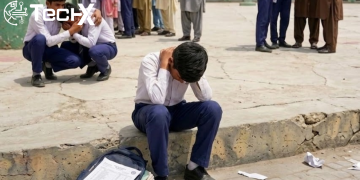


The much-awaited Medical and Dental College Admission Test (MDCAT) 2024 retake in Sindh is scheduled for December 8, 2024. The Institute of Business Administration (IBA) Sukkur will oversee the retake, ensuring that all arrangements are meticulously prepared. To maintain fairness and transparency, strict security protocols will be followed to prevent any cheating or malpractice at the test centers. The decision to hold this retake follows a legal ruling by the Sindh High Court (SHC).
Reasons for the MDCAT Retake in Sindh
The original MDCAT, which was held earlier in October 2024, was annulled by the Sindh High Court on October 26. The reason for this annulment was the discovery of irregularities, including the leakage of the exam paper just 13 hours before the scheduled test. The court’s ruling highlighted these issues and directed the provincial government to organize a fresh exam within a month. As a result, the MDCAT retake is set to follow the guidelines of the Pakistan Medical and Dental Council (PMDC).
Adherence to PMDC Guidelines
The Sindh government, in collaboration with educational authorities, has ensured that the retake of the MDCAT 2024 aligns with the Pakistan Medical and Dental Council’s (PMDC) regulations. The PMDC’s guidelines are pivotal to maintaining the integrity of the admission process for medical and dental colleges across Pakistan. These guidelines include strict examination protocols, ensuring that candidates are fairly assessed for their eligibility. The retake aims to restore confidence in the process after the earlier issues that plagued the original exam.
Also Read: Hec Introduces New Admission Test for Undergrads from July
Test Centers and Locations for the MDCAT Retake
To accommodate the 38,609 candidates enrolled for the MDCAT retake, the Sindh government has planned for multiple test centers across the province. Three test centers will be established in Karachi, with additional centers in other major cities such as Hyderabad, Mirpurkhas, Nawabshah, Sukkur, and Larkana. These centers are strategically located to ensure that candidates from various parts of Sindh can participate without undue hardship. The aim is to streamline the process and avoid overcrowding, ensuring a smooth examination experience.
Identification and Admit Card Requirements
Candidates appearing for the MDCAT 2024 retake must ensure they have their admit cards along with valid identification documents. Accepted identification documents include a passport, Computerized National Identity Card (CNIC), domicile, or a marks sheet with a photograph. These measures are in place to prevent impersonation and ensure that only eligible candidates are allowed to sit for the exam. The importance of these requirements emphasizes the commitment to a secure and transparent testing environment for all candidates.
Financial Support for the MDCAT Retake
The Sindh government has allocated a significant budget of Rs. 232.140 million for the MDCAT 2024 retake, which translates to approximately Rs. 6,000 per candidate. This allocation is intended to cover various costs associated with organizing the exam, including setting up test centers, providing security, and managing logistics. The funding also aims to ensure that the examination process is conducted efficiently, with the necessary resources in place to handle the large number of candidates.
Previous MDCAT Results and Success Rate
The original MDCAT exam, conducted by Dow University, saw a success rate of 58.79%, with 22,366 candidates passing the test. However, due to the irregularities that led to the paper leak, the success rate and results of the initial exam have been called into question. The retake will provide a fresh opportunity for candidates to prove their eligibility based on their knowledge and abilities. The focus will be on ensuring a fair and transparent examination process this time.
Involvement of Educational Authorities in the Retake
The decision to hold the MDCAT 2024 retake has received the endorsement of various educational bodies, including Dow University, the PMDC, and the Sindh government. Representatives from these organizations have worked closely to ensure that the exam is conducted in a manner that upholds the integrity of the admission process. Their involvement underscores the commitment to a fair examination and transparent results. This collaboration is aimed at restoring faith in the MDCAT process following the controversies surrounding the initial exam.
Preparation and Security Measures for the Retake
In response to the issues that marred the original MDCAT, the IBA Sukkur has put in place stringent security and monitoring measures for the retake. These measures will include the use of modern technology to monitor candidates and prevent any form of cheating or unfair practices. The test centers will be equipped with surveillance equipment to ensure compliance with exam regulations. Additionally, personnel will be stationed at various points to maintain discipline and order throughout the examination process.
The Future of MDCAT and Medical Admissions in Sindh
The MDCAT retake is a critical step in ensuring that students aspiring to enter medical and dental colleges in Sindh have an opportunity to demonstrate their qualifications. Following the retake, candidates will be able to proceed with their medical admissions based on their performance in the exam. It is expected that the results will be closely scrutinized, with educational authorities ensuring that the process remains transparent and that only deserving candidates are selected for admission to these prestigious institutions.
Conclusion
MDCAT 2024 retake in Sindh is a crucial opportunity to restore confidence in the medical and dental college admission process. Following the annulment of the original exam due to irregularities, the retake aims to provide a fair and transparent assessment for all candidates. With the Institute of Business Administration (IBA) Sukkur overseeing the exam, strict security measures, and extensive preparations, the retake is set to be a well-organized event. This will ensure that only qualified candidates move forward in their pursuit of a medical or dental career.