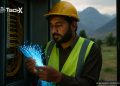


Telenor Pakistan is pioneering a new era in the telecom industry with the launch of Pakistan’s first Low-Carbon Energy Storage as a Service (ESaaS) project. This groundbreaking initiative aims to address the environmental challenges associated with traditional energy sources in the telecom sector and aligns with global sustainability goals.
The Role of Renewable Energy in Telecom
The reliance on non-renewable energy sources has long been a concern in the telecom industry, given its substantial energy requirements. Telenor’s shift towards an ESaaS model signifies a crucial move towards integrating renewable energy technologies to mitigate environmental impact. This project leverages large-scale battery storage systems, aiming to significantly reduce reliance on diesel generators, which are known for their high carbon emissions.
Enhancing Energy Efficiency
Energy efficiency is at the heart of Telenor’s new initiative. By implementing advanced battery storage solutions, the project aims to enhance the management of energy use, particularly during peak demand times. This not only helps in reducing energy consumption but also plays a vital role in lowering operational costs and enhancing the network’s reliability and performance.
Green Energy Telecom: A Model for the Future
Telenor Pakistan’s project is not just a step forward for the company but serves as a blueprint for the entire telecom sector. It illustrates how technological innovation can be harmoniously blended with environmental stewardship to create sustainable business practices that other companies can emulate.

Impact on Corporate Social Responsibility
The ESaaS project reflects Telenor Pakistan’s commitment to corporate social responsibility. By reducing the carbon footprint and enhancing energy efficiency, Telenor is not just complying with global environmental standards but is also setting new benchmarks for social responsibility in business operations.
Community and Economic Benefits
Beyond environmental impact, the project is expected to have significant community and economic benefits. By reducing the operation of diesel generators, the initiative will lead to lower air pollution, contributing to better public health. Economically, the reduction in energy costs will enable Telenor to invest in further innovations and community projects, fostering a cycle of positive change.
Conclusion: The Path Forward
Telenor Pakistan’s embrace of low-carbon energy storage solutions is a transformative moment for the telecom sector. This initiative not only supports sustainable development but also propels the industry towards a greener and more economically viable future. As Telenor leads the way, it paves the path for other companies to follow, potentially transforming the telecom landscape globally.