

The JazzWorld UNICEF digital inclusion partnership, announced on 20 October 2026, is one of the most direct attempts yet by a Pakistani telecom operator to address the country’s enormous internet usage gap. JazzWorld, the parent group behind Jazz and JazzCash, has signed a Letter of Intent (LoI) with UNICEF to explore programmes that expand digital access, protect young people online, and lay the groundwork for fair participation in an AI-powered economy.
What the JazzWorld UNICEF Digital Inclusion Partnership Covers
JazzWorld has signed a Letter of Intent with UNICEF to explore initiatives that advance digital inclusion, empower young people, promote online safety and strengthen technology-enabled humanitarian response across Pakistan.
JazzWorld and UNICEF will explore opportunities for collaboration in four priority areas: digital inclusion and youth empowerment, online safety and digital well-being, humanitarian response and disaster preparedness, and advocacy and public engagement.
This is a framework agreement, not a finished project list. The two organisations will now identify which specific initiatives to fund and launch. But the four pillars give a clear picture of the direction.
Digital Education and AI Readiness
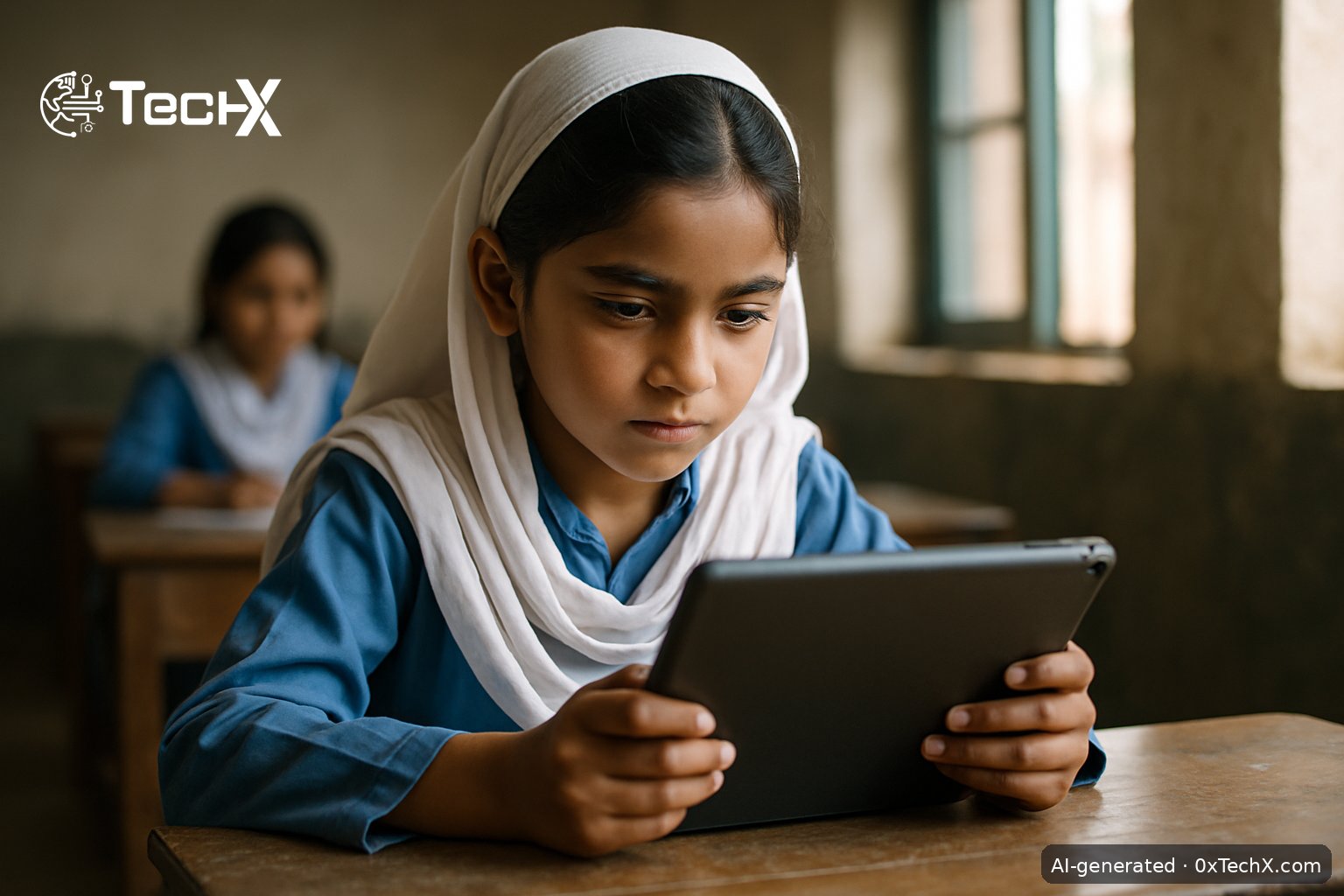
Under the digital inclusion agenda, the organisations will explore opportunities to expand access to digital education, literacy and skills development, particularly for young people from underserved communities, capabilities that are also foundational to helping young people understand, use and benefit from AI safely and responsibly.
As AI reshapes learning, work and access to services, expanding digital access and capabilities will be essential to ensuring these communities can participate in and benefit from an increasingly AI-enabled world. In simple terms: if a child never learns to use the internet, they will have no chance of benefiting from AI tools that are already entering schools and workplaces.
Strengthening the Digital Youth Hub
The collaboration will explore ways to strengthen Pakistan’s Digital Youth Hub, established by the Prime Minister’s Youth Program in partnership with UNICEF, by drawing on JazzWorld’s technical capabilities to support learning, employability and participation in the digital economy. The Digital Youth Hub is a government-backed platform designed as a one-stop space for students, graduates and job-seekers to find training and opportunities across Pakistan.
Why Pakistan’s Digital Divide Makes This Partnership Urgent
The scale of the problem is striking. Pakistan is facing one of the world’s largest mobile internet usage gaps, with around 140 million people living in areas covered by mobile broadband networks but not using mobile internet, according to the GSMA’s State of Mobile Internet Connectivity 2026 report.
Coverage is not the main issue. Pakistan’s digital challenge is no longer limited to expanding network coverage, but also involves making internet access affordable, useful and accessible. Literacy and digital skills, affordability and relevance are among the key barriers to mobile internet adoption in Pakistan.
The gap is also geographical. Only 50% of adults in rural Pakistan use mobile internet, compared with 65% in urban areas, according to the GSMA’s State of Mobile Internet Connectivity 2026 report. And within those rural areas, ownership of internet-enabled phones remains significantly lower, with only 46% of rural adults owning an internet-enabled handset, compared with 62% in urban areas.
For women specifically, there has been real progress but gaps remain. Women’s mobile internet adoption in Pakistan has increased from just 8% in 2017 to 53% in 2025, reflecting a remarkable transformation in digital access. Yet many women continue to face constraints: approximately 28% of women mobile internet users access the internet through someone else’s device, highlighting the need for greater access to affordable smartphones and digital tools.
This is exactly the gap that the JazzWorld UNICEF digital inclusion agreement is designed to help close, not by building more towers, but by building skills, safety and trust among the people who already live under existing mobile networks but have not yet come online.
JazzWorld’s Broader Push on Digital Safety and Social Impact
The UNICEF agreement fits a clear pattern in how JazzWorld has been operating in 2026. The company has built up a string of social-impact partnerships this year. Earlier, JazzWorld partnered with Google as part of Digital Pasban, a national online safety initiative that seeks to reach 200,000 households nationwide through localised Urdu-language safety resources, instructional videos, parental toolkits, school-based safety clinics and community outreach.
The company has also been building internal AI capacity. The JazzWorld AI Associate Program 2026 is a group-wide, AI-native, one-year talent development initiative designed to build future leaders and specialists across the JazzWorld ecosystem, including Jazz, JazzCash, Mobilink Bank, Garaj, Tamasha and more. For more on JazzCash’s recent international recognition, see JazzCash’s global InsurTech Silver win at Money20/20 USA.
At Mobile World Congress 2026, JazzWorld CEO Aamir Ibrahim framed the company’s position clearly. “In markets like Pakistan, the question is not how advanced AI models are. It is whether they reach the millions who remain outside the formal financial system.” The UNICEF deal is a practical step toward answering that question on the education and skills side of inclusion.
Pakistan’s broader digital numbers are also improving. The country’s ICT Development Index score rose from 56.4 in 2025 to 67.7 in 2026, a 20% year-on-year increase. But Pakistan still remains slightly below the lower-middle-income average of 68.9, well below the Asia-Pacific average and behind the global average. Partnerships like the one between JazzWorld and UNICEF are part of the push to close that remaining gap. If you want context on how Pakistan’s 5G rollout complements these digital access efforts, read about Pakistan’s 5G expansion across 24 cities.
What Comes Next
A Letter of Intent is a starting point. The two organisations will now move into detailed planning to decide which specific programmes to fund, where to pilot them and how to measure results. The four focus areas, education and youth empowerment, online safety, humanitarian response and public advocacy, are broad enough to allow many different project types.
The humanitarian angle is worth watching closely. Pakistan faces recurring floods and climate emergencies that disrupt access to education and basic services. Technology-enabled disaster response is one area where a telecom operator’s connectivity assets and UNICEF’s ground presence could combine in ways no single organisation could manage alone.
For ordinary Pakistani families, the most immediate benefit may come from the digital inclusion and online safety workstreams. Parents want their children to learn digital skills, but also to be protected online. That combination, access plus safety, is what makes the JazzWorld and UNICEF partnership different from a typical connectivity drive. And as AI tools become part of daily life, making sure young Pakistanis can engage with them safely and critically is no longer optional, it is a foundation skill, just like reading.
Frequently Asked Questions
What did JazzWorld and UNICEF sign?
They signed a Letter of Intent (LoI) on 20 October 2026. This is a formal agreement to explore and develop joint programmes focused on digital inclusion, online safety, youth empowerment and humanitarian response in Pakistan.
What is the JazzWorld UNICEF digital inclusion partnership trying to fix?
Pakistan has around 140 million people who live in areas with mobile broadband coverage but do not use the internet. The main barriers are cost, low digital skills and lack of relevant content, not a lack of network towers. The partnership targets these barriers through education, training and safety programmes.
What is Pakistan’s Digital Youth Hub?
It is a platform set up by the Prime Minister’s Youth Program in partnership with UNICEF. It connects young Pakistanis, students, graduates and job-seekers, with training, employment opportunities and digital resources across the country. JazzWorld will now look at how it can support and grow this platform using its technical capabilities.
Is this a final project or just a plan?
It is a framework for now. A Letter of Intent means both parties have agreed on the broad areas they want to work on. The specific projects, budgets and timelines will be worked out in the next stage of planning. Announcements on individual programmes should follow in the months ahead.