
The imported car transfer ban in Pakistan is moving from policy on paper to enforcement on the ground. On November 14, 2026, the Ministry of Commerce formally wrote to provincial chief secretaries, directing them to stop any ownership transfer of vehicles imported under the Gift Scheme and Transfer of Residence Scheme before the one-year lock period is up. The move signals that the federal government is no longer content to leave compliance to chance.
What the Ministry Has Directed
In letters to provincial chief secretaries, the ministry directed that vehicles imported under the Gift Scheme and Transfer of Residence Scheme must be registered only in the names of designated beneficiaries and cannot be transferred to another person during the first year.
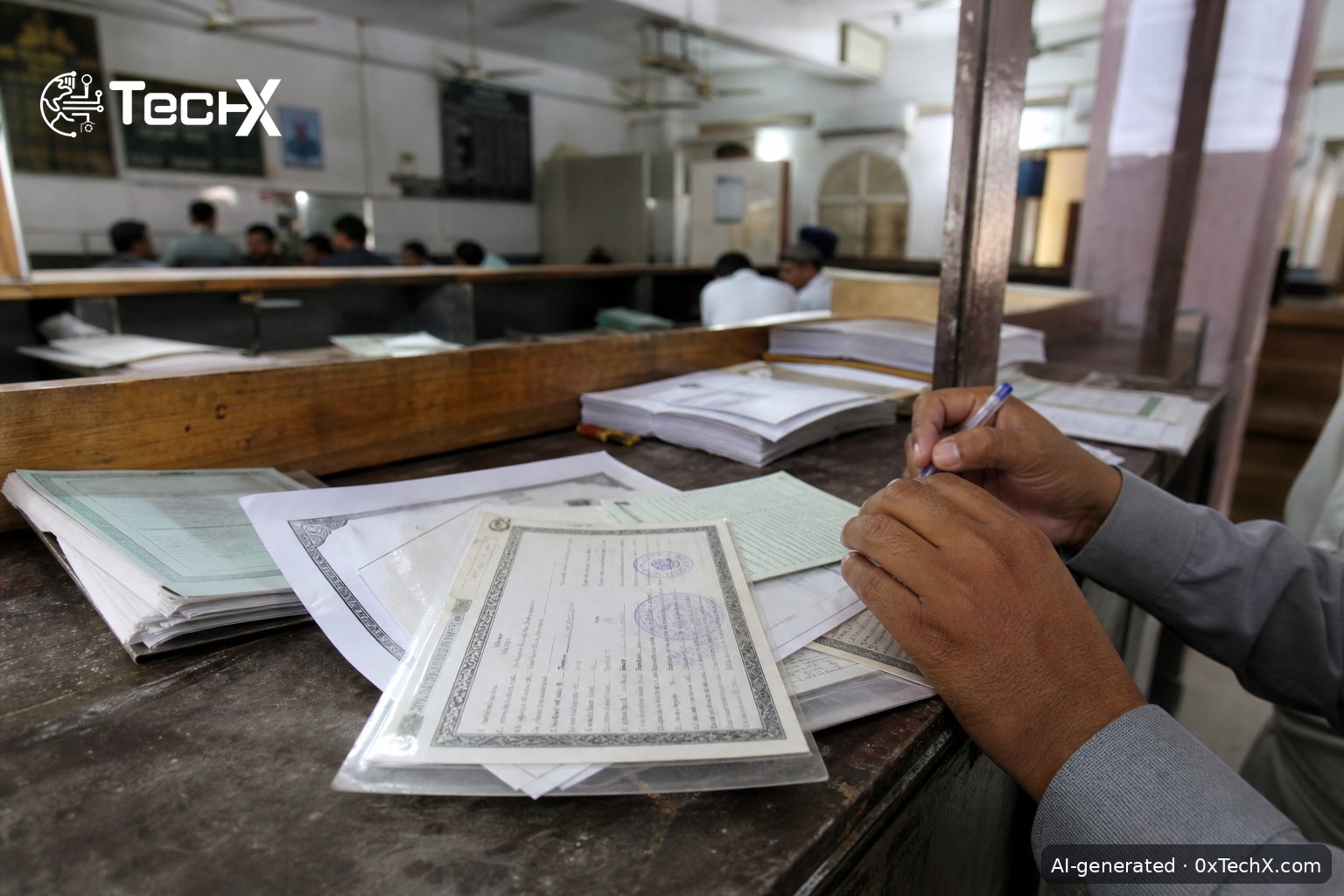
The ministry said effective implementation required uniform enforcement at the registration stage by provincial Excise, Taxation and Narcotics Control Departments.
A key part of the directive is a request for tight coordination between federal and provincial bodies. The ministry highlighted the need for coordination between federal and provincial authorities, noting that while vehicle imports fall under federal jurisdiction, registration and related administrative functions are handled by provincial departments. This federal-provincial gap is exactly what traders had been exploiting: a car could enter through Customs under federal rules, but ownership records sit with each province’s excise office, which was not always enforcing the ban.
Following a committee recommendation, the ministry specifically requested the Balochistan government to direct its relevant departments to prevent registration or transfer of such vehicles to anyone other than the designated beneficiary during the restricted period.
Background: The Imported Car Transfer Ban Under SRO 61(I)/2026
On January 15, 2026, the federal government issued SRO 61(I)/2026, which amended personal vehicle import schemes. One major change was a one-year ban on transferring ownership of vehicles imported through these schemes. That notification also abolished the long-popular Personal Baggage Scheme, leaving only two routes for personal imports by overseas Pakistanis.
The waiting period between successive imports by the same person was extended from 700 days to 850 days, vehicles must now come from the importer’s actual country of residence, and a one-year resale ban now applies.
So why is enforcement only being pushed now, nearly ten months later? The answer lies in how Pakistan’s system works. Inconsistent enforcement by provincial Excise, Taxation and Narcotics Control Departments was allowing traders to circumvent the restrictions introduced under the federal import policy. The National Assembly Standing Committee on Commerce took note. The issue was discussed by the National Assembly Standing Committee on Commerce on September 3, 2026, which recommended coordination with provincial governments to ensure uniform implementation of SRO 61(1)/2026.
How the System Is Now Blocking Early Transfers
At the technical level, the enforcement mechanism is already built into Pakistan’s vehicle-registration systems in some provinces. Under current enforcement protocols, the Pakistan Customs WeBOC electronic portal transmits vehicle data directly to provincial Excise and Taxation Departments with a mandatory sale block. The provincial excise system automatically refuses any ownership change, title transfer, or open letter assignment for exactly 365 days from customs clearance.
Punjab moved early. People buying imported cars in Punjab now have to wait for one full year before the vehicle can be transferred into their name under a policy introduced by the provincial Excise Department. If the one-year period has not been completed, the system will not allow the ownership transfer to go through.
The November 14 directive extends that pressure to Balochistan and other provinces that had not yet moved to close the gap.
What This Means for Buyers and Dealers
For anyone shopping for an imported Japanese or Gulf-spec car in Pakistan, the enforcement push changes one practical question: not just whether the car is available, but when it was imported. People looking to buy an imported car will need to pay closer attention to when the vehicle was imported and registered, and whether the one-year waiting period has already been completed.
For dealers who relied on a steady flow of cars sourced from overseas Pakistani families, the pipeline tightens. Stricter enforcement could affect dealers who rely on vehicles imported through individual overseas Pakistanis’ entitlements. Those cars simply cannot be flipped anymore within a year of arriving at port.
The used-car market also faces a supply squeeze from another angle. The government is encouraging imports through the commercial used-vehicle import route, which sits outside the Gift and TR transfer restriction. Commercial imports carry their own duties, however, so they tend to push prices higher.
There is also a revenue angle that existing coverage has largely overlooked. The policy could have consequences for provincial government revenue. Officials have warned that restricting immediate transfers of imported vehicles could lead to a significant reduction in revenue for Excise Departments, as fewer ownership-transfer transactions may take place during the restricted period. The decision could have a noticeable impact on Punjab’s used and imported-car market. Officials say imported vehicles make up around 20% of total vehicle registrations in the province on average.
For overseas Pakistanis considering sending a car home as a gift, the rule is straightforward but important. If you are an overseas Pakistani in Dubai, Saudi Arabia, the UK, or anywhere else, you can still bring a car home, but only under the Gift or Transfer of Residence scheme, the car must be from your country of residence, and you cannot sell it for a full year after arrival. You can read more about how Pakistan’s fuel and import-related costs are shifting in our coverage of petrol and diesel prices in Pakistan for November 14, 2026.
The government’s stated reason for all of this is consistent. The aim is to stop commercial dealers from misusing personal import schemes and to ensure imported vehicles meet proper safety standards. Whether tighter provincial enforcement finally closes the loophole depends on how quickly excise offices in Balochistan and other lagging provinces update their own systems to match what Customs is already transmitting to them.
Frequently Asked Questions
What is the imported car transfer ban in Pakistan?
The imported car transfer ban stops anyone who brings a vehicle into Pakistan under the Gift Scheme or Transfer of Residence Scheme from selling or transferring ownership of that vehicle to another person for one full year from the date of importation. It was introduced under Ministry of Commerce notification SRO 61(I)/2026, issued on January 15, 2026.
Why did the Ministry of Commerce send letters to provincial governments in November 2026?
The ministry found that some provinces were not consistently blocking early transfers at the registration stage. Because vehicle registration is a provincial function, the federal government had to formally direct each province’s chief secretary to plug the gap and enforce the one-year rule at their own excise offices.
Can I still buy an imported car if the one-year period has not passed?
Not through a legal transfer of ownership. If the car was imported under the Gift or Transfer of Residence Scheme and the 365-day lock has not expired, the provincial excise system will block the transfer. You would need to wait until the lock period ends, or look for a car that has already passed its one-year mark or was imported through the commercial route.
Does this rule affect all imported cars, or only specific schemes?
The one-year transfer ban applies specifically to cars imported under the Gift Scheme and Transfer of Residence Scheme. Vehicles imported through the commercial used-car route are not subject to the same one-year personal lock, though they come with different duty structures and costs. The Personal Baggage Scheme, which had no resale restriction, was abolished entirely under SRO 61(I)/2026.