

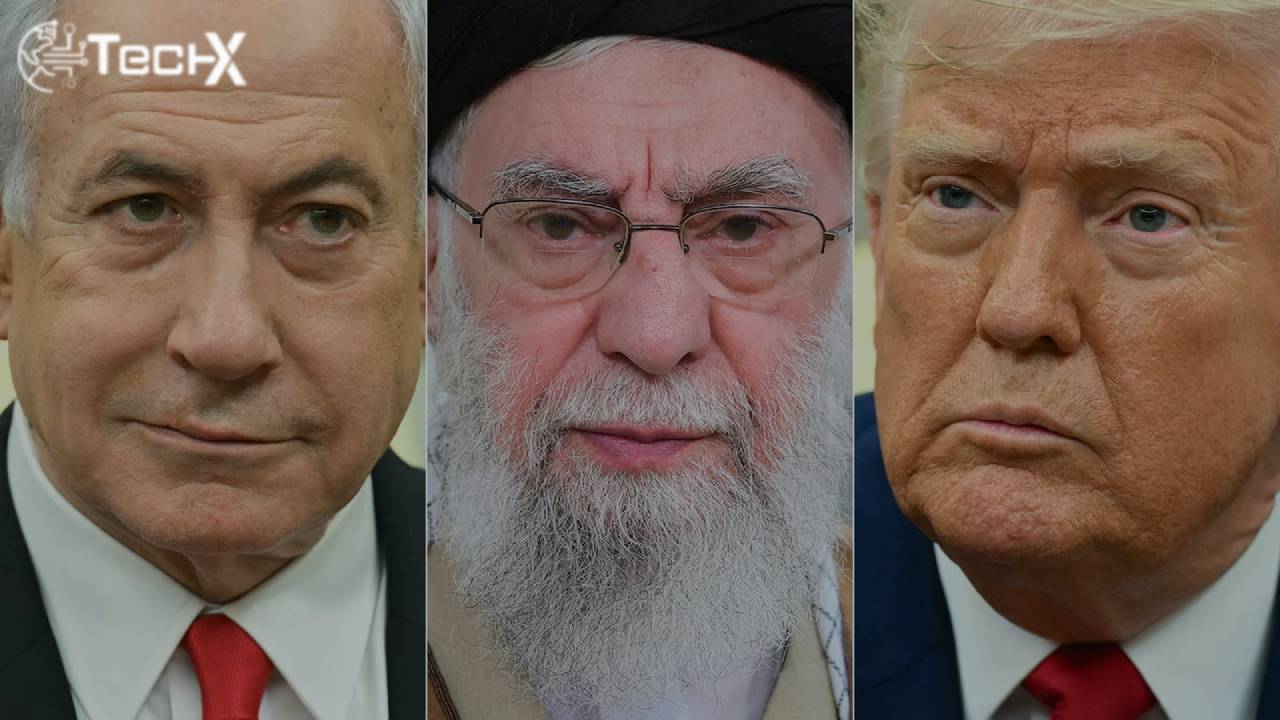
President Donald Trump declared a ceasefire between Israel and Iran on Monday, potentially ending nearly two weeks of intense conflict. In a Truth Social post, Trump outlined a 24-hour truce, split into two 12-hour periods. Iran would halt attacks first, followed by Israel. If successful, the war would officially conclude after a full day of de-escalation, marking the end of what Trump called “THE 12 DAY WAR.”
Terms of the Truce
The ceasefire would begin at 12 a.m. EDT, contingent on both nations completing ongoing military operations. Trump emphasized cooperation, praising Israel and Iran for their “Stamina, Courage, and Intelligence.” However, neither government immediately confirmed the agreement. Just before the truce was set to take effect, Iran launched missile strikes, killing at least three people, casting doubt on the deal’s stability.
Iran’s Contradictory Statements
Iranian Foreign Minister Abbas Araghchi denied any formal ceasefire but suggested Iran would stop attacks if Israel halted strikes by 4 a.m. Tehran time. He praised Iranian forces for retaliating “until the very last minute.” This conflicting messaging created uncertainty, with Trump’s announcement appearing unilateral. The lack of immediate confirmation from Tehran or Jerusalem left the truce’s legitimacy in question.
U.S. Involvement in the Conflict
The U.S. entered the war two days prior, striking three Iranian nuclear sites. Trump framed the move as necessary to prevent further escalation. Earlier on Monday, Iran targeted Al Udeid Air Base in Qatar, home to the largest U.S. military presence in the region. U.S. and Qatari forces intercepted the missiles, with Trump downplaying the attack as “very weak.” Analysts called it a “failed retaliation.”
Also Read: Fact Check: Pakistan’s Airspace Used in US Strike on Iran?
Origins of the 12-Day War
The conflict began on June 12 when Israel launched preemptive strikes against Iranian military and nuclear facilities. Israel claimed intelligence indicated Iran was nearing nuclear weapons capability—a claim Iran denied. The strikes triggered a cycle of retaliation, with Iran targeting Israeli assets and allies. The rapid escalation raised global concerns, prompting Trump’s unexpected mediation attempt.
Global Reactions and Uncertainty
World leaders cautiously awaited confirmation from Israel and Iran. The U.N. urged restraint, while regional powers monitored developments. Trump’s announcement, made via social media without prior diplomatic coordination, surprised many. Experts questioned whether the ceasefire would hold, given Iran’s last-minute missile barrage and ambiguous statements. The situation remained volatile as the truce deadline approached.
Potential for Lasting Peace
If implemented, the ceasefire could prevent further casualties and economic damage. However, deep-seated tensions between Israel and Iran persist. The conflict highlighted the fragility of Middle Eastern geopolitics and the risks of miscalculation. Trump’s intervention, while unexpected, may provide a reprieve, but long-term solutions remain elusive without broader diplomatic efforts.
Conclusion: A Fragile Truce
Trump’s ceasefire announcement offers hope but faces skepticism. With no official confirmation from Israel or Iran and continued hostilities, the agreement’s success remains uncertain. The 12-day war underscored the region’s volatility, emphasizing the need for sustained dialogue. For now, the world watches to see if this truce holds or if conflict reignites.