

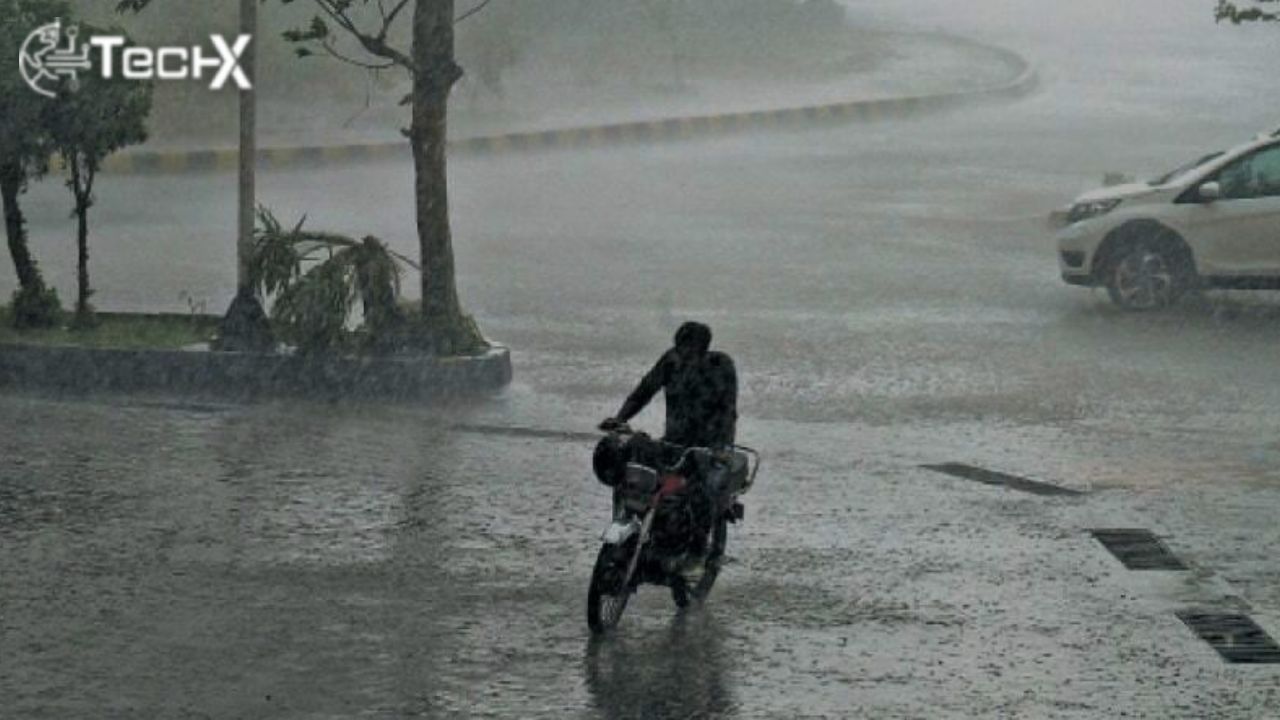
A violent windstorm accompanied by heavy rainfall struck Punjab, causing severe damage and casualties. The Provincial Disaster Management Authority (PDMA) reported at least 13 deaths and over 90 injuries in its initial assessment. The storm’s intensity led to collapsed structures, uprooted trees, and flying debris, creating hazardous conditions across multiple districts. Emergency services were deployed to assist affected communities.
Causes of Fatalities and Injuries
Most deaths resulted from collapsing buildings and accidents involving people caught outdoors during the storm. Falling trees, dislodged solar panels, and damaged infrastructure contributed to the casualties. The PDMA confirmed 92 injuries, with 41 directly linked to storm-related incidents. Rescue teams worked tirelessly to provide medical aid and clear debris from roads, ensuring swift access to emergency services.
District-Wise Casualty Breakdown
The fatalities were spread across several districts, with Jhelum reporting three deaths. Lahore and Sialkot each recorded two fatalities, while Rawalpindi, Sheikhupura, and Nankana Sahib reported one death each. Other affected towns also witnessed casualties. The uneven distribution of damage highlights the storm’s unpredictable path, leaving some areas more severely impacted than others.
Also Read: Petroleum Dealers Threaten Nationwide Strike Over Proposed Amendments
PDMA Issues Safety Advisories
In response to the disaster, the PDMA issued safety guidelines urging residents to stay indoors during storms. Parents were advised to keep children away from unstable structures. The authority emphasized the importance of avoiding hazardous areas and using the emergency helpline (1129) for assistance. These measures aim to reduce risks during future extreme weather events.
Impact Beyond Punjab
While Punjab bore the brunt of the storm, Khyber Pakhtunkhwa and Azad Kashmir also experienced rainfall. The downpour brought temporary relief from the summer heat, lowering temperatures significantly. However, no major casualties were reported in these regions. Meteorological departments continue to monitor weather patterns to provide early warnings.
Conclusion
The devastating windstorm has left Punjab in mourning, with lives lost and many injured. Authorities are assessing the full extent of the damage while relief efforts continue. Public awareness and adherence to safety protocols remain crucial in mitigating future disasters. As climate patterns grow more unpredictable, preparedness and timely response are essential to safeguarding communities.