

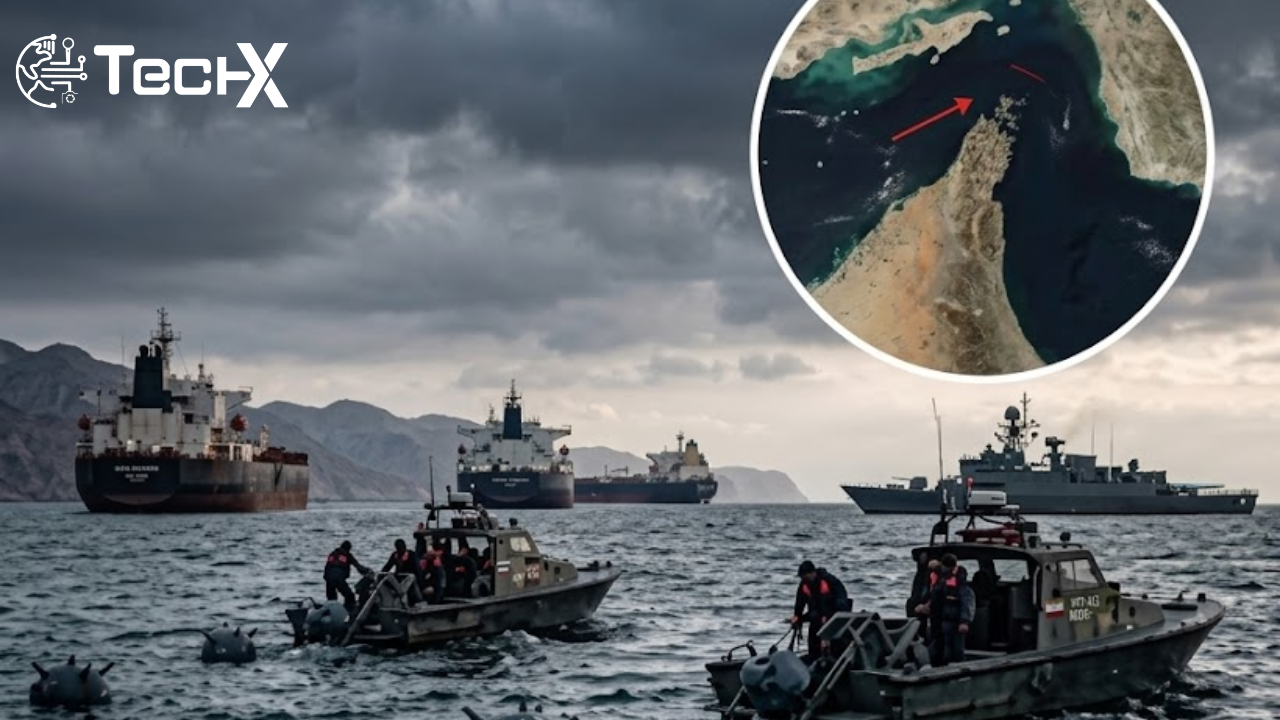
The Strait of Hormuz, a critical maritime artery through which approximately 20% of the world’s oil and liquefied natural gas (LNG) passes, has become the center of a severe geopolitical crisis. Following heightened hostilities between Iran and a U.S.-led coalition, the waterway has been effectively closed to commercial traffic. The deployment of naval mines by Iran’s Revolutionary Guards, combined with a reciprocal U.S. naval blockade, has paralyzed global energy shipping and triggered a sharp rise in international oil prices.
Pentagon Six-Month De mining Assessment
A classified Pentagon assessment recently shared with the House Armed Services Committee highlights the daunting task of reopening the strait. According to reports, military officials believe it could take at least six months to completely clear the area of Iranian-laid mines after hostilities end. This extended timeline is a result of the sheer density of the minefield and the technical difficulty involved in locating and neutralizing underwater explosives in a high-traffic, strategically sensitive environment.
Advanced Technology in Naval Warfare
The difficulty in clearing the waterway is compounded by the type of technology reportedly used in the minefield. Lawmakers were informed that Iran has utilized advanced GPS-enabled mines that can be floated remotely and positioned with high precision. Unlike traditional tethered mines, these “smart” mines are significantly harder to detect using standard sonar and require specialized unmanned underwater vehicles (UUVs) for safe removal. This technological shift represents a major challenge for international de-mining teams.
Conflicting Statements and Danger Zones
While the reported timeline has caused alarm in global markets, the Pentagon has publicly maintained a cautious stance. Spokesperson Sean Parnell labeled the specific six-month estimate as “inaccurate,” though he did not provide an alternative timeframe for a clearance operation. Meanwhile, Iranian officials have declared a “danger zone” covering 1,400 square kilometers, warning that the strait will remain impassable as long as the U.S. naval blockade continues, effectively linking the maritime reopening to broader political negotiations.
Global Economic and Humanitarian Impact
The prolonged closure of the Strait of Hormuz poses a catastrophic risk to the global economy. Shipping giants like Hapag-Lloyd have already signaled that they will not risk their vessels in the area without verified safe routes. The disruption has created a supply chain bottleneck that affects not just energy, but global manufacturing and food security. Until a formal ceasefire is established and a comprehensive de-mining operation begins, the international community remains at the mercy of this volatile maritime deadlock.