The SBP open banking rules released on October 30, 2026 could change how millions of Pakistanis borrow, pay, and manage their money. The State Bank of Pakistan released the draft Open Banking Regulations for public consultation, with the aim of fostering innovation, enhancing competition, and expanding access to efficient, customer-centric digital financial services in Pakistan. The draft is open for comment until the end of November, giving banks, fintechs, and ordinary citizens a rare chance to shape a rule that will affect them directly.
What SBP Open Banking Rules Actually Mean
Open banking can sound like jargon, so here is the plain version. Right now, your bank keeps all your financial data locked inside its own systems. Another app or service cannot see it, even if you want it to. Open banking changes that by using secure digital connections called APIs (Application Programming Interfaces).
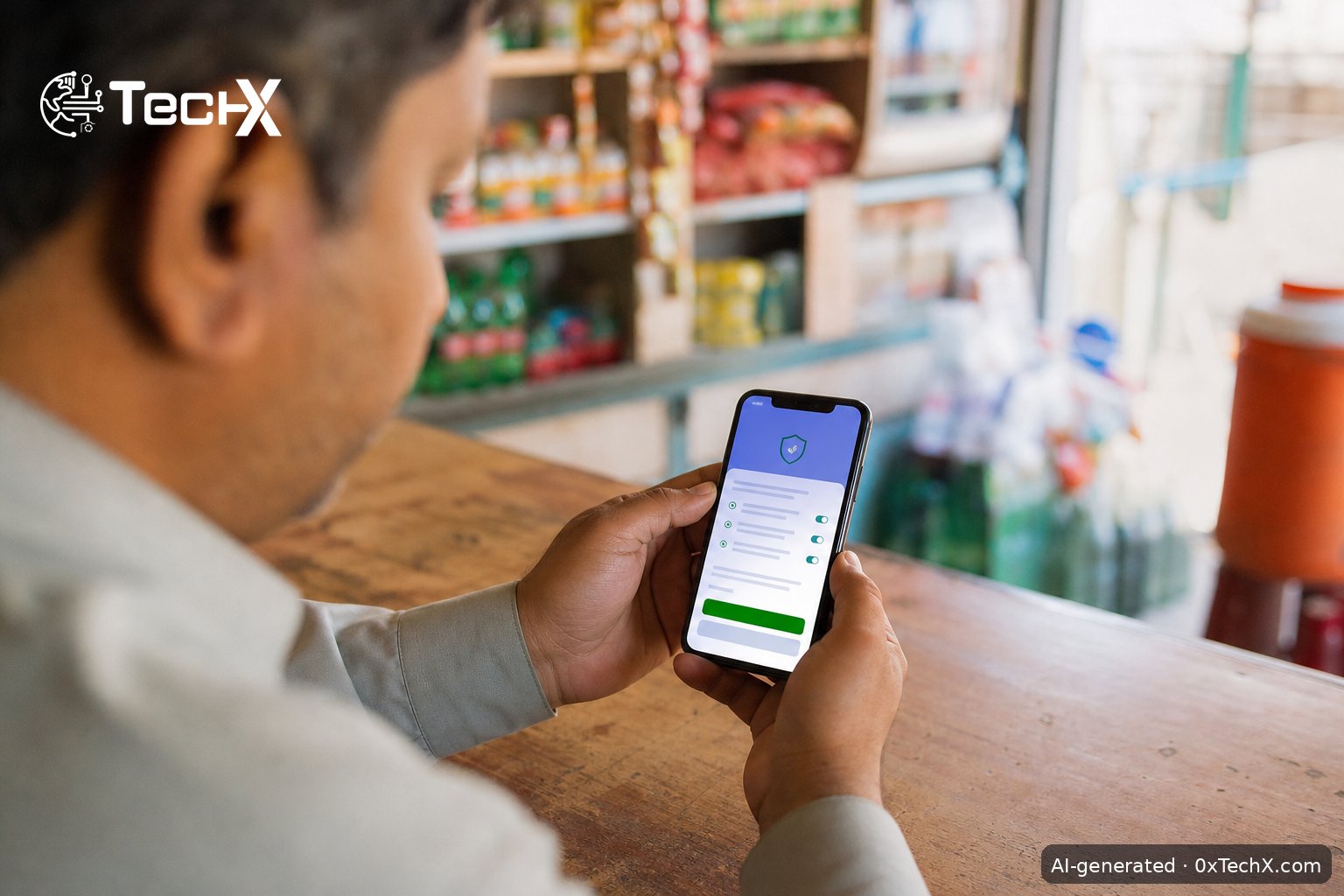
The draft regulations aim to give customers greater control over their financial data by enabling secure, consent-based data sharing and initiating business payments through authorised Third Party Providers (TPPs). In simple terms: you decide which apps can see your bank account data, and those apps can then offer you smarter financial services based on your real history.
The regulations are expected to facilitate the digitisation of business-to-business (B2B) and consumer-to-business (C2B) payments, while enabling innovative uses of consent-based financial data sharing, including robust credit assessments, improved access to financing for small and medium enterprises (SMEs), and the development of tailored financial products and services.
Why This Matters for Pakistan’s Fintech Ecosystem
Pakistan’s fintech sector has grown fast, but one big wall has always blocked it: banks do not share data. A fintech lender has no way to see your salary history, your spending pattern, or whether you repay on time. That means millions of Pakistanis, especially small business owners, get rejected for credit simply because the lender cannot verify them.
The framework is expected to improve credit assessments, expand financing opportunities for SMEs, and encourage the development of customised financial products. For the roughly 40 million small businesses in Pakistan that struggle to get formal loans, that is a big deal.
Pakistan’s growing mobile phone penetration and digital payment adoption, including services like JazzCash and Easypaisa, provide a foundation for open banking development. With tens of millions already using mobile wallets, the infrastructure to make open banking work at scale already exists. The missing piece has been a clear legal framework, and that is exactly what SBP is now trying to put in place.
This draft also fits directly into the SBP’s bigger plan for the country. The State Bank of Pakistan set a target to increase financial inclusion from 64% in 2023 to 75% by 2028 and to minimise the gender gap in financial inclusion from 34% to 25% in the same period. Open banking is one of the main tools to reach that target, because it can help lenders reach people in rural areas who have a mobile phone but no branch nearby.
If you want to understand how the SBP has been building the digital finance infrastructure that supports this, our earlier piece on the SBP SMEConnect portal taking small business loans fully digital shows the bigger picture of where the central bank is headed.
Strong Privacy and Security Safeguards Built In
A natural worry with open banking is privacy. The draft addresses this head on. The draft regulations are aligned with international best practices and informed by the outcomes of the recently concluded first cohort of SBP’s Regulatory Sandbox on Open Banking, and they provide robust safeguards for data protection, privacy, cybersecurity, fraud prevention, and consumer protection.
The key word here is consent. No third party can access your data without your explicit permission. You can also withdraw that permission at any time. This puts the customer in control, not the bank or the fintech.
The Open Banking Framework was unveiled by the SBP in 2019 and provides standards for banks to safely communicate customer-permitted data. The new draft regulations build on that early work and move from a broad framework to a set of enforceable rules with real teeth.
What Happens Next and How to Have Your Say
The draft regulations are currently open for feedback from anyone with a stake in the outcome. The central bank invited feedback from all stakeholders, including financial institutions, fintechs, technology providers, consumer groups, academia, and the general public, to help refine the proposed framework.
Comments may be submitted via email to the Payment Systems Policy and Oversight Department, with the subject line “Feedback on Draft Open Banking Regulations”, or by post to the SBP Building, I.I. Chundrigar Road, Karachi, with November 30, 2026 as the final date for receiving feedback.
The draft regulations are available on the State Bank of Pakistan’s official website. Once feedback is collected and the rules are finalised, SBP will begin licensing Third Party Providers, which is when fintechs can formally start building open banking products for the public.
Pakistan is also watching how global models have worked. The UK and the EU have run open banking regimes for several years. The lesson from those markets is that small businesses and first-time borrowers benefit most when the rules are clear and the technology standards are open. The SBP’s move to ground its rules in internationally recognised open banking principles suggests it has studied those examples carefully.
For Pakistani fintechs already active in digital lending, payments, or personal finance, this is the biggest regulatory green light in years. For ordinary users, it means more choice, better loan offers, and smarter financial tools, without handing over control of your data to anyone you have not approved yourself.
Frequently Asked Questions
What are the SBP open banking rules?
They are a set of draft regulations released by the State Bank of Pakistan in October 2026. They would allow licensed third-party companies to access a bank customer’s financial data, but only with that customer’s clear consent. The goal is more competition, better digital payments, and wider financial access across Pakistan.
Who counts as a Third Party Provider under these rules?
A Third Party Provider (TPP) is any authorised company, usually a fintech, that connects to a bank’s system through a secure API. Under the draft rules, TPPs must be licensed and meet strict data security and consumer protection standards before they can access any customer data.
How will open banking help people who are not yet part of the formal banking system?
Many unbanked Pakistanis already use mobile wallets and have utility or telecom payment histories. Open banking APIs could allow lenders to assess that data, with the user’s permission, to offer credit or savings products to people who would otherwise be turned away for lack of a formal credit record. This is a direct path to the SBP’s 75% financial inclusion target by 2028.
How can I submit feedback on the draft regulations?
You can email your comments to the SBP’s Payment Systems Policy and Oversight Department using the subject line “Feedback on Draft Open Banking Regulations”. The deadline for all feedback is November 30, 2026. The full draft is on the SBP’s official website.