
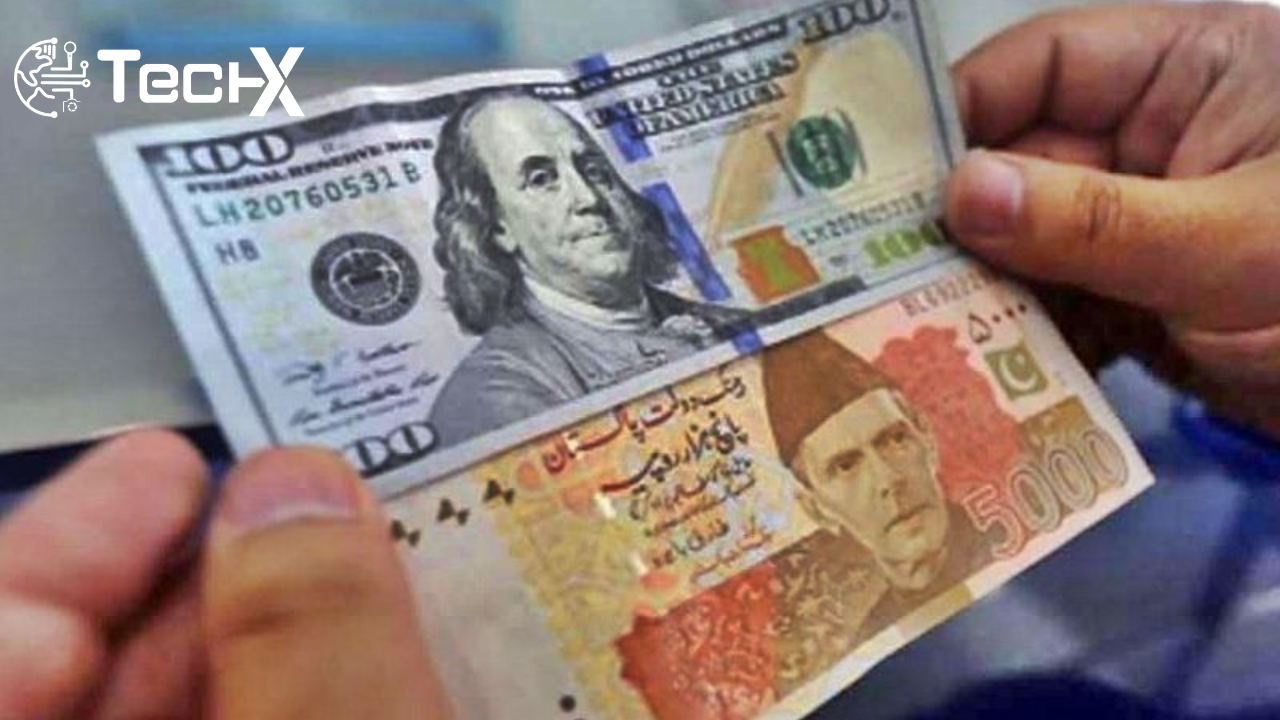
The value of the Pakistani Rupee against the United States Dollar has become a key topic in recent economic discussions. Some analysts believe that the rupee may gradually weaken and reach around 290 to 300 per dollar in the near future. These predictions are based on current economic conditions, market trends, and financial pressures faced by the country.
Impact of Import Dependency
One major reason behind the possible decline of the rupee is Pakistan’s heavy reliance on imported goods. The country imports fuel, machinery, and many essential products that must be purchased in dollars. As the demand for dollars increases in the market, the value of the rupee tends to fall.
Role of Inflation
Inflation also plays a significant role in weakening the rupee. When inflation is higher in Pakistan compared to other countries, the purchasing power of the local currency decreases. This situation often leads to a gradual depreciation of the rupee against stronger currencies like the dollar.
Pressure from Foreign Debt
Another important factor is the burden of foreign debt. Pakistan needs large amounts of dollars every year to repay international loans and interest payments. This constant requirement for foreign currency creates pressure on the exchange rate and can weaken the rupee.
Effects on Daily Life
A weaker rupee can directly affect the everyday lives of people. Imported items such as fuel, electronics, and vehicles may become more expensive. As a result, overall inflation can rise, increasing the cost of living for the general public.
Possible Economic Stabilization
Despite these challenges, economists believe that certain factors can help stabilize the currency. Higher exports, economic reforms, and strong remittances from overseas Pakistanis may support the rupee. If these improvements occur, the decline of the rupee could remain gradual rather than sudden.