
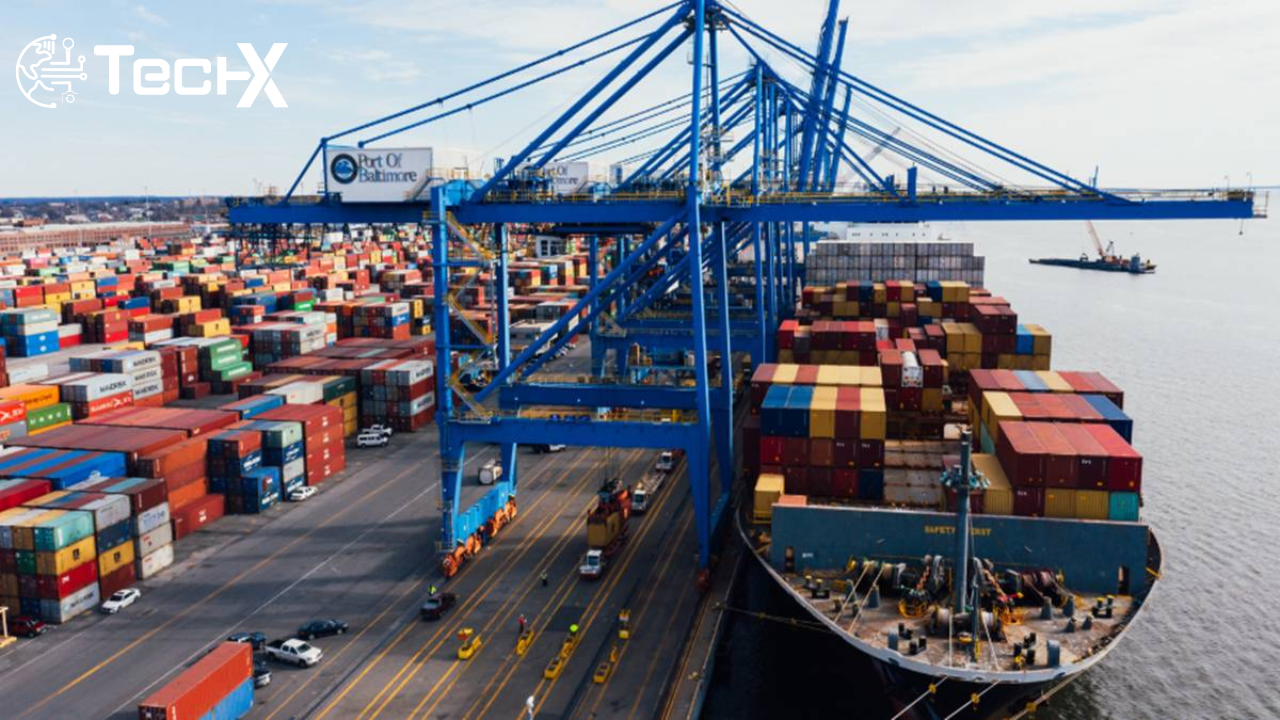
The Federal Government of Pakistan is set to implement a historic overhaul of its trade framework by targeting the removal of over 2,660 non-tariff barriers (NTBs) and a significant reduction in import duties. This move, scheduled to begin in June 2026, is aimed at improving market access and facilitating international trade. By eliminating these hurdles, the government intends to lower the cost of doing business and ensure that local industries can compete more effectively on a global scale.
Compliance with IMF Economic Reforms
This policy shift follows a direct assurance to the International Monetary Fund (IMF). The IMF has consistently recommended easing import curbs so that local manufacturers can access essential raw materials without administrative delays. To formalize this, the government plans to introduce changes in 76 HS (Harmonized System) codes during the upcoming federal budget. These measures will be legally implemented through the Finance Bill 2026, marking a transition toward a more liberalized and transparent trading environment.
Gradual Phase out of Trade Barriers
The removal of 2,662 identified barriers will be carried out in a phased manner under the updated Export and Import Policy Orders. While the first major wave of deregulation is set for June 2026, the government aims to complete the entire simplification process by November 2026. This includes lifting restrictions on sensitive sectors such as mobile phones, dairy products, textiles, steel bars, and essential medicines, which have previously faced significant import challenges due to complex documentation and approval processes.
New Auto Policy 2026 and Duty Reductions
A major highlight of this reform is the proposed Auto Policy 2026, expected to take effect from July 1, 2026. The government is reviewing a plan to gradually reduce additional customs duties and regulatory duties on imported vehicles over the next four to five years. Sources indicate that this policy currently in consultation with the IMF aims for significant cuts in customs duty rates by 2030, which is expected to stabilize the local automobile market and provide more competitive pricing for consumers.
Potential Changes to Used Car Import Rules
In a move that could provide massive relief to the middle class, the government is considering allowing the import of vehicles older than five years. However, this will not be an unregulated opening; imports will be subject to strict safety standards and environmental certifications to ensure that only high-quality, eco-friendly vehicles enter the country. This step is intended to increase competition in the local market and provide more affordable transportation options while maintaining ecological safeguards.
Long term Impact on the National Economy
By reducing import duties and clearing NTBs, Pakistan is positioning itself to become a more integrated part of the global supply chain. Local industries will benefit from cheaper inputs, leading to potentially lower prices for consumers in sectors like construction (steel) and healthcare (medicines). Overall, these reforms are expected to significantly improve Pakistan’s ranking on the “Ease of Doing Business” index and attract much-needed foreign direct investment (FDI) into the manufacturing sectors.