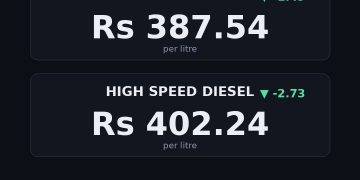

Oil refineries in Pakistan are currently facing financial pressure due to ongoing fluctuations in fuel pricing, regulatory adjustments, and changes in international oil markets. Industry reports suggest that the refining sector has been impacted by rising operational costs and delayed pricing revisions.
Impact of Fuel Pricing Mechanism on Refineries
Pakistan’s fuel pricing system is regulated, meaning refinery margins depend heavily on government-approved price adjustments. Delays or gaps in pricing revisions can reduce profit margins, creating financial stress for local refineries operating under tight regulatory conditions.
Role of Global Oil and Exchange Rate Fluctuations
Refineries are also affected by changes in global crude oil prices and currency exchange rates. Since crude oil is imported, any depreciation of the Pakistani rupee increases input costs, while international oil price volatility further complicates profit stability.
Reported Financial Losses and Industry Pressure
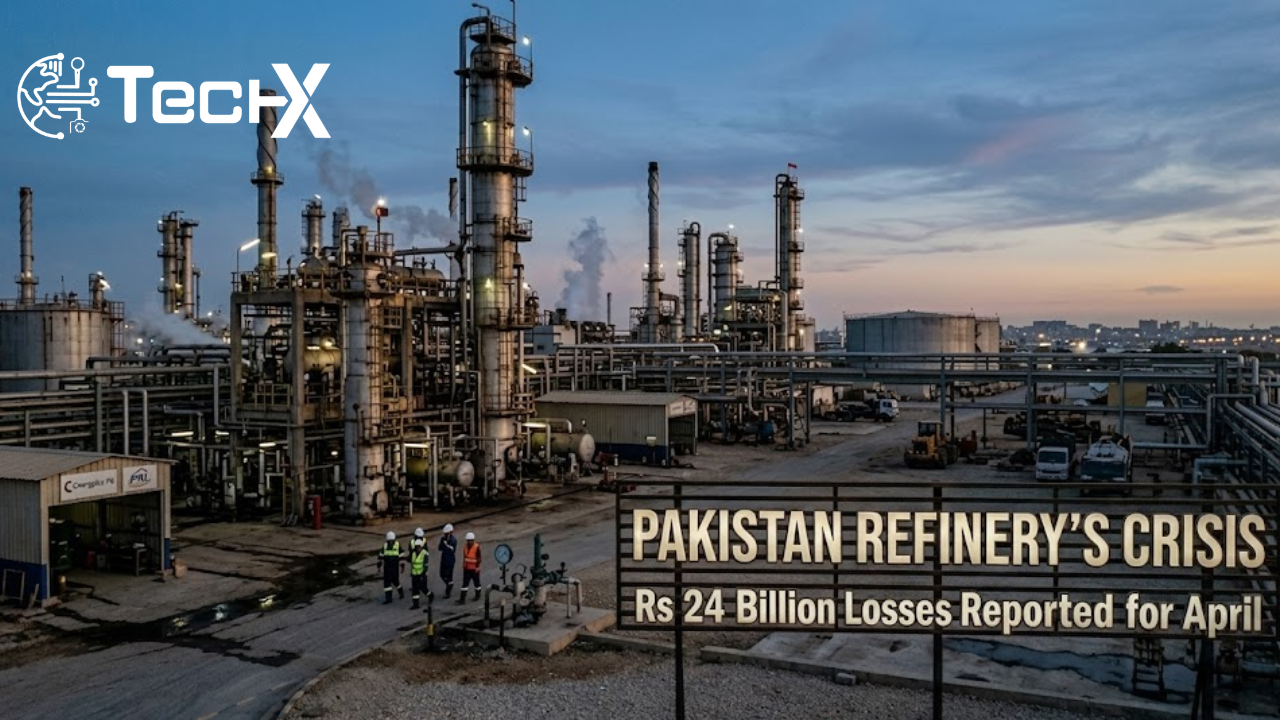
Some industry estimates have suggested significant financial losses, with figures such as Rs 24 billion being reported in media discussions. However, these numbers are not officially confirmed as a consolidated industry-wide figure and may vary between different refineries and reporting periods.
Structural Challenges in the Refining Sector
The refining industry in Pakistan faces long-standing structural challenges, including outdated infrastructure, limited upgrading capacity, and dependence on imported crude oil. These issues contribute to reduced efficiency and profitability during periods of economic instability.
Conclusion and Outlook
In conclusion, Pakistan’s refinery sector is experiencing genuine financial pressure due to pricing mechanisms, currency fluctuations, and global market conditions. While specific loss figures vary, the overall trend reflects ongoing challenges that require policy stability and structural reforms for long-term sustainability.