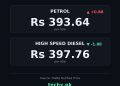

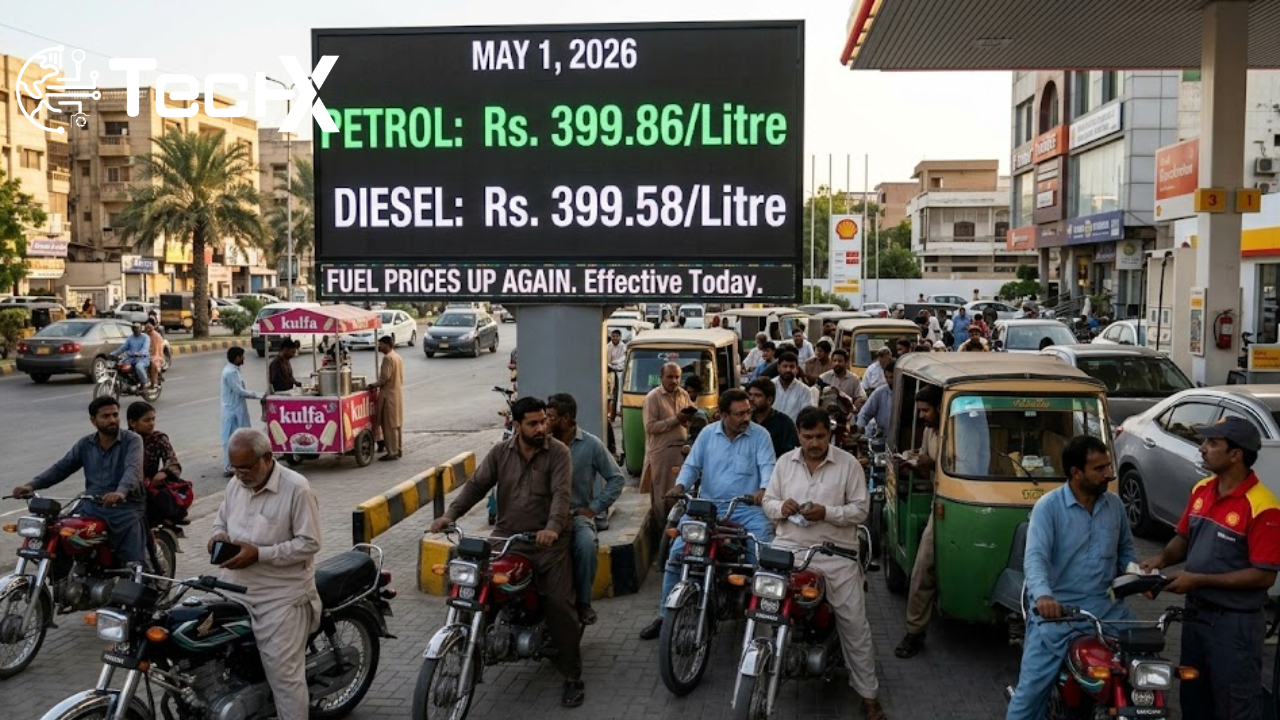
The government has implemented a significant increase in fuel prices effective May 1, 2026. Petrol prices have risen by Rs. 6.51, bringing the new rate to Rs. 399.86 per litre. This sudden jump has sent shockwaves through the consumer market, placing an immediate strain on the monthly budgets of citizens across the country.
The Heavy Toll on Diesel and Logistics
High-Speed Diesel (HSD) has seen an even sharper spike, increasing by Rs. 19.39 to reach Rs. 399.58 per litre. Since diesel is the primary fuel for heavy transport and logistics, this hike will inevitably lead to higher freight charges. This creates a domino effect, increasing the cost of moving goods from factories and ports to the local markets.
Impact on Agriculture and Food Security
The rise in diesel prices is particularly devastating for the agricultural sector. Farmers rely heavily on diesel to operate tractors and tube wells for irrigation. With increased production costs, the price of essential crops and vegetables is expected to climb, further complicating food security for the average person.
Inflationary Pressure on Daily Essentials
As transportation costs rise, the prices of daily commodities like milk, flour, and poultry are likely to follow suit. Retailers often pass these additional overhead costs directly to the consumer. This creates an inflationary environment where the purchasing power of the general public continues to shrink.
Commuter Struggles and Economic Outlook
Public transport fares and ride-hailing services are expected to adjust their rates upward in response to the new fuel prices. For daily wage earners and fixed-income employees who commute long distances, these additional expenses are becoming unsustainable. Without significant economic intervention or relief, the burden on the common man remains at an all-time high.