

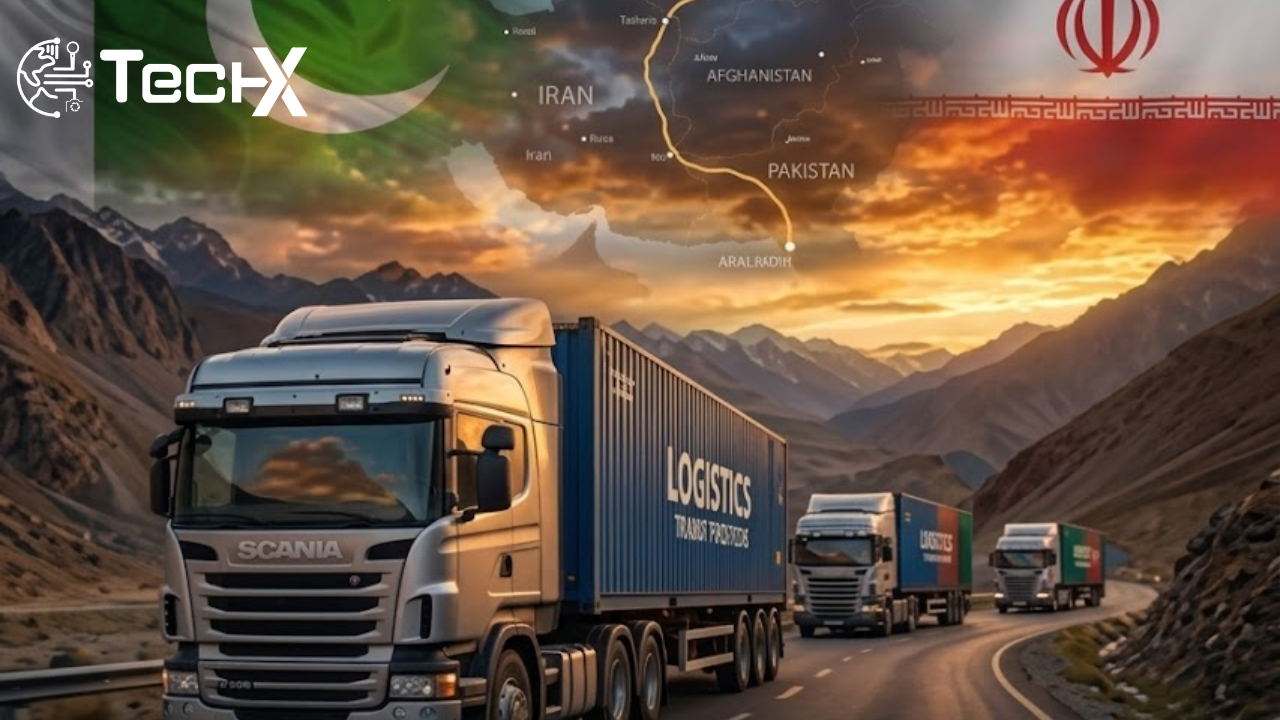
Pakistan has officially allowed the transit of goods to Iran under a regulated government system. The aim is to improve trade flow, reduce port congestion, and strengthen regional connectivity with Iran through controlled routes.
Purpose of the Decision
This move is designed to ensure smooth movement of cargo, especially from major ports like Karachi and Port Qasim. It also helps manage trade logistics in a structured and legally monitored way.
Six Approved Transit Routes
The government has notified six main transit routes for goods moving toward Iran:
- Gwadar → Gabd (border route)
- Karachi / Port Qasim → Ormara → Pasni → Gwadar → Gabd
- Karachi / Port Qasim → Khuzdar → Dalbandin → Taftan
- Gwadar → Turbat → Panjgur → Quetta → Taftan
- Gwadar coastal route → inland Balochistan → Taftan
- Karachi / Port Qasim → Gwadar → Gabd corridor
These routes connect key ports, highways, and the Taftan border crossing.
Customs and Security Monitoring
All transit goods will move under strict customs supervision. The Federal Board of Revenue (FBR) requires documentation and financial guarantees to ensure that goods are not diverted into local markets.
Importance for Regional Trade
This system helps improve Pakistan–Iran trade relations and supports regional economic activity. It also ensures better coordination between ports, highways, and border authorities.
Final Summary
Pakistan’s six-route transit system to Iran is a structured trade facilitation step aimed at improving logistics, reducing delays, and ensuring secure cross-border movement of goods under strict monitoring.