

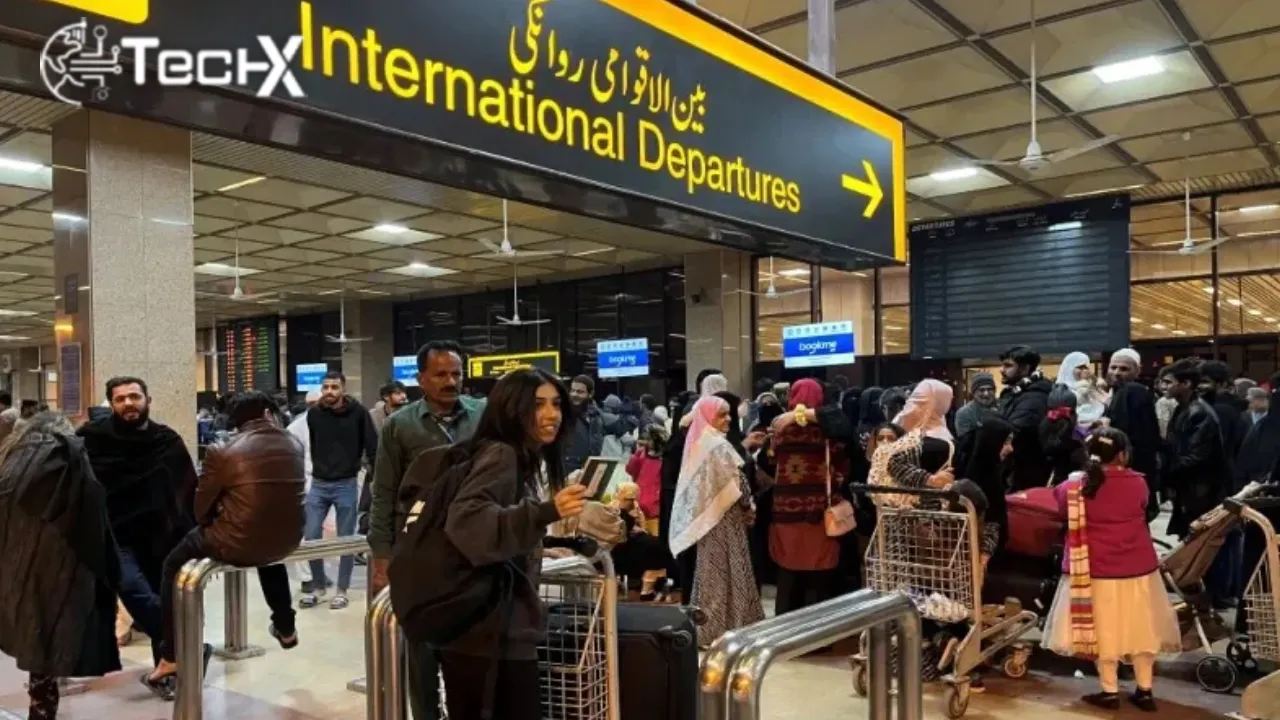
In 2024, Pakistan witnessed over 727,000 of its citizens migrate for job opportunities abroad, reflecting a significant 15% decline from the previous year’s total of 862,625. This trend has stirred mixed reactions within the country. While some express concerns over the potential negative impacts, others see it as a chance for expatriates to acquire advanced skills and return with enhanced expertise.
Economic Implications of Migration
Despite the dip in emigration, the remittances from Pakistanis overseas have become a crucial pillar in stabilizing the national economy. According to data from the State Bank, Pakistan received a substantial $34.634 billion in remittances in 2024, marking a 31.36% increase compared to the year before. These funds are vital for maintaining foreign exchange reserves and managing the country’s import bills.
Role of Remittances in Economic Stability
Economist Usama Siddiqui emphasized the significance of remittances, declaring them the backbone of Pakistan’s economic framework. These financial inflows are instrumental in helping Pakistan navigate through its various economic challenges. Siddiqui pointed out that without these funds, Pakistan’s economic situation could have faced severe deterioration.
Also Read: New App from Lahore High Court Enables Case Hearing Tracking
Brain Drain Concerns
A report from the Pakistan Institute of Development Economics highlights that 200,000 skilled and professional workers left Pakistan in 2024. The ongoing brain drain raises concerns, yet some argue that the opportunities for personal and professional growth abroad can ultimately benefit Pakistan upon the return of these individuals.
The Benefits of Skilled Migration
Many Pakistani expatriates are enhancing their skills in developed countries, contributing to significant knowledge transfer, investment, and entrepreneurship. Sheikh Tahir Imran, a Pakistani expatriate in the US, sees brain drain as a challenge but also an opportunity for growth that is not readily available within Pakistan’s existing infrastructure.
Potential Solutions and Long-term Benefits
Sikandar Salman, a British Pakistani, emphasizes the untapped potential within Pakistan’s millions of professionals. He urges the country to adopt a strategy similar to India’s, which benefits from its diaspora’s success on the global stage. By embracing the mobility of its skilled professionals, Pakistan could ensure their contributions to both local and global development are maximized.
Conclusion
While the decline in Pakistanis moving abroad for jobs in 2024 poses challenges, it also presents an opportunity for the nation to rethink and reinvigorate its approach to harnessing and retaining talent. The increase in remittances underscores the significant economic contribution of the diaspora, demonstrating the dual benefit of overseas employment. By fostering an environment that enables professional growth domestically and leverages the expertise of those abroad, Pakistan can enhance its economic resilience and drive developmental progress.