

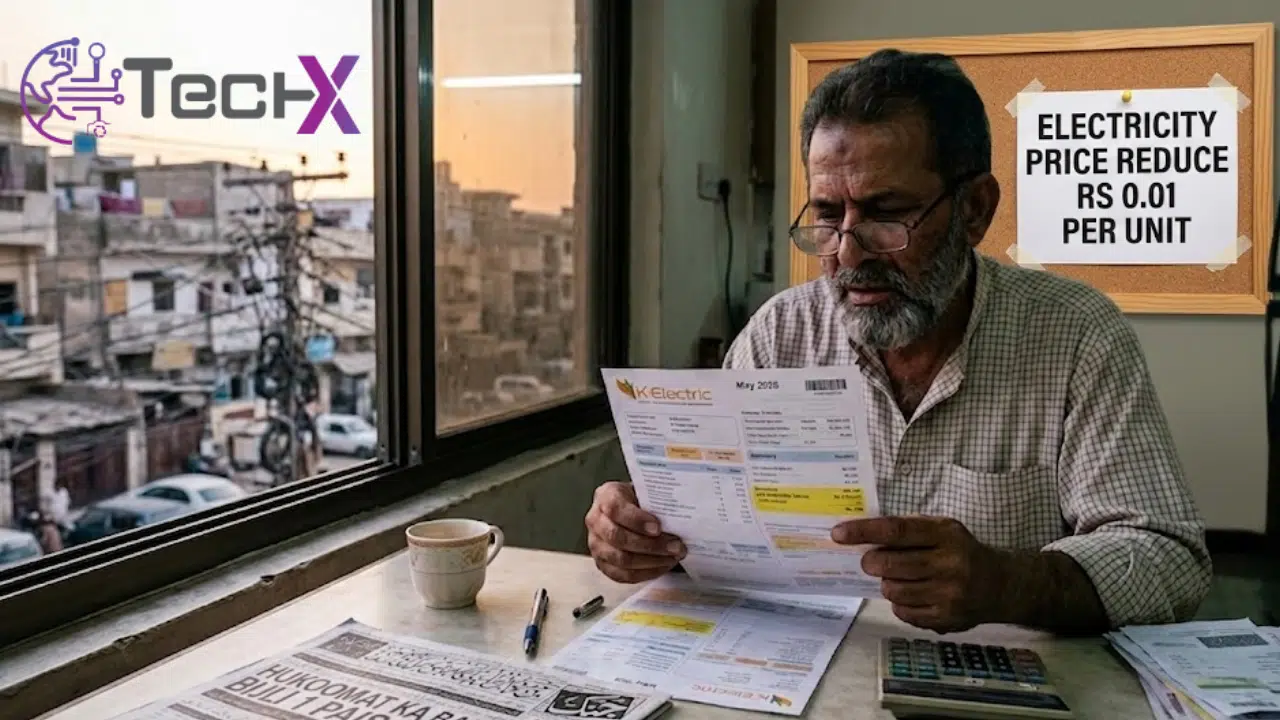
Pakistan’s National Electric Power Regulatory Authority (NEPRA) has approved a very small reduction in electricity prices under the monthly Fuel Charges Adjustment (FCA). The reduction is around Rs0.01 (one paisa) per unit, which will be reflected in consumer bills for a limited period. This adjustment applies to electricity consumed in a specific month and is not a permanent tariff cut.
How the Electricity Price Cut Was Calculated
According to official FCA mechanism, electricity prices are adjusted monthly based on changes in fuel costs used for power generation. In the latest adjustment, NEPRA approved a reduction of approximately Rs0.0102 per unit after reviewing fuel price variations and generation costs. This means the change is purely technical and reflects minor fluctuations in production expenses.
Impact on Consumers
The impact of this reduction on electricity bills will be very small. For example, a household using 300 units of electricity may see a saving of only a few rupees, while higher usage consumers may save slightly more. Because the reduction is only one paisa per unit, it does not significantly change overall monthly bills for most users.
NEPRA’s Decision Process
NEPRA reviews fuel costs every month based on data from power generation companies. In this case, the regulator reportedly rejected a proposed increase and instead approved a minor decrease in tariffs. The decision was based on lower-than-expected fuel costs in the power generation mix during the reviewed month.
FCA System and Electricity Pricing in Pakistan
In Pakistan, electricity prices are not fixed permanently each month; instead, they are adjusted through the Fuel Charges Adjustment system. This means prices can go up or down depending on global fuel prices, import costs, and the energy mix used for electricity production. Therefore, small changes like this are part of routine monthly adjustments.
Overall Public Impact
Although the reduction has been approved, experts say it has no major financial relief for consumers due to its extremely small value. Electricity prices in Pakistan remain influenced by larger issues such as circular debt, fuel imports, and IMF-related reforms. As a result, meaningful relief in electricity bills would require larger structural changes rather than minor monthly adjustments.