
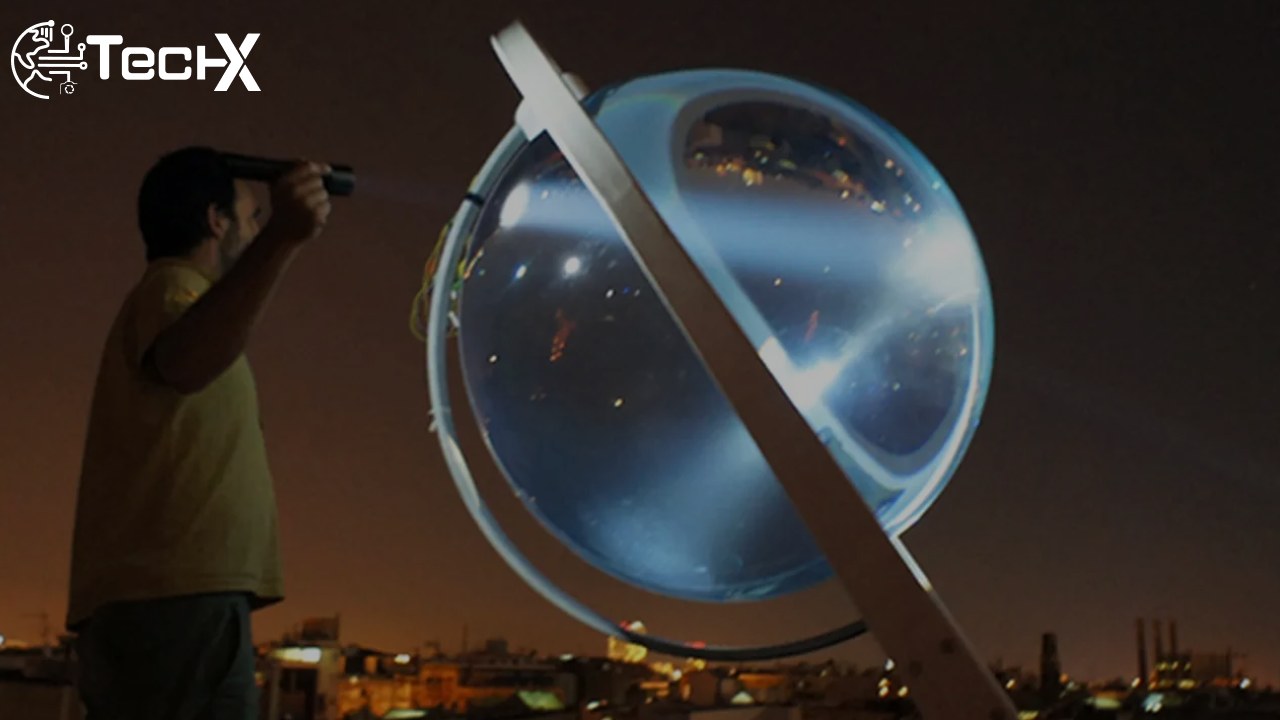
In a remarkable scientific achievement, researchers have created the world’s first device that can turn moonlight into electricity. This groundbreaking “lunar energy cell” outperforms traditional solar panels by 35%. It uses advanced nanomaterials that can absorb the faint light reflected from the moon, turning even the weakest photon signals into a steady flow of electric energy.
How the Lunar Energy Cell Works
The heart of this invention lies in its nanomaterial coating, designed to capture minimal light. Unlike ordinary solar panels that depend solely on sunlight, this device responds to both sunlight and moonlight. When the sun sets, it automatically switches modes without needing human input, ensuring that power generation continues seamlessly throughout the night.
No Batteries or Backup Needed
One of the most impressive features of this lunar generator is its independence from backup systems. Traditional solar setups usually require batteries to store energy for nighttime use. However, the new technology eliminates that need by operating around the clock. This continuous operation reduces maintenance costs and ensures a stable power supply even in long, dark conditions.
Also Read: PIA Begins Restoring Flight Operations After Engineer’s Dispute
Transforming Remote and Space Energy
Experts believe this innovation could change the future of renewable energy. Remote areas, polar regions, and even space stations could benefit from this technology. Places that experience months of darkness may now have an endless clean energy source. Moreover, lunar bases and satellites, which struggle with limited sunlight, could use these cells for constant and reliable power.
A Glowing Future Ahead
What was once a poetic light in the night sky might soon brighten our world in new ways. The invention of the lunar energy cell brings hope for a future powered by both day and night skies. As scientists continue to refine this discovery, humanity moves one step closer to a sustainable energy revolution that shines beyond the sun.