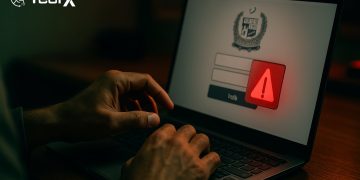


Misleading news websites are becoming harder to spot because many now wear the costume of serious journalism. They pick political, government-sounding, or news-like names to earn your trust at first glance. But once you look inside, the content tells a very different story, one full of gambling tips, cryptocurrency promotions, slot game reviews, and lifestyle clickbait dressed up as reporting.
This is not a small problem. In Pakistan and globally, these sites reach millions of readers every month through social media shares and search engines. Understanding how they work can protect you from being fooled.
How misleading news websites use trusted-sounding names
A site’s name is its first impression. When a website uses words like ‘politics’, ‘news’, ‘times’, ‘tribune’, or ‘reporter’ in its domain name, most readers automatically give it more trust. This is exactly what these sites count on.
Take the pattern seen across dozens of such platforms. A site may call itself something that sounds like a political journal. Its homepage might carry a tagline about ‘political insights’ or ‘in-depth analysis’. But scroll past the front page and you find articles about online slot games, how to win at Mahjong, cryptocurrency wallets, and travel routes, none of which have anything to do with serious political journalism.
These are not random content errors. It is a deliberate strategy. Some of these platforms present themselves as sources for political insights but receive very low trust scores from independent website review services, which flag them as potentially unreliable. In many cases, the domain owner’s identity is hidden behind privacy services, and the WHOIS registration is only a few months old, a major red flag for any site claiming to be an established news outlet.
Why Pakistan is especially at risk
The issue of fake news in Pakistan has become an increasing problem in the 21st century, especially within the realm of social media. Millions of Pakistanis now get their news from Facebook, WhatsApp, and X (formerly Twitter). This makes it very easy for misleading news websites to push their content directly to readers without any editorial gate.
Pakistan has only two fact-checking services that are signatories of the International Fact-Checking Network (IFCN) and members of Facebook’s third-party fact-checking program, and only one of these is purely local. Compare that with countries that have a dozen or more verified fact-checkers. This gap means a lot of misleading content goes unchallenged.
The danger is not just about reading wrong information. Research on Covid-era WhatsApp groups in Pakistan showed that misinformation made up 14 percent of over 7,000 Covid-related texts and images, ranging from false information about the origin of the virus to fake remedies. When misleading news websites feed content into these sharing chains, the damage spreads fast.
For a deeper look at how deceptive websites use familiar-sounding names to fool Pakistani readers, see our earlier guide on fake news websites that mislead Pakistani readers with trusted-sounding names.
How to check if a news website is real
You do not need to be a tech expert to protect yourself. Here are simple checks anyone can do.
- Check the domain age. New websites, registered just a few months ago, that claim to be established news outlets are almost always suspicious. Tools like ICANN WHOIS lookup let you check when any domain was registered, for free.
- Look at the content mix. A real news site focuses on news. If a site named after ‘politics’ or ‘news’ is mostly publishing slot game tips, cryptocurrency guides, or travel click-bait, that is a clear sign its name is just a costume.
- Check who owns it. Legitimate news outlets do not hide their ownership. If a site’s WHOIS record shows the owner is ‘redacted for privacy’, ask yourself why a news organization would need to hide that.
- Search the site name on ScamAdviser or similar tools. These services use computer algorithms that look at 40 or more data points, including third-party reviews, company location, hosting details, and past fraud reports, to create a trust score.
- Find no ‘About Us’ page? Any serious news publisher will clearly explain who they are, where they are based, and who writes for them. Missing or vague ‘About’ pages are a warning sign.
- Check if they have social media presence. Real news sites have active, verified social accounts with an actual audience. A site with zero engagement or a brand-new social profile is suspicious.
The pattern of content that hides in plain sight
Many of these sites are built on WordPress, which is a completely normal and widely-used platform. WordPress powers over 43 percent of websites globally, so using it is not itself a problem. The issue is what these sites publish.
Some of these sites reference cryptocurrency transactions or educational content about digital assets such as Bitcoin and Ethereum, while also presenting financial-service content like investment advice and lending offerings, all while the domain name suggests a political or news-oriented purpose. This mismatch between name and content is a reliable red flag.
As the influence of the internet rises, so does the prevalence of online scams, with fraudsters making all kinds of claims, from fake investment opportunities to online stores, operating from any part of the world with anonymity. Misleading news websites fit directly into this broader pattern of online deception.
What Pakistan’s fact-checkers are doing about it
Local organisations like Soch Fact Check are working hard to flag false claims circulating in Pakistan. They regularly call out misleading headlines on social media and trace viral images back to their real origins. But with the volume of misleading content online, readers cannot rely entirely on fact-checkers to catch everything. Digital literacy, knowing how to check a source yourself, is the strongest protection.
The ability to spot online scams is an important skill as the virtual world becomes a bigger part of everyday life, and there are clear signs that can indicate whether a website could be a scam. Learning those signs takes only a few minutes but can save you from spreading harmful or simply untrue content to your family and contacts.
Frequently Asked Questions
What makes a news website misleading?
A misleading news website uses a serious or political-sounding name to appear credible but publishes content that has little to do with real journalism. Common signs include gambling tips, crypto promotions, hidden ownership, a very new domain, and no clear ‘About Us’ section.
How can I check if a website is trustworthy?
Use free tools like ICANN WHOIS to check the domain registration date. Search the website name on ScamAdviser or similar trust-checking services. Look at what the site actually publishes and compare it with what its name suggests. If the two do not match, be careful.
Why do these sites pick political or news-sounding names?
Because trust is their main product. A name that sounds like a government, political, or journalism outlet gets more clicks and shares without the site having to earn that trust through real reporting. It is a shortcut that exploits how readers judge credibility by appearance rather than by content.
Are misleading news websites a problem in Pakistan specifically?
Yes, Pakistan is especially exposed because social media sharing is very high and the number of local fact-checkers is limited. WhatsApp and Facebook are major sources of news for many Pakistanis, and misleading sites feed content into these platforms knowing it will spread with little pushback.