
JazzCash top fintech recognition just put Pakistan on the global fintech map. On 22 July 2026, JazzCash became the first and only Pakistani app to appear on the CNBC and Statista World’s Top Fintech Companies 2026 list, placed in the Payments category. Behind the ranking sit some hard numbers that explain why the global judges took notice.
What the CNBC Statista List Actually Means
Not every fintech award carries weight. This one does. CNBC and research firm Statista have been compiling this ranking for several years. The list covers everything from early-stage startups to Big Tech giants, split across segments like payments, wealth technology, and insurance. Last year’s edition included names like Mastercard, Stripe, and Visa.
Getting on it means a company was measured against global performance indicators, not just regional ones. For JazzCash, that is a big deal. Pakistani apps rarely compete in the same breath as Silicon Valley or Singapore fintech leaders. This placement changes that story.
JazzCash Top Fintech Status Backed by Real Numbers

The recognition is not based on hype. The numbers behind it are striking. JazzCash now serves more than 60 million customers across Pakistan. During the 12 months ending March 2026, it processed PKR 16.8 trillion (around USD 59.7 billion) in Gross Transaction Value. That growth was 56% higher than the year before, a pace that few payment platforms anywhere can match.
To put PKR 16.8 trillion in context, Pakistan’s entire GDP is roughly PKR 130 trillion. JazzCash is processing a meaningful share of the country’s economic activity through a mobile app.
The Raast Merchant Network
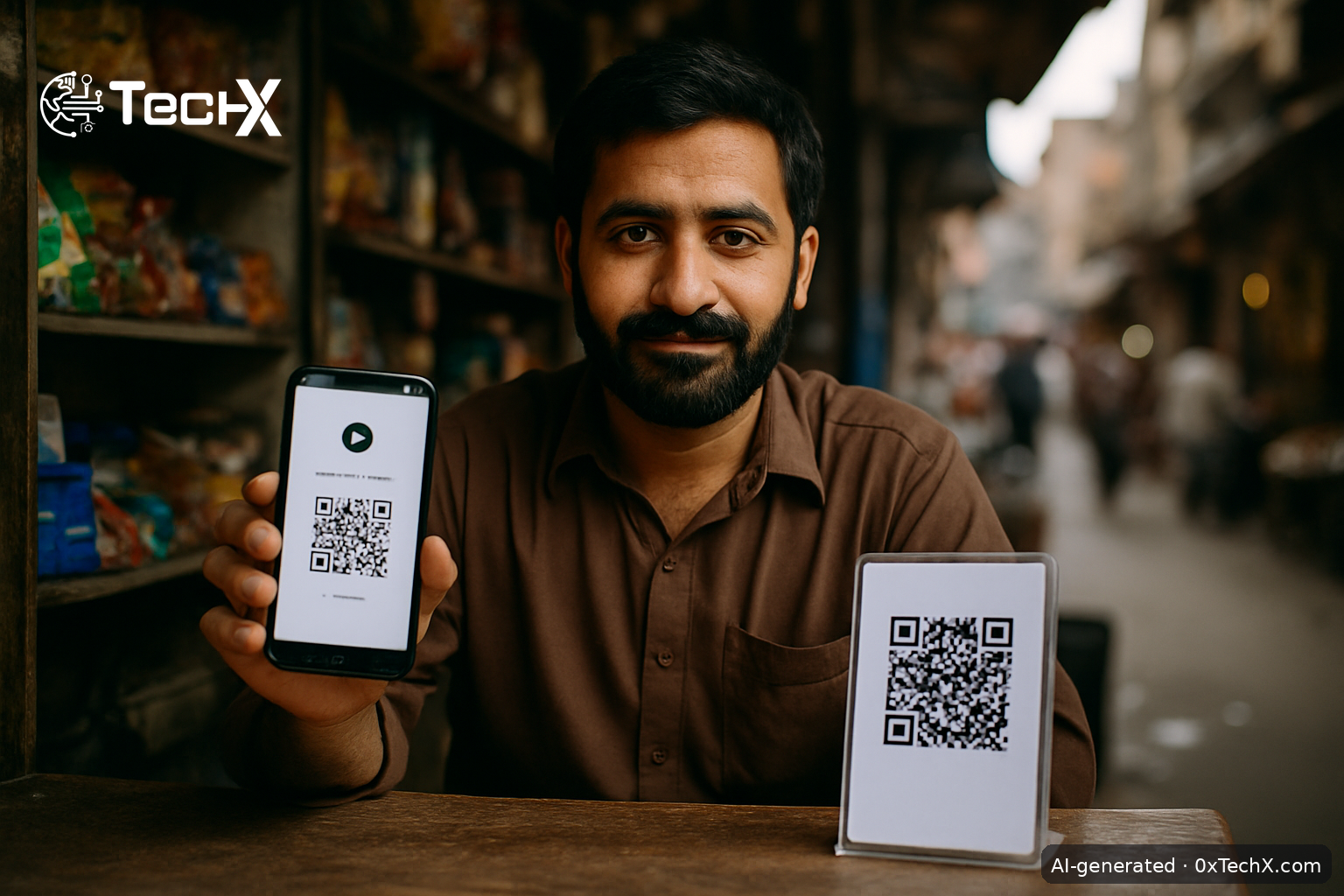
One of the most important drivers of that growth is the QR merchant network. JazzCash now has more than 1.7 million Raast-enabled QR merchant points. Raast is the State Bank of Pakistan’s national instant payment system, launched in 2021 to let different apps and banks move money in real time without friction. When a corner shop owner in Lahore or a fruit seller in Karachi accepts a JazzCash QR scan, that transaction runs through Raast’s rails.
Building 1.7 million of those points means digital payments have reached places where a bank branch never existed. That is not just a business metric. It is a shift in how ordinary Pakistanis interact with money.
Daily Loans at Scale
Beyond payments, JazzCash issues an average of more than 200,000 digital loans every single day. Most of these go to individuals and small businesses who have no credit history at a bank. The QR payment records merchants build up over time are now being used to assess their creditworthiness, opening a path to formal credit for micro-entrepreneurs who were previously invisible to the financial system.
Why This Matters for Pakistan’s Digital Economy Credibility
Most coverage of this news focuses on JazzCash as a company. The bigger story is what it signals for Pakistan as a whole. For years, Pakistan’s digital payments ecosystem was seen as a promising but immature market. Being named alongside Stripe, Mastercard, and similar names changes the narrative.
Foreign investors and global fintech partners now have a third-party signal that Pakistani payment infrastructure is operating at scale. That matters for deal-making, for attracting further investment into Pakistan’s fintech sector, and for the broader argument that Pakistan’s digital economy is real and growing.
JazzCash is a subsidiary of VEON Ltd., a Nasdaq-listed company, which means international investors were already watching. This ranking adds further visibility and puts Pakistan’s name in global fintech conversations in a positive way.
The recognition also aligns with a national push. Pakistan’s cashless economy agenda, supported by the State Bank of Pakistan’s regulatory work on Raast and digital wallets, has been moving steadily. JazzCash’s milestone is a result of that enabling environment, and the CNBC Statista ranking gives it global validation.
If you want to understand how Pakistan’s telecom and tech sectors are shifting alongside this fintech growth, the latest Pakistan telecom market share data shows how Jazz’s wider network position supports JazzCash’s reach.
A Note on Competition
JazzCash is not the only mobile wallet in Pakistan. Easypaisa, run by Telenor Microfinance Bank, is its closest rival. Neither company has made this particular global list before. JazzCash getting there first sets a benchmark and will likely push the entire sector to work harder on the metrics that CNBC and Statista measure.
Frequently Asked Questions
What is the CNBC Statista World’s Top Fintech Companies list?
It is an annual ranking produced jointly by CNBC and research firm Statista. It covers fintech companies worldwide, from startups to large established players, across segments including payments, insurance, and wealth technology. Companies are assessed on performance metrics and growth indicators.
Why is JazzCash’s inclusion historic for Pakistan?
JazzCash is the first and only Pakistani company to appear on this list in the Payments category. No Pakistani fintech had reached this global ranking before, making it a significant first for Pakistan’s digital economy on the world stage.
What is Raast and why does it matter for JazzCash?
Raast is Pakistan’s national instant payment system, operated by the State Bank of Pakistan. It allows different apps and banks to send and receive money in real time. JazzCash uses Raast to power its QR merchant network, which now covers more than 1.7 million merchant points across the country.
How fast is JazzCash growing?
Its Gross Transaction Value grew 56% year-on-year to PKR 16.8 trillion in the 12 months to March 2026. Transaction volume rose 47% in the same period, and the average number of transactions per user climbed 35.8% in Q1 2026 compared to the year before.