

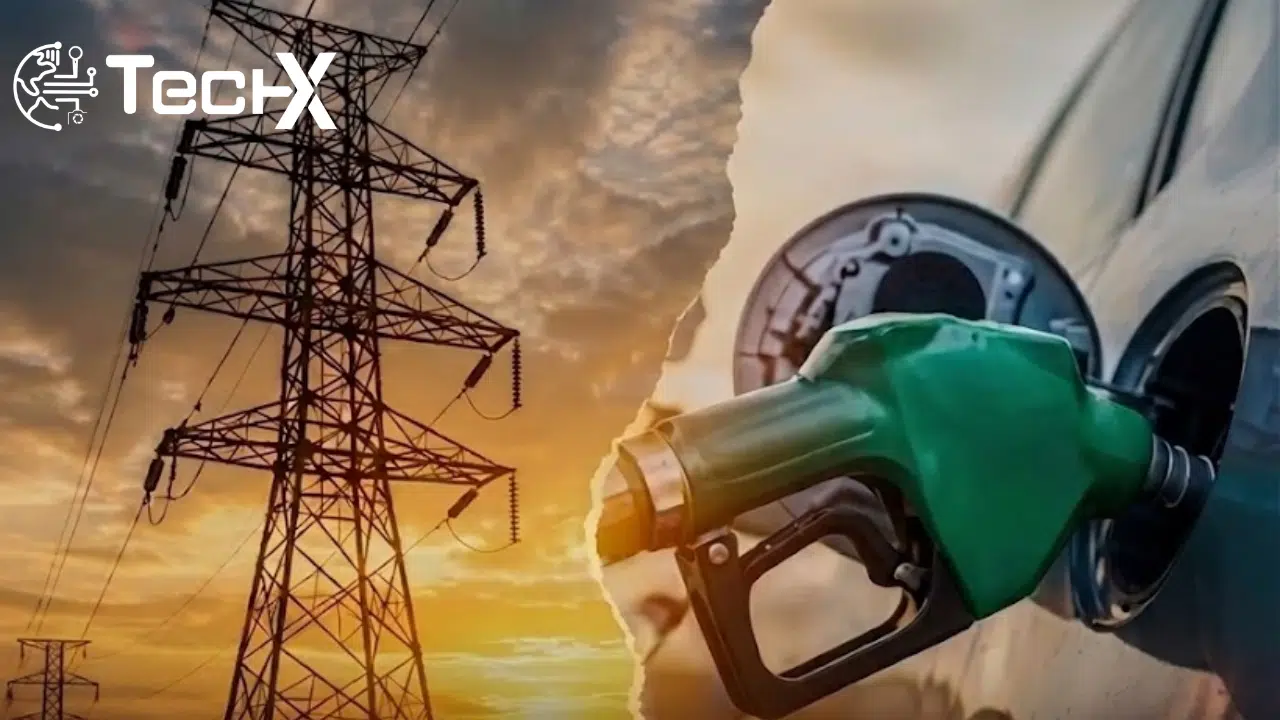
The International Monetary Fund (IMF) has reportedly advised Pakistan to reduce or phase out broad fuel and electricity subsidies in the upcoming 2026–27 federal budget. According to media reports, the IMF wants Pakistan to adopt a “cost recovery” system in the energy sector so that fuel and electricity prices reflect their actual market cost. The IMF believes that continuous subsidies are increasing Pakistan’s fiscal deficit and putting additional pressure on the national economy.
Focus on Energy Sector Reforms
During ongoing budget negotiations, the IMF emphasized the importance of major reforms in Pakistan’s energy sector. Reports suggest that the organization has asked the government to implement electricity tariff adjustments on time and avoid delaying fuel price increases. The IMF argues that untargeted subsidies create financial instability and contribute to the growing circular debt crisis in the power sector.
Targeted Relief for Low Income Consumers
Although reports mention the removal of broad subsidies, there is no official announcement about ending all relief programs completely. Sources indicate that the IMF may still allow targeted subsidies for low-income and deserving households. This means the government could continue providing limited support to vulnerable consumers while reducing nationwide subsidy schemes that benefit all users equally.
Possible Impact on Fuel and Electricity Prices
Economic analysts believe that reducing subsidies could lead to higher fuel and electricity prices in the coming months. An increase in energy costs may also affect transportation fares and the prices of essential goods across the country. However, the government and the IMF maintain that such reforms are necessary to stabilize the economy and improve Pakistan’s financial position in the long term.
IMF Demands Fiscal Discipline
Reports also suggest that the IMF has urged Pakistan to reduce unnecessary expenditures and limit tax exemptions in the new budget. In addition, the organization has called for strict measures to control circular debt and improve revenue collection. These steps are considered important for maintaining Pakistan’s ongoing IMF loan program and restoring investor confidence in the economy.
Budget Decisions May Affect the Public
Experts believe that the upcoming federal budget could bring difficult economic decisions for the public. If subsidies are reduced, inflationary pressure may increase in the short term, making daily expenses more challenging for ordinary citizens. Despite these concerns, the government argues that economic reforms are essential for achieving long-term financial stability and preventing a deeper economic crisis in the future.