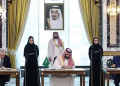

Diversified Payment Rights have arrived in Pakistan for the first time. The International Finance Corporation (IFC) and Bank Alfalah have signed a formal agreement for IFC to invest up to US$100 million in Pakistan’s first-ever Diversified Payment Rights (DPR) note. This is a big step that could help Pakistani banks get cheaper, long-term money from global markets without needing government backing.
What Are Diversified Payment Rights?
A Diversified Payment Right is a financial tool. It lets a bank borrow money from international investors by using its future foreign-currency income as security. Think of it like this: a bank promises, “We receive dollars and euros from abroad every year. We will use that future income to repay your loan.” This makes the deal safer for investors and cheaper for the bank. Countries like Turkey, El Salvador, and Guatemala have used IFC-supported DPR structures to access global capital markets.
Pakistan’s First Diversified Payment Rights Deal
Bank Alfalah is the first Pakistani bank to launch a DPR program. The IFC Board approved the investment on May 27, 2026. The two sides then signed a Project Agreement to move the deal forward. The note will be issued by Bank Alfalah under its new DPR Program.
The deal does not need a sovereign guarantee. That means the Pakistan government does not have to promise to repay the money if something goes wrong. The structure stands on its own. This is important because it reduces risk for taxpayers and still brings in foreign funds.
Why This Matters for Pakistan
Pakistan often struggles to get long-term foreign funding at good rates. Most international borrowing needs government backing, which adds pressure on public finances. This new Diversified Payment Rights structure changes that. It lets private banks raise dollars directly from global investors.
IFC also worked with the State Bank of Pakistan (SBP) and the Ministry of Finance from December 2022 to August 2024. Together they built the rules and tax framework needed for DPR deals to work in Pakistan. Bank Alfalah is now the first to use this framework. Other banks may follow.
Fresh Money for the Banking Sector
The $100 million investment will give Bank Alfalah access to low-cost, long-term foreign currency. This can help the bank lend more to businesses and support economic growth. If the deal works well, more Pakistani banks could launch similar programs. That could bring hundreds of millions more dollars into the country over time.
What Leaders Are Saying
Momina Aijazuddin, Regional Financial Sector Director at IFC, said: “This investment will strengthen Pakistan’s capacity to access new sources of long-term international funding. Bank Alfalah’s upcoming issuance will demonstrate the potential of the DPR framework and can pave the way for broader adoption across the banking sector.”
Atif Bajwa, President and CEO of Bank Alfalah, said: “Bank Alfalah is proud to pioneer this instrument in Pakistan and help establish a new funding avenue for the country’s banking sector.”
A Milestone for Pakistan’s Capital Markets
This deal is more than just one bank raising money. It shows that Pakistan’s financial market is growing. It connects local banks to global investors in a new way. The use of Diversified Payment Rights could deepen Pakistan’s debt market over the coming years.
The IFC, Bank Alfalah, SBP, and the Ministry of Finance all worked together to make this happen. Their cooperation shows that public and private groups can build new financial tools for Pakistan when they work as a team.
Key Facts at a Glance
- Deal size: Up to US$100 million
- Instrument: Diversified Payment Rights note
- First Pakistani bank to use DPR: Bank Alfalah
- IFC Board approval date: May 27, 2026
- No sovereign guarantee needed
- Framework built with SBP and Ministry of Finance
This is a landmark moment for Pakistan’s fintech and banking world. If other banks adopt the Diversified Payment Rights model, it could change how Pakistan funds its financial sector for years to come.