
AI face licensing, paying real people to scan and use their likenesses in AI-generated videos, has turned into a fast-growing business in China, and it is already catching the attention of freelancers around the world, including in Pakistan. Chinese platforms are offering between $15 and $700 per production to anyone willing to put their face into a digital catalog, and the scale of demand behind this market is staggering.
What Is AI Face Licensing and How Does It Work?
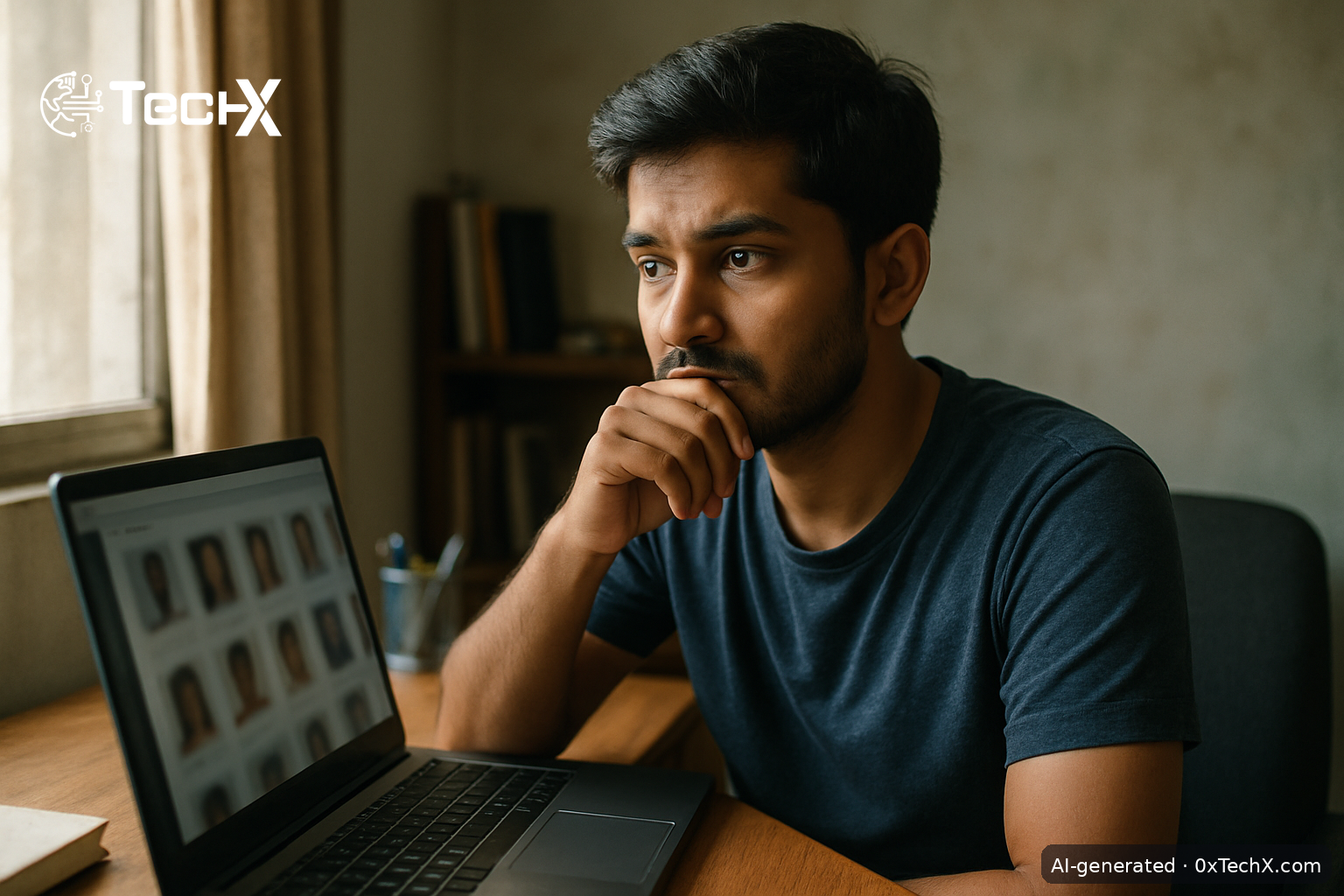
AI face licensing is simple in concept. A person uploads photos or visits a studio, signs a licensing agreement, and then waits for a video producer to pick their face for an AI-generated project. Platforms such as ActID and New Claw pay people to let producers use AI-generated versions of their likenesses in films, advertisements, and short-form videos, so creators can license pre-approved digital identities that can be reused across multiple projects.
Producers browse catalogs sorted by gender, age, and type, tags like ‘girl-next-door’ or ‘rugged’, while the person sets the price and permitted uses. It works a bit like a stock photo library, except the product is a living, animated version of your face that can speak, emote, and play roles across dozens of episodes.
On ActID, licensing fees range from about $15 to $70 per episode and the platform takes a 10% commission. New Claw charges at least $70 per image and allows contributors to control how their likenesses are used. The higher $700 figure comes into play for full-production deals and more extensive licensing terms.
The Industry Driving This AI Face Licensing Boom
The demand is not random. It is powered by China’s enormous microdrama industry. Microdramas are short-form serialized videos, typically just a few minutes per episode, that have become hugely popular on Chinese social media platforms, and their low production costs and rapid release schedules have made them an increasingly attractive use case for generative AI.
Data from the China Network Broadcasting Association shows that AI was used in over 95% of the 128,000 micro-dramas that aired during the first quarter of 2026. Studios churning out content at that speed need a constant supply of faces, and hiring human actors for every episode is too expensive. China’s AI microdrama sector reached roughly 16.8 billion yuan (about $2.3 billion) in 2025.
The platforms also present face licensing as a legal alternative to an existing problem. Two influencers accused ByteDance’s Hongguo platform of using their faces without consent in an AI drama that received more than 40 million views before being removed, and ByteDance says it has taken down more than 85,000 videos involving unauthorized AI recreations of people’s faces or voices since the start of 2026.
Why Pakistani Freelancers Are Paying Attention
Pakistan has one of the largest freelancing communities in the world, with hundreds of thousands of digital workers who regularly take on international gigs. A paid opportunity that asks only for your face, no coding, no design skill, no language barrier, sounds like a dream side income. At current exchange rates, even the lower end of $15 converts to roughly Rs4,200, and the top rate of $700 equals more than Rs194,000 for a single licensing deal.
But there is a serious catch, and it is one that most quick social media posts about this trend do not explain clearly enough. Lawyers warn that once a face enters the marketplace, its owner loses control of it. The contract may say you approved one type of use, but the AI model trained on your data can generate content far beyond what you imagined when you signed.
The practical risk is that you license your face for a toothpaste ad today, and a future model trained on your data generates content you would never have agreed to. The paperwork says you consented; the technology makes that consent almost impossible to enforce.
For Pakistani freelancers, this risk is even sharper because of the legal gap at home. The absence of a data protection law has resulted in a corresponding absence of dedicated privacy litigation in Pakistan. If a Chinese platform misuses your face in a degrading or harmful way, you would have very little legal ground to stand on inside Pakistan right now. You can read more about this gap in our earlier coverage of Pakistan’s missing AI and data protection rules.
Pakistan Is Starting to Take Notice, But Slowly
There are early signs that Pakistani authorities recognise the threat. The Punjab government has prepared the draft of the Punjab Performers’ Digital Identity and Artificial Intelligence Protection Act 2026, which would recognise an artist’s voice, facial image, and other digital identifiers as protected intellectual property, and require explicit, written, and specific consent before any AI-generated performance or digital replica can be created or used.
This draft law focuses on performers and artists, not the general public or freelancers. And it is still a draft, not yet in force. So for now, an ordinary freelancer who licenses their face to a foreign AI platform has almost no formal legal safety net in Pakistan.
Under Pakistan’s current framework, biometric data is classified as ‘sensitive personal data,’ but without a fully enacted data protection law, that classification does not yet come with strong enforcement teeth for cross-border situations.
What the Risks Actually Look Like
Legal experts who have studied these platforms closely raise several specific concerns that every Pakistani digital worker should understand before signing anything.
- Vague contracts: Beijing lawyer Yile Deng told Rest of World that licensing terms are usually too vague to know who ends up with a face or what they do with it.
- No real control after upload: Proponents say the platforms give people more control over their likeness, but experts warn they cannot eliminate the long-term risks of AI misuse and biometric data exploitation.
- Degrading content risk: One model told Rest of World: ‘If I license my face, I have no idea how AI might eventually change it or whether it could portray me in degrading ways.’ His concerns highlight a growing debate, people may approve one use of their face but have little say on how it will be used in the future.
- Growing court cases: The Guangzhou Internet Court has heard approximately 700 AI-related face theft cases over the past three years. Even in China, where some legal framework exists, enforcement is hard.
It is also worth noting that the market may not be as big as it looks. Most AI minidramas still use fully synthetic faces, since buying a real one is optional. The economics may limit how many real-face licenses studios actually buy, which means supply could quickly outpace demand and drive fees down.
Frequently Asked Questions
Can Pakistani freelancers actually sign up for these Chinese face licensing platforms?
Technically, yes, these platforms operate online and are not restricted by geography at the moment. But Pakistani users would be entering a cross-border agreement under Chinese law, with little to no legal protection back home if something goes wrong. Always read the full contract and ideally get legal advice before agreeing.
Is selling your face for AI use halal or ethically acceptable?
This is an open question in Pakistan. Islamic scholars broadly accept earning lawful income from one’s likeness, but content that is later used in immoral or degrading ways would raise serious concerns. Since you cannot fully control how your face is used after licensing, this is a meaningful ethical risk that goes beyond just money.
What protections does Pakistan currently offer for biometric data?
Pakistan’s existing rules classify biometric data as sensitive personal information, but there is still no fully enacted standalone data protection law. The draft Personal Data Protection Bill and the Punjab AI performer law are steps in the right direction, but neither is fully in force yet for the general public.
How much can someone realistically earn from AI face licensing?
Participants, including models, students, retirees, and other members of the public, can earn anywhere from $15 to $700, depending on the licensing terms and the type of project. However, higher fees are rare and most deals fall toward the lower end of that range, especially for first-time or unknown faces.