

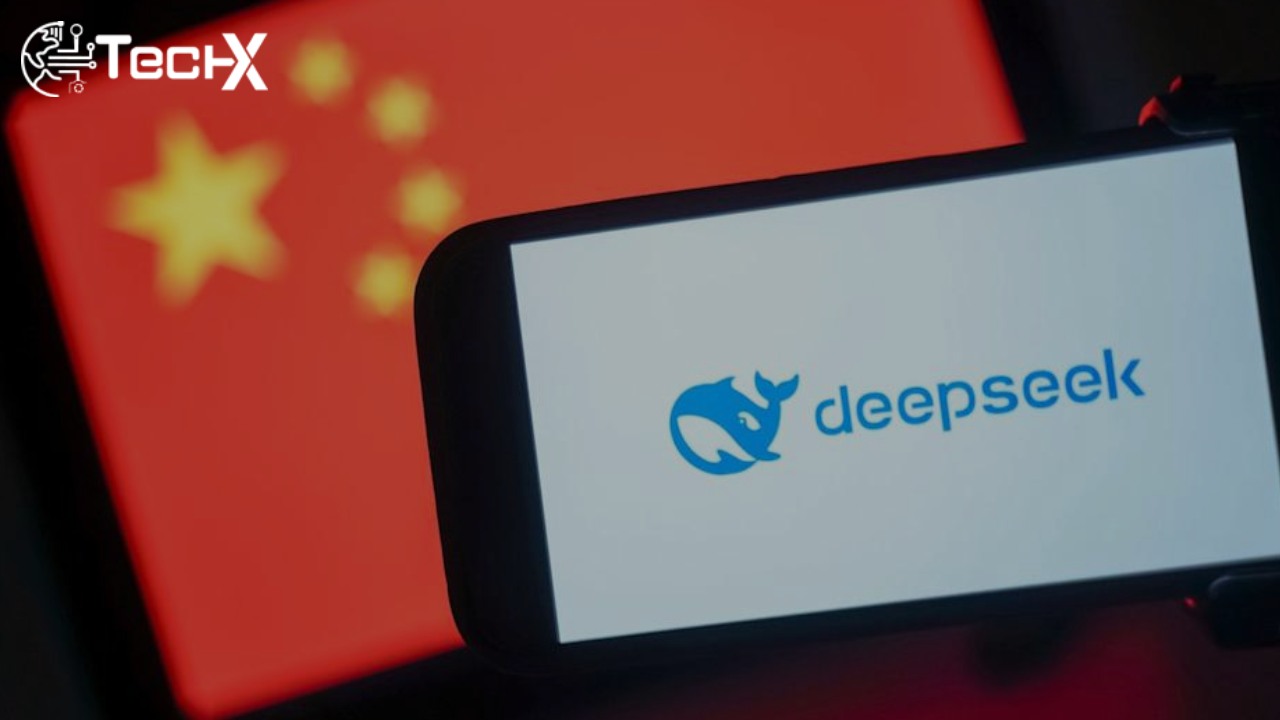
China’s DeepSeek has stepped into the global AI race with fresh energy, releasing two new models called DeepSeek-V3.2 and DeepSeek-V3.2-Special. The first model focuses on daily reasoning tasks, while the second works on complex math and coding problems. Both models come under an open-source license, making them fully free to use. Their arrival signals a shift in a market long ruled by costly and limited AI tools.
Open Source Approach Makes the Launch Stand Out
What sets DeepSeek apart is its bold choice to go fully open source. While major US tech giants release strong models behind paywalls, DeepSeek has chosen a path rooted in openness and broad access. This choice brings new freedom for many users. It also opens a door to a more balanced global AI field, where more people can shape the future of advanced technology.
Performance Reaches Global Excellence Levels
DeepSeek-V3.2 reportedly matches or even beats GPT-5 and Google’s Gemini 3 Pro in long-form reasoning, tool use, and solving complex problems. It shines in contests like the International Mathematical Olympiad and the ICPC World Finals. The Special model goes even further with a 99.2% score on the Harvard-MIT Math Tournament and high marks in bug fixing, showing gold-level talent without internet or outside tools.
New Architecture Reduces Costs by a Large Margin
A powerful part of DeepSeek’s design is its DeepSeek Sparse Attention method, also known as DSA. Regular transformer models compare every word with every other word, which becomes costly with long text. DSA reduces this by targeting the most important parts, lowering costs by up to 70 percent. This matters greatly, helping small teams enjoy models that were once limited to wealthy labs.
Also Read: PTCL Could Reach $5 Billion Valuation in Coming Years
Wider Access Opens New Doors for Developers
DeepSeek’s new models come with a wide 128,000-token context window and are completely free to download and adjust. This lets developers and small groups work with high-level AI without worrying about expensive cloud bills. These tools give them the power to explore, create, and innovate in fields that once felt far away. It is a quiet but meaningful shift in global AI access.
Big Improvements in Tool-Based Reasoning
DeepSeek also focused on better tool use. Many AI systems forget earlier steps when switching tools, but DeepSeek fixed this by keeping memory steady during each action. The company trained the models on more than 85,000 complex examples using real browsers and coding tools. This helps the models handle linked tasks like planning trips, checking prices, testing code, and managing many small limits together.
Open Licensing Raises Global Regulatory Concerns
DeepSeek uses the MIT license, which lets anyone copy, change, or sell the models. While this supports innovation, it also raises concerns among regulators. Some countries fear risks in data transfers and safety. Germany has tried blocking DeepSeek, Italy banned the app earlier this year, and US officials want it off government devices. The company’s Chinese roots keep shaping these discussions.
Public Access Expected to Grow in December
Right now, the Special version is only on a temporary API, but DeepSeek plans to combine it with the main V3.2 model by mid-December. This will make it open for everyone. After years shaped by ChatGPT’s rise, this launch marks a turning point. AI competition is no longer just about power. It is now also about cost, openness, and giving more control to the public.