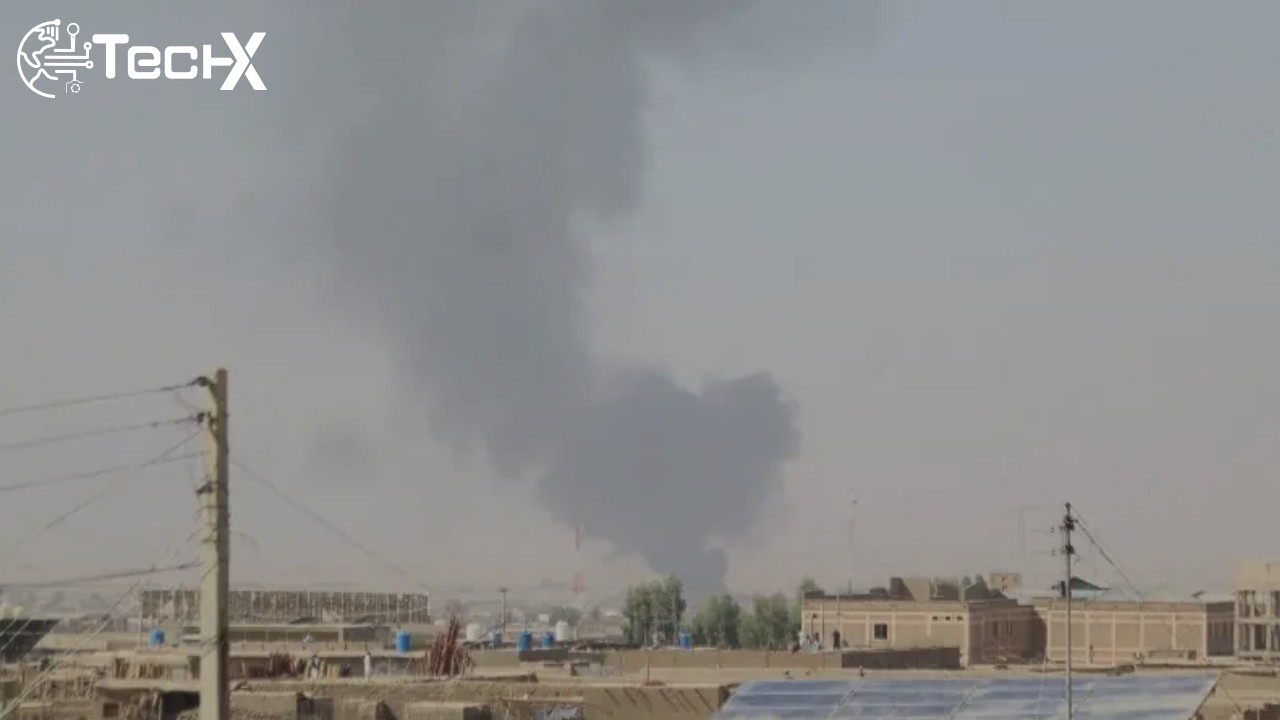
In a welcome turn of events, Pakistan and Afghanistan have agreed to a temporary ceasefire after deadly cross-border clashes. The violence along their shared frontier had sparked fears of a wider conflict. The 48-hour truce, announced on Thursday, offers both nations a moment to step back, reflect, and pursue dialogue over confrontation, drawing global attention and regional support for lasting peace.
China Praises Dialogue Over Conflict
China was among the first to applaud the decision, emphasizing dialogue as the best path forward. Foreign Ministry spokesperson Lin Jian said Beijing had noted the ceasefire and saw it as a wise and necessary step. He added that such moves serve the shared interests of both sides and promote stability across the region. China reaffirmed its support for peace through constructive talks rather than escalating tensions.
Beijing’s Vision for Regional Stability
China’s approach toward South Asian affairs has long centered on stability and development. The temporary ceasefire aligns with Beijing’s vision for peaceful coexistence and regional cooperation. By welcoming the move, China signaled its readiness to help both Islamabad and Kabul maintain calm. This gesture also highlights China’s consistent role as a diplomatic bridge, fostering understanding between neighboring Muslim nations.
Iran Calls for Dialogue and Diplomacy
Iran also welcomed the truce between its eastern neighbors. Tehran’s Foreign Ministry spokesperson, Esmaeil Baqaei, urged both sides to prioritize diplomacy and dialogue over violence. Expressing deep concern over civilian casualties, he said that Iran stands ready to assist any initiative aimed at reducing tensions. Iran’s statement reflected its long-held belief that regional peace must be built on cooperation and mutual respect.
Also Read: Over 200 Afghan Fighters Killed, 23 Pakistani Soldiers Martyred in Border Clashes: ISPR
Tehran’s Stand Against Regional Instability
Iran’s message was not only about peace but also about addressing the roots of conflict. Baqaei underlined the need for stronger regional cooperation to combat terrorism and cross-border extremism. Tehran reaffirmed its commitment to preventing instability from spilling across borders. By offering its assistance, Iran positioned itself as both a neighbor and a peace advocate, encouraging unity among Muslim nations.
Saudi Arabia Supports Pakistan’s Efforts
Meanwhile, Saudi Arabia also expressed its support for the ceasefire initiative. In a telephonic conversation between Pakistan’s Foreign Minister Ishaq Dar and Saudi Foreign Minister Prince Faisal bin Farhan, both leaders discussed the matter in detail. According to Pakistan’s Foreign Office, Prince Faisal appreciated Islamabad’s commitment to regional peace and highlighted the importance of collective action to maintain stability in South Asia.
Riyadh’s Role in Regional Harmony
Saudi Arabia’s stance demonstrates its consistent efforts to promote peace among Muslim nations. By backing Pakistan’s decision to seek a peaceful resolution, Riyadh reaffirmed its belief in diplomacy and cooperation. The Kingdom’s call for unity and stability carries weight, especially given its close ties with both Pakistan and Afghanistan. Riyadh’s engagement symbolizes hope for broader Muslim solidarity in turbulent times.
The UN Welcomes the Move
The United Nations has also joined in supporting the ceasefire. UN Secretary-General Antonio Guterres welcomed the announcement, calling it a vital first step toward ending hostilities. He urged both nations to use this opportunity to agree on a permanent cessation of fighting. Guterres stressed that lasting peace requires patience, communication, and a firm commitment to humanitarian principles that protect civilian lives.
A Moment of Reflection for Both Nations
The temporary truce provides both Pakistan and Afghanistan a chance to reassess their priorities. While tensions have flared due to security concerns and border issues, dialogue now offers a path away from escalation. The ceasefire may be brief, but it carries the spirit of reconciliation. It represents the courage to pause conflict and the wisdom to seek understanding between two closely tied nations.
Regional Unity for Lasting Stability
The joint support from China, Iran, and Saudi Arabia reflects a rare alignment among key regional players. Their shared emphasis on peace underscores the value of cooperation over confrontation. If Pakistan and Afghanistan build on this ceasefire through continued dialogue, the entire region could move closer to stability and prosperity. The world now watches with cautious optimism as both sides navigate this fragile moment of peace.