
The Pakistan government super app is now officially in the works. Chinese technology giant Alibaba is building a single digital platform that will bring every government service to one place on your phone, Prime Minister Shehbaz Sharif’s office confirmed on 25 November 2026. At the same sitting, PM Sharif was told that telecom operators have completed 5G network upgrades in 86 Pakistani cities, a big step, even though full commercial 5G is not yet live across all of them.
What Is the Pakistan Government Super App?
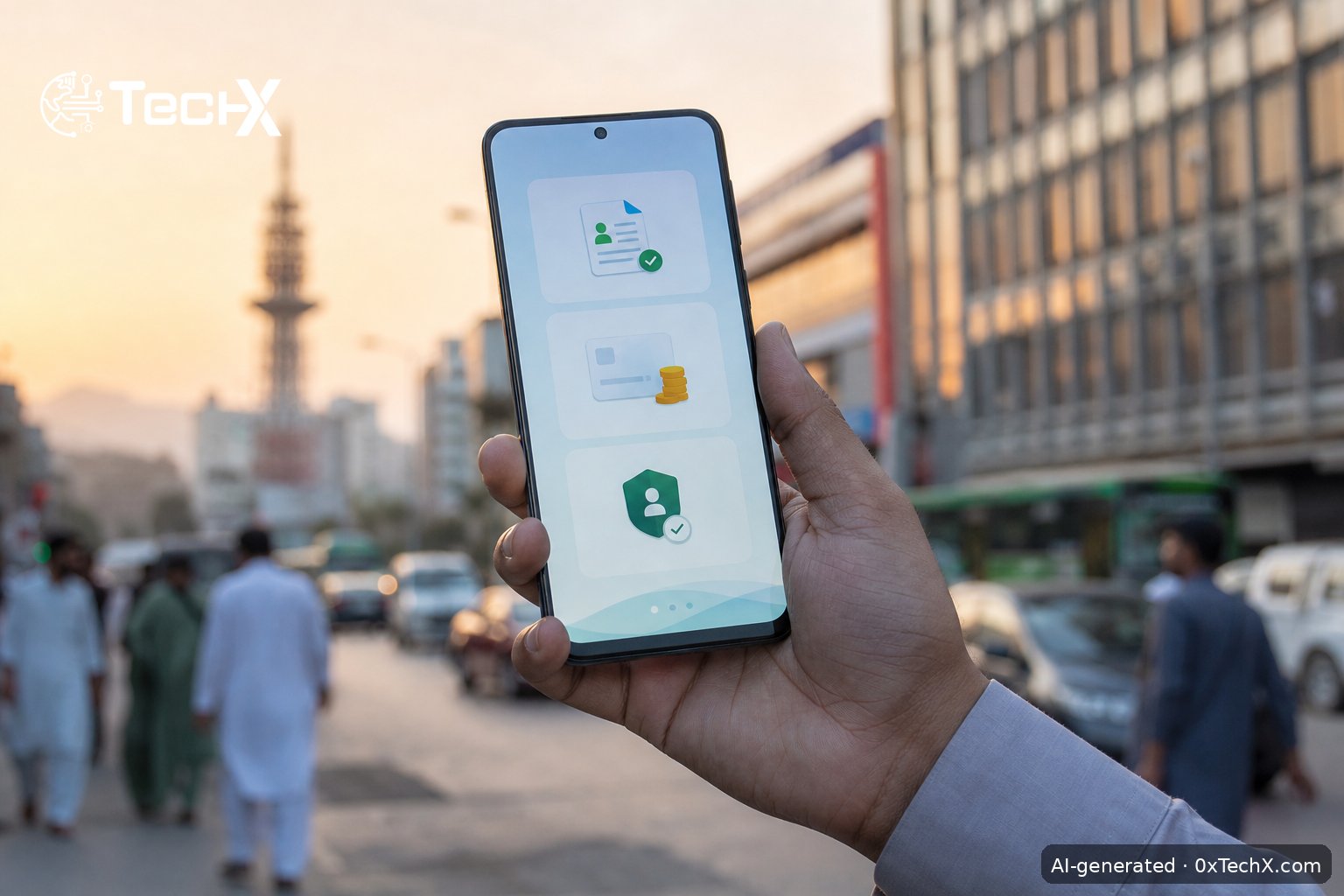
Right now, Pakistanis must use different apps, websites, and counters to access public services. You might use one portal for NADRA documents, another for FBR tax filings, and a third for utility bills. The Pakistan government super app aims to fix that by putting everything under one roof.
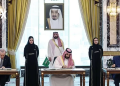
The announcement came out of a performance review meeting of the Ministry of Information Technology and Telecommunication, chaired by PM Sharif in Islamabad. Officials told the meeting that Alibaba is developing a comprehensive super app for the Government of Pakistan under the Strategic Transformative Framework, which will consolidate all public-facing government services onto a single digital platform.
No launch date was given. The PM’s office statement confirmed the project is in development but did not share a timeline, which means citizens should expect more details before they can actually download or use it.
Why Alibaba? The Strategic Transformative Framework
Pakistan and Alibaba have been working together under a Strategic Transformative Framework for some time. This framework covers digital trade, cloud services, e-commerce, and now the Pakistan government super app project. Alibaba brings experience from China, where super apps like Alipay have reshaped how hundreds of millions of people interact with both businesses and government bodies.
The idea is to give Pakistan a similar model, one app, one login, and access to dozens of services. Think of paying your electricity bill, checking your property tax, booking a driving test slot, or tracking a passport application all from the same screen. For a country where long queues and slow paperwork are still common, this could genuinely save citizens time and money.
If you are interested in how Pakistan’s digital economy is growing alongside this, our earlier piece on DigiSME Pakistan’s first 100 days training small businesses with Alibaba shows how deep the Pakistan-Alibaba partnership already runs.
5G Network Upgrades Reach 86 Cities
The second major update from the 25 November meeting is on 5G Pakistan progress. Telecom operators have completed network upgrades in 86 cities as part of preparations for 5G services, and the government described this progress as satisfactory.
However, there is an important difference between a network upgrade and live 5G service. An upgrade means the hardware and infrastructure in those cities is ready. It does not mean you can switch on your 5G phone today and get 5G speeds everywhere in all 86 cities. Commercial rollout comes after the upgrade phase.
To put this in context, as of late October 2026 there were around 1,782 active 5G sites spread across 24 cities, with coverage limited to selected areas of each city rather than city-wide blanket coverage. The jump to 86 cities with completed upgrades is a significant infrastructure milestone, it means the pipeline is filling up fast.
Cities already on the 5G map include Islamabad, Karachi, Lahore, Rawalpindi, Faisalabad, Peshawar, Quetta, Multan, Gujranwala, Sialkot, Hyderabad and more. The Pakistan Telecommunication Authority (PTA) has not yet published a full list of all 86 upgraded cities, so residents outside the major metros will need to wait for official confirmation.
PM Sharif also directed officials to actively improve internet speeds and connectivity across the country, alongside accelerating digital skills training for young Pakistanis to match global job market needs.
Tech Zones and IT Exports Add to the Picture
The 25 November meeting was not only about the Pakistan government super app and 5G. Officials also briefed PM Sharif on two other important numbers.
First, Pakistan’s IT exports reached USD 4.6 billion by the end of June 2026, with another USD 1.24 billion added in just the July, September 2026 quarter alone. That quarterly figure suggests the annual run-rate is rising fast.
Second, 32 technology zones are under development across seven regional clusters. Of these, 21 are already operational and 11 are still under construction. Around 300 tech companies have set up in these zones, with Rs100 billion in realized investment and a further Rs105 billion in the pipeline. PM Sharif directed that these zones must function strictly as centres of innovation and export growth, and he ordered an independent audit of the ones already running.
What This Means for Everyday Pakistanis
Three things stand out from all of this. First, the Pakistan government super app has real corporate weight behind it, Alibaba is not a startup. Second, the 5G infrastructure groundwork is being laid at scale, even if most people cannot feel it yet on their phones. Third, Pakistan’s digital economy numbers are moving in the right direction.
The gap to watch is execution. Big announcements in Pakistan’s tech sector have sometimes stalled between promise and delivery. The absence of a launch timeline for the super app, and the gap between 86 upgraded cities and actual live 5G access, are both things citizens should track over the coming months.
Frequently Asked Questions
What will the Pakistan government super app do?
It will put all government services, such as documents, tax payments, utility bills and official applications, on a single digital platform. Citizens will be able to access everything from one app instead of using many different portals and counters.
When will the Pakistan government super app launch?
No date has been announced. The PM’s office confirmed on 25 November 2026 that Alibaba is developing it under the Strategic Transformative Framework, but the official statement did not include a release timeline.
Does 5G network upgrade mean 5G is live in those 86 cities?
Not yet. A network upgrade means the telecom hardware is ready in those cities. Commercial 5G service, where your phone can actually use 5G speeds, comes after the upgrade phase is complete and operators formally launch service in each area.
Which cities already have active 5G in Pakistan?
As of late October 2026, 5G sites were active in 24 cities including Islamabad, Karachi, Lahore, Rawalpindi, Faisalabad, Peshawar, Quetta, Multan, Gujranwala, Sialkot, Hyderabad, and several others. Coverage within those cities is still limited to selected zones, not full city-wide service.