
Pakistan and the United States have long shared a belief that education shapes destiny. Through the STEMpowered project, this belief took living form. Led by the U.S. Mission in Pakistan and Vanderbilt University, the initiative aimed to strengthen science, technology, engineering, and mathematics learning through practical methods rooted in global experience and shared academic wisdom.
Building Skills Through Partnership
The STEMpowered project carried a value of 294,000 dollars and focused on sharing American teaching skill. Faculty from Sukkur IBA University joined a week long program at Vanderbilt in Tennessee. They explored modern STEM teaching practices, research ideas, artificial intelligence in education, and solutions to everyday classroom problems faced by teachers across diverse learning settings nationwide.
Learning Comes Together in Karachi
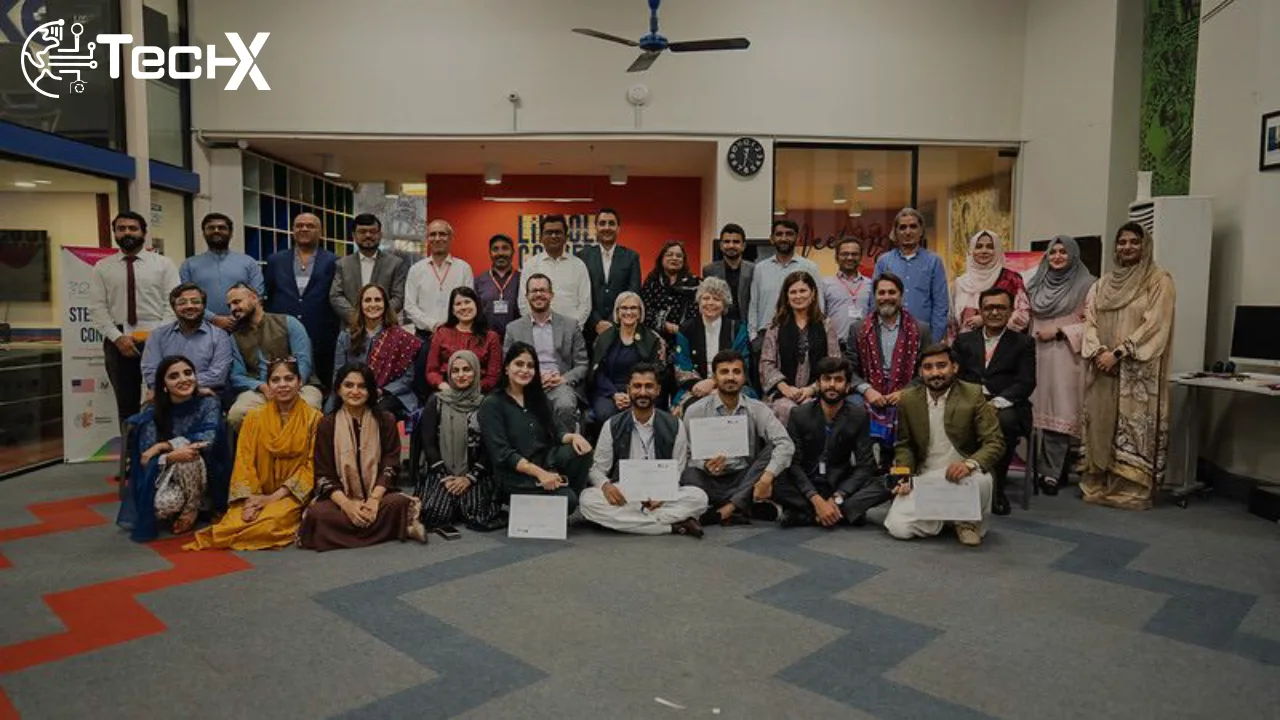
To close this learning journey, the U.S. Consulate General in Karachi hosted a four-day workshop. Vanderbilt Peabody College partnered in this effort, bringing experts together. Thirty Pakistani STEM educators, university faculty, and students joined interactive sessions, shared ideas, practiced new methods, and formed strong professional links that continue beyond borders and academic calendars globally.
Stronger Institutional Bonds
An important outcome of the program was trust between institutions. Faculty from Aga Khan University also took part, widening the circle of cooperation. The United States reaffirmed its leadership in global STEM education by supporting shared learning. Participants worked together to design tools that can guide classrooms across Pakistan with clarity, quality, fairness, and impact.
Tools for Nationwide Improvement
The project produced two key results for future use. A STEM Toolkit and a Curriculum Quality Assurance Framework were created. These resources reflect tested American best practices while respecting local needs. They offer guidance for teachers, planners, and schools, helping improve lessons, assessments, and student engagement nationwide through structured planning, shared values, and measurable outcomes.
Real Change in Classrooms
A pilot study in selected Sindh classrooms showed powerful change. Using low cost and inquiry based methods, students felt more confident while experimenting. Confidence levels rose by 60% to 80%. Teaching that respected culture also encouraged girls, raising their participation and leadership in STEM subjects by over 30% across diverse schools and communities.
A Bridge to the Future
The STEMpowered initiative stands as a bridge between tradition and tomorrow. It shows how shared knowledge can reform systems with care and rigour. By blending American expertise with Pakistani insight, the partnership opens paths for lasting innovation. To witness this journey in action, watch the official Video highlighting collaboration, learning, and hope for future classrooms.