
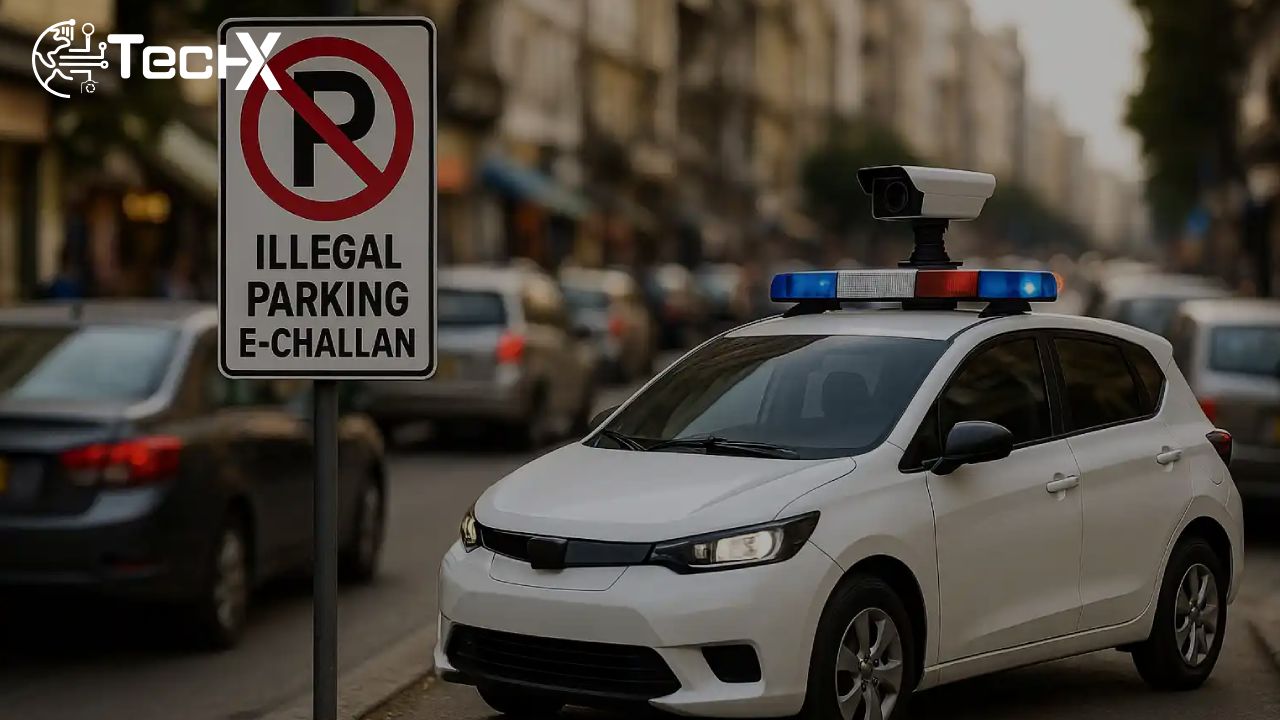
Karachi has started a new digital system to stop illegal parking on two very busy roads. The city is using special robot cars that move slowly and watch every vehicle with sharp cameras. These cars send instant e-challans to anyone who parks in a no-parking area. This step aims to ease traffic flow and bring order to places where crowds and cars often mix and cause delays.
How the System Works
The robot cars patrol Saddar and Tariq Road, two well-known commercial areas where traffic congestion is a common issue. They use high-precision cameras to record cars that break parking rules. Once a car is found parked incorrectly, the system generates an e-challan immediately. This method replaces the old manual ticketing, which was slow and often caused confusion during busy hours.
Benefits for the City
Officials say the new system will improve traffic management and support smoother movement. With robot cars working nonstop, enforcement becomes steady and fair. Drivers will also think twice before parking carelessly. The technology helps reduce human delays, allowing police teams to focus on bigger tasks. It is part of Karachi’s wider plan to modernize its transport system in simple and smart ways.
Also Read: Karachi Enforces New Mandatory Helmet Rule Under AI Traffic System
Government Review of Fines
While the new system begins, the Sindh government is also checking the current e-challan fine rates. Many people have said some fines feel too high. Because of this, officials are now discussing changes that could lower penalties in several categories. A final plan will be made after meetings between police and provincial teams, aiming to create a fair and balanced fine structure.
Future Expansion
The first phase covers only two important roads, but more areas may be added soon. If the robot-car project shows good results, the system could expand to other busy routes. This will help Karachi control traffic in more places and reduce congestion that affects daily life. The city hopes these steps will guide long-term improvements and bring safer and smoother travel for everyone.