

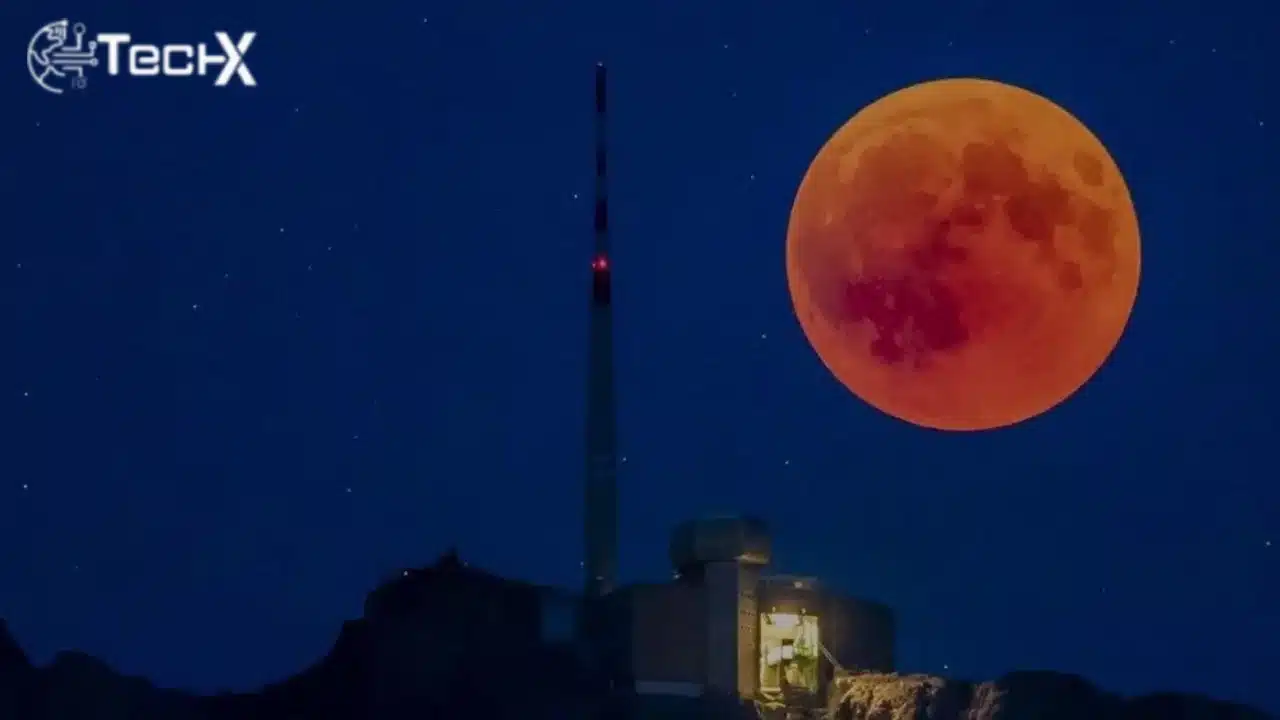
A spectacular total lunar eclipse will grace Pakistan’s skies on September 7, 2025. The event will also be visible in several Arab nations, including Saudi Arabia. Majid Abu Zahra, head of the Saudi Astronomical Society, confirmed the phenomenon. The Moon will pass through Earth’s shadow, turning a striking reddish-yellow hue. This rare celestial event is a must-see for astronomy enthusiasts.
Timing and Visibility in Pakistan
The eclipse will begin at 8:28 PM (local time) with the penumbral phase. The partial eclipse follows at 9:27 PM, with totality starting at 10:31 PM. Maximum coverage occurs at 11:12 PM, ending at 11:53 PM. The final penumbral phase concludes by 1:55 AM on September 8. All stages will be visible across Pakistan, weather permitting.
Global Visibility of the Eclipse
Apart from Pakistan, the eclipse will be seen across Asia, Europe, Africa, and Australia. Saudi Arabia will witness the entire event, unlike the March 14 eclipse, which was not visible there. This widespread visibility makes it a major astronomical event. Clear skies will ensure optimal viewing for millions of spectators worldwide.
Why the Moon Turns Red
During totality, the Moon takes on a reddish glow, earning it the nickname “Blood Moon.” This occurs because Earth’s atmosphere scatters sunlight, filtering out blue light and allowing red wavelengths to reach the Moon. The exact shade depends on atmospheric conditions. This natural phenomenon offers a breathtaking visual spectacle without requiring special equipment.
Also Read: Govt To Shut Down 27 Famous YouTube Channels After Court Order
How to Watch the Eclipse Safely
Unlike solar eclipses, lunar eclipses are safe to view with the naked eye. No protective gear is needed. However, binoculars or telescopes can enhance details of the Moon’s surface. For the best experience, find a dark location away from city lights. Cloudless skies will provide the clearest view of this mesmerizing event.
Significance for Astronomy Enthusiasts
This eclipse presents a unique opportunity for stargazers and photographers. The prolonged totality allows ample time to observe and capture the Moon’s transformation. Amateur astronomers can study Earth’s shadow and the Moon’s changing colors. Schools and observatories may organize viewing events to educate the public about lunar phenomena.
Weather Conditions and Viewing Tips
Clear weather is crucial for optimal eclipse visibility. Check local forecasts beforehand. If clouds obstruct the view, live streams from observatories can be an alternative. Dress comfortably for nighttime viewing and bring a chair or blanket. Patience is key, as the eclipse unfolds over several hours.
Future Lunar Eclipses in the Region
After September 2025, the next total lunar eclipse visible in Pakistan will occur in 2029. Such events are relatively rare, making this year’s Blood Moon particularly special. Staying informed about astronomical schedules ensures you never miss these celestial wonders.
Conclusion: A Must-See Celestial Event
The September 7 Blood Moon promises a stunning display for Pakistan and neighboring regions. Mark your calendars and prepare for an unforgettable night under the stars. Whether you’re an avid astronomer or a casual observer, this eclipse is a rare chance to witness the beauty of our solar system in action. Don’t miss it!