
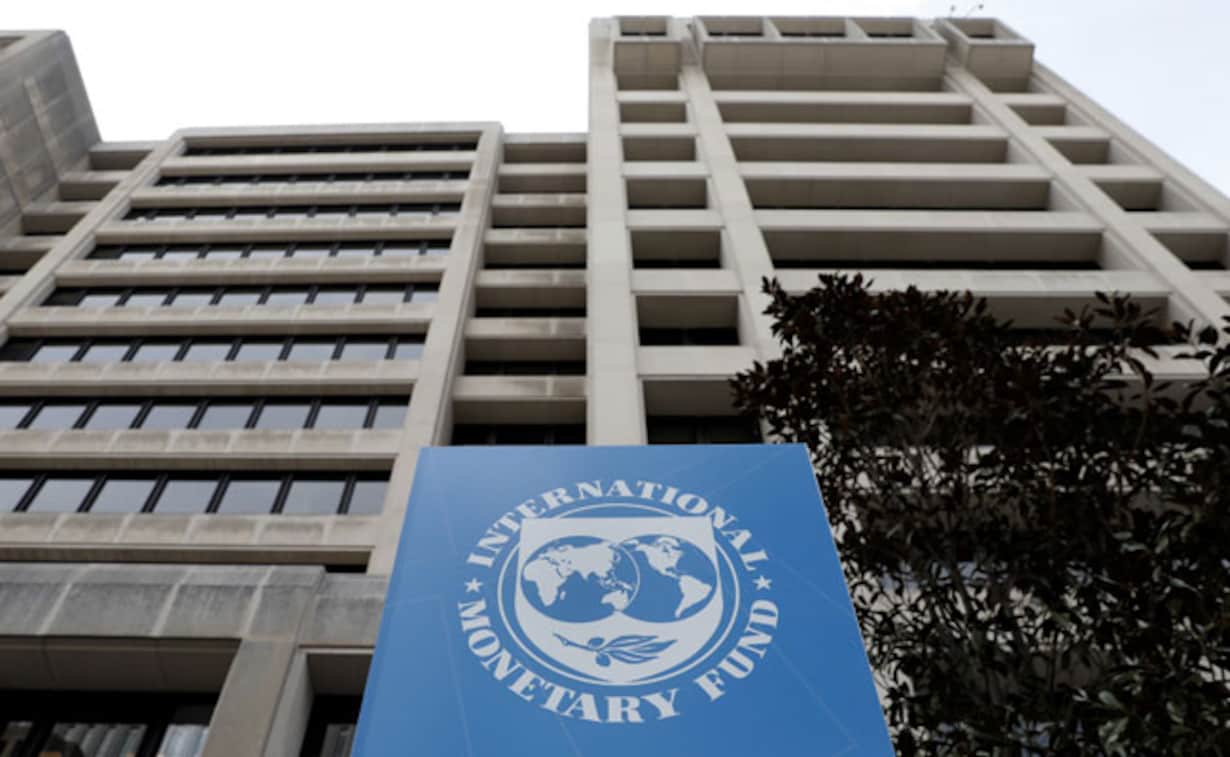
Pakistan, which is in the midst of a financial crisis, and the International Monetary Fund (IMF) are at odds over an unfinished loan program that is necessary for the ongoing financial collapse.
Both parties have been negotiating since early February on a loan deal that would release USD 1.1 billion to the 220 million-person nation with nuclear weapons, and it is extremely important for the country’s cash-strapped economy.
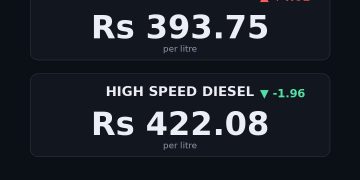
The government of Pakistan has implemented a number of economic changes, including tax increases, fuel price increases, and other changes required by the lending institution to get the loan.
The money is a component of a USD 6.5 billion bailout package that the IMF authorized in 2019 and which Pakistan needs to avoid defaulting on its external debt.
But, the cash-strapped nation hasn’t yet received any funding.
IMF New Demand to Resume Loan Program
According to a blog website article, the IMF has now requested assurances about external financing from Islamabad before it moves forward with Pakistan to disburse the loan.
Addressing a press briefing, Julie Kozack, the IMF’s Director of Strategic Communications said, “Timely financial assistance from external partners will be critical to support the authorities’ policy efforts and ensure the successful completion of the review (with Pakistan).”

“Ensuring that there is sufficient financing to support the authorities is the paramount priority. A Staff Level Agreement (SLA) will follow once the few remaining points are closed. We do need to ensure that we have those financing assurances in place in order for us to be able to take the next step with Pakistan,” she added.
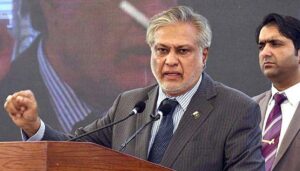
The financial organization wants Pakistan to receive a guarantee of up to USD 7 billion to cover the balance of payments shortfall in current fiscal year. Ishaq Dar, the minister of finance, has stated that it should be close to $5 billion.
According to a Local News channel, the agreement will also open up additional bilateral and multilateral funding options for Pakistan, helping to restore its foreign exchange reserves, which have been reduced to only four weeks’ worth of import coverage.
Kozack was further asked about the status of talks with Pakistan. She replied, “discussions were ongoing between IMF staff and the Pakistani authorities toward an SLA on policies to complete the ninth review of Pakistan’s extended Fund Facility (EFF).”
“Pakistan’s economy faces multiple challenges, including slowing growth, high inflation, and large financing needs. And of course, this is all coming on the back of devastating floods,” she asserted.
Pakistan is in critical need of the IMF’s approval to distribute a USD 1.1 billion tranche from a USD 6.5 billion bailout agreed upon in 2019. With only enough foreign reserves to cover around four weeks of necessary imports.
To read our blog on “2023 Elections are not linked with bail-out package, IMF,” click here.