
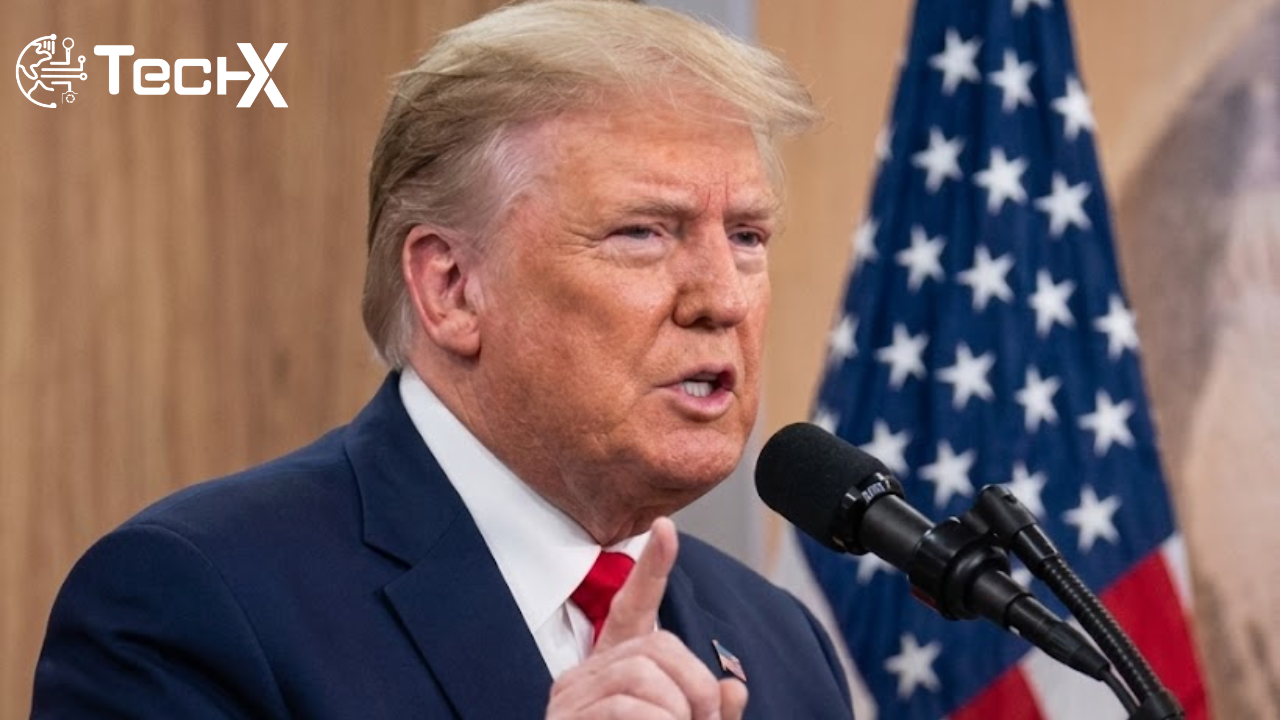
On April 23, 2026, President Donald Trump announced a significant diplomatic achievement by securing a three-week extension of the ceasefire between Israel and Lebanon. This agreement was reached following an intensive second round of negotiations held at the White House, involving the ambassadors of both nations. The extension serves as a critical “cooling-off” period, aimed at preventing a full-scale regional war and providing a window for more permanent peace deliberations.
Strengthening Lebanese Sovereignty
A primary focus of this ceasefire extension is to empower the Lebanese government and its official military. President Trump emphasized that the United States is committed to supporting Lebanon so that it can “protect itself from Hezbollah,” the militant group that has long operated independently within Lebanese borders. By strengthening the central government in Beirut, the U.S. hopes to create a stable partner capable of maintaining long-term security along the southern border with Israel.
Involvement of High Level Leadership
The announcement has set the stage for an upcoming high-stakes summit in Washington D.C. President Trump indicated his intention to host Israeli Prime Minister Benjamin Netanyahu and Lebanese President Joseph Aoun for direct talks. This potential meeting represents the most serious attempt in years to move beyond temporary truces and toward a formal peace treaty that could redefine the geopolitical landscape of the Levant.
Strategic Military Posture
While diplomacy takes center stage, the ceasefire extension is backed by a massive U.S. military presence in the Eastern Mediterranean. With three American aircraft carriers including the USS George H.W. Bush now stationed in the region, the U.S. is signaling that it will enforce the peace. This “peace through strength” approach is designed to deter any third-party actors or proxy groups from violating the truce and reigniting hostilities during this sensitive negotiation phase.
The Right to Self Defense
Despite the three-week pause, the agreement includes clear provisions regarding national security. President Trump and Israeli officials have clarified that Israel retains the absolute right to defend itself should it face any provocation or incoming fire. This clause is specifically directed at Hezbollah, ensuring that the ceasefire does not leave Israel vulnerable to unconventional attacks while formal diplomatic channels are being pursued.
Broader Regional Implications
The success of this ceasefire extension is closely linked to the administration’s broader Middle East strategy, which includes a naval blockade and heavy economic pressure on Iran. By isolating the conflict in Lebanon from the wider tensions with Tehran, the U.S. aims to stabilize individual borders one by one. The next 21 days will be crucial in determining whether this temporary pause can be transformed into a lasting framework for regional stability.