
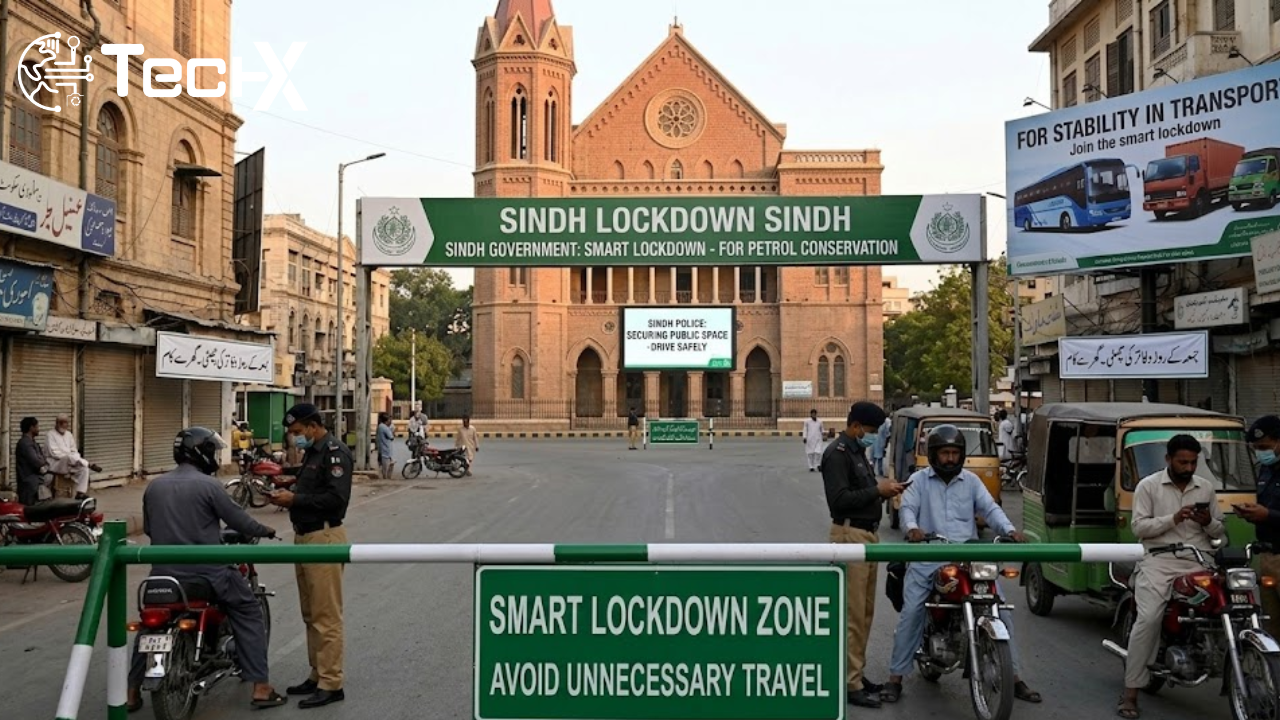
The Sindh government has announced it is considering or enforcing a smart lockdown across the province as a measure to conserve petrol amid rising global fuel prices and supply concerns. This decision comes in response to disruptions in international oil supply linked to ongoing geopolitical tensions in the Middle East.
Statement by Local Government Minister
Sindh Local Government Minister Nasir Hussain Shah has spoken publicly about the situation, warning that if the regional conflict continues for a long period, energy problems could worsen and fuel availability could become more strained. He emphasized the need for unconventional measures to reduce consumption.
Purpose of the Smart Lockdown
According to government spokespersons, the aim of the smart lockdown is not to restrict social interaction like the COVID‑19 lockdowns of the past, but rather to lower petrol consumption by limiting non‑essential travel and reducing road traffic across the province.
What Restrictions Might Be Implemented
Under the proposed smart lockdown plan, schools, colleges, and universities may shift to online classes, while both public and private offices could adopt work‑from‑home policies to help reduce commuting. Traffic reduction efforts are also expected to be part of the strategy.
Essential Services to Continue
Officials have clarified that hospitals, police services, and public transport will be exempt from smart lockdown restrictions so that critical public services remain uninterrupted. A public notification is expected soon to confirm the final list of sectors and restrictions.
Previous Austerity Measures
This smart lockdown proposal follows earlier provincial austerity steps, including massive cuts in fuel allocations for government vehicles reportedly reduced by around 60% and appeals to citizens to limit unnecessary travel as part of broader fuel conservation efforts.
Government Ongoing Review
Daily meetings chaired by senior Sindh leaders, including Chief Minister Murad Ali Shah, continue to assess the situation and update policies. The government has been monitoring fuel consumption closely and planning additional measures should the crisis deepen