

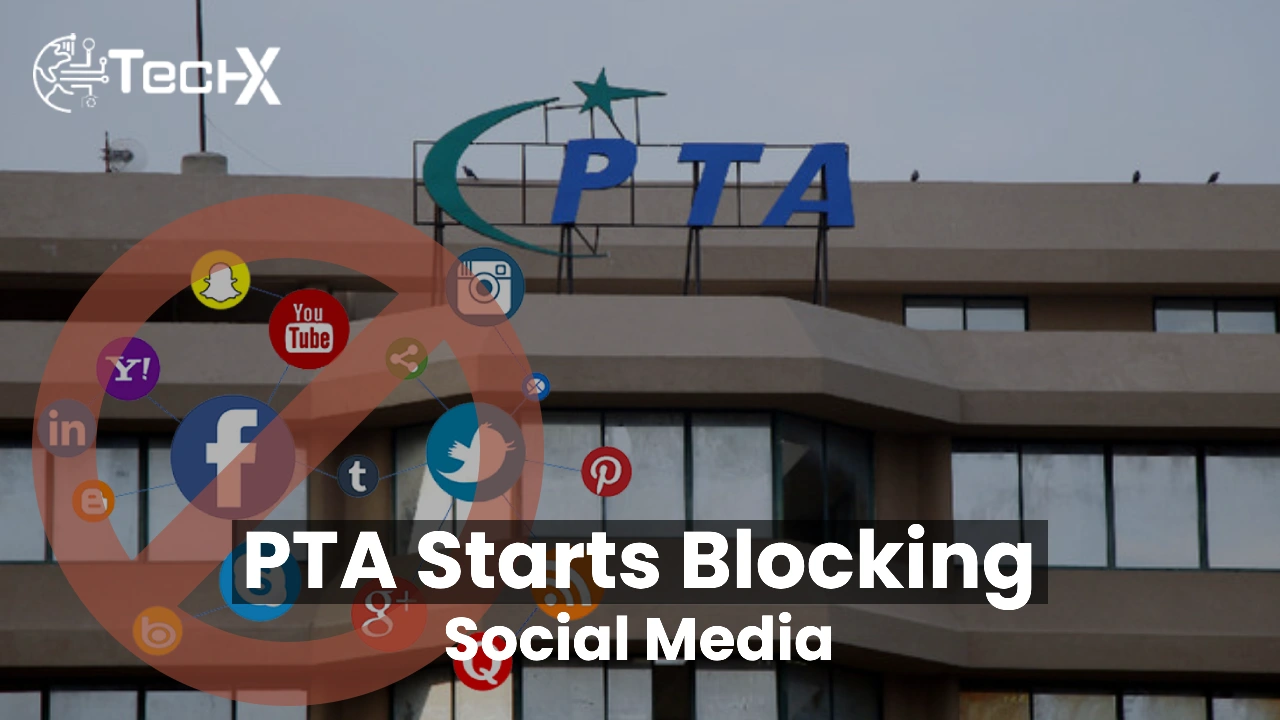
In a move that has sparked widespread controversy and debate, the Pakistan Telecommunication Authority (PTA) has initiated a process to Blocking Social Media Content and various websites through a newly implemented web monitoring system. This measure aims to control and censor digital content that is deemed inappropriate or harmful, but it raises significant concerns about digital rights, privacy, and freedom of expression among internet users in Pakistan.
Impact of PTA Web Monitoring
The implementation of the web monitoring system by PTA has led to an immediate impact on the accessibility of information and freedom of expression online. Critics argue that such actions may curtail the vibrant digital landscape in Pakistan and stifle the democratic discourse that social media platforms facilitate. This move is seen as a step back for digital freedom in a country where the internet is a crucial platform for social and political engagement.
Censorship by Pakistan Telecommunication Authority
The censorship enforced by the PTA is not without precedent, but the scale and opacity of the current measures are unprecedented. The lack of transparency about which websites or content are blocked has led to accusations of arbitrary censorship. Activists and digital rights advocates are particularly concerned about the potential misuse of such a system to suppress dissent and control public narrative.
Online Freedom and Privacy Concerns
One of the most pressing issues raised by the new monitoring system is the question of online freedom and privacy. Users fear that their personal data may be compromised or that their online activities might be surveilled without adequate legal oversight. Online freedom and privacy concerns have peaked, with citizens calling for clearer regulations and standards to protect individual rights without compromising security.
Public Reaction to PTA Web Censorship
The public reaction to PTA web censorship has been overwhelmingly negative. From social media campaigns to public protests, citizens and advocacy groups have mobilized to voice their opposition. The backlash reflects a growing consciousness about digital rights among the Pakistani populace and a robust demand for more accountable governance in digital policymaking.
Legal Challenges to Web Monitoring Systems
In response to the PTA’s actions, several legal challenges have been mounted by human rights organizations and legal advocates. These challenges question the constitutionality of the web monitoring system, arguing that it infringes on the guaranteed freedoms under Pakistan’s constitution. Legal challenges to web monitoring systems highlight the tension between national security measures and personal freedoms.
Implications for Internet Users in Pakistan
For everyday internet users in Pakistan, the new monitoring system presents a landscape of uncertainty. With reports of arbitrary blocks and a lack of clear recourse for unjust censorship, users are finding it increasingly difficult to navigate the internet freely. The situation underscores the need for a balanced approach that considers both the security concerns and the rights of users.
Conclusion – PTA to Start Blocking Social Media
The decision by PTA to start blocking social media content and websites through a controversial web monitoring system has opened up a complex debate about security, freedom, and privacy in the digital age. While the intentions behind this move may be rooted in security, the execution and implications highlight a delicate balance that needs to be struck. Moving forward, it is imperative for stakeholders to engage in a transparent, inclusive dialogue to ensure that Pakistan’s digital policies uphold democratic values and protect individual freedoms.
FAQs
What is the purpose of the PTA’s web monitoring system?
The PTA’s web monitoring system is designed to censor content deemed inappropriate or harmful, aiming to protect users and ensure national security compliance.
How can users challenge or inquire about blocked content by PTA?
Users can submit complaints directly to the PTA via their official website or seek legal recourse through the courts if they believe their rights have been infringed.