
Pak ID app SIM issuance is now a real and active project. The Pakistan Telecommunication Authority (PTA) confirmed on August 7, 2026, that it is working with NADRA to let citizens get new SIM cards through NADRA’s Pak ID digital platform, completely from home, with no visit to a shop or service center needed.
What the Pak ID App SIM Plan Actually Involves
The PTA Chairman shared this update during a Senate Standing Committee on Cabinet Secretariat meeting chaired by Senator Rana Mahmood-ul-Hassan. The briefing covered telecom reforms and digital services. Right now, getting a SIM in Pakistan means going to a retailer or service center, handing over your CNIC, and placing your fingers on a biometric scanner. The new plan changes all of that.
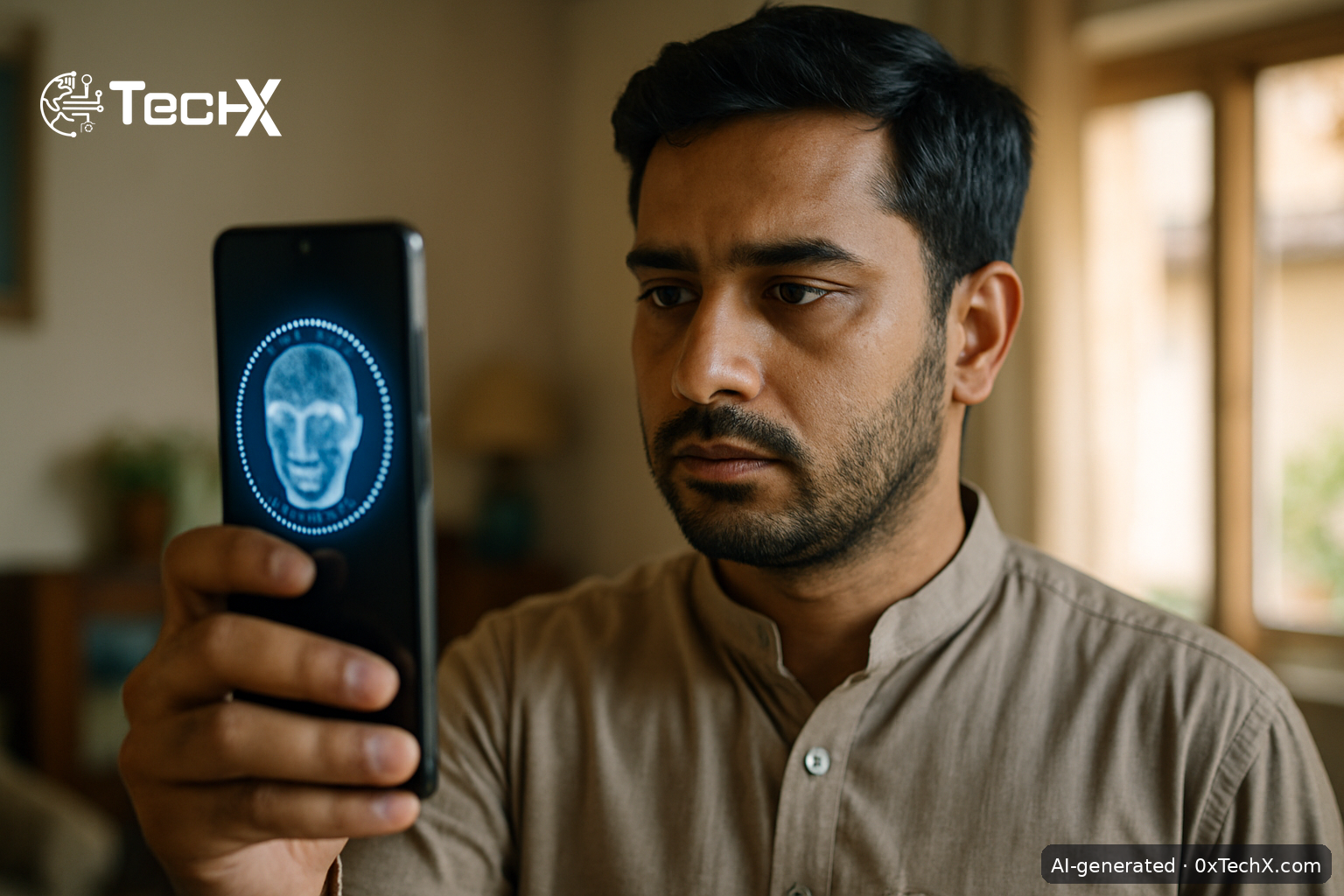
Two separate proposals are on the table. The first would let users get a SIM directly through NADRA’s Pak ID mobile app using facial recognition to verify their identity remotely. The second would let users verify through their own mobile operator’s app, with identity checks still running through NADRA’s database in the background. Both approaches remove the physical shop visit entirely.
PTA’s existing biometric verification framework already connects telecom operators to NADRA’s national identity database. The new plan essentially extends that same connection to your personal smartphone, so the SIM verification happens in your hand rather than at a retailer’s counter.
Why PTA Is Pushing for This Change Now
The timing is not random. In July 2026, PTA fined all mobile network operators a combined Rs 740 million (roughly $2.7 million) after finding serious failures in how SIMs were being issued. Investigations found that biometric checks were not properly supervised, liveness detection was bypassed, and SIMs were activated without genuine consent from the person named on the CNIC. Those are not small problems. Pakistan currently has 210 million active SIMs, and each one is tied to a citizen’s national identity. A weak link in that chain is a security risk for every service that uses SIM-based verification, including mobile banking.
The fines sent a clear signal: the old way of issuing SIMs at thousands of retail points, relying on franchisees to enforce rules, is not working well enough. Moving verification into a government-controlled app tightens that chain significantly. Since all verification flows through NADRA’s own platform, it becomes much harder for a fraudulent SIM to slip through.
A Problem That Goes Beyond Fraud
There is a second, less-discussed reason for this shift. Many Pakistanis genuinely cannot complete fingerprint verification because their fingerprints are too faded or worn. Senior citizens, manual laborers, people with certain medical conditions, and amputees often fail the standard fingerprint scan repeatedly. Around 70,871 SIMs have already been issued through a special alternative process for such cases, using NADRA letters or medical certificates. The Pak ID app’s facial recognition option would replace that slow, paper-based workaround with a clean digital one.
The Senate committee has also asked PTA to look at iris scanning as an additional option, which would cover even more edge cases where neither fingerprints nor a facial scan work well.
Where Things Stand Right Now
The good news is that the technical groundwork is already done. A proof-of-concept for facial verification through the Pak ID app has been completed successfully. Mobile operators have finished the technical preparations needed on their side to support the system. What is still missing is NADRA’s formal regulatory approval to open up the Pak ID platform for SIM-related verification at scale. PTA has officially requested that approval and has recommended the government direct NADRA to grant it.
Once that approval comes through, telecom companies will be able to issue SIMs using facial verification both at their customer service centers and, eventually, through fully remote digital channels. The Pak ID app already supports fingerprint scanning through your phone’s camera and facial verification using the front camera, so the underlying technology is there.
It is worth understanding what the Pak ID platform already does. NADRA built it as a full digital identity service, letting citizens apply for CNIC renewals, new NICOPs, and other documents without stepping into a registration office. Adding SIM issuance to its capabilities is a natural next step.
What This Means for Ordinary Pakistanis
If the plan goes ahead, getting a SIM will feel a lot like getting a mobile bank account today: open an app, verify your face or fingerprint through your phone’s camera, and done. You would no longer need to find a retailer, carry your original CNIC, queue up, or risk a failed fingerprint scan at the counter.
For people in smaller cities or rural areas with limited telecom franchise coverage, this could be a big practical improvement. It also matters for overseas Pakistanis who need a local SIM while visiting but find service centers difficult to access quickly.
The fraud prevention angle matters too. Since the verification stays within NADRA’s secure ecosystem rather than being handled by a shop employee at a third-party counter, the chances of a SIM being issued on someone else’s identity drop considerably. That is good for everyone who uses their SIM for digital payments, two-factor authentication, or mobile banking.
Frequently Asked Questions
Can I get a SIM through the Pak ID app right now?
Not yet. The system is still in the approval stage. PTA has requested NADRA’s formal sign-off and technical coordination with telecom operators is ongoing. A public launch date has not been announced.
What is the Pak ID app and who can use it?
The Pak ID app is NADRA’s official mobile platform for identity services. It is available for free on both Android and iOS. Pakistani citizens can use it to apply for CNIC renewals, NICOPs, and other documents using fingerprint or facial biometric verification through their smartphone camera.
Will fingerprint verification still be an option, or will it be facial only?
Both. PTA has formally requested NADRA to allow fingerprint and facial biometric verification through the Pak ID app. Either method will work depending on what the user can complete successfully.
Why did PTA fine telecom operators in July 2026?
PTA fined all mobile operators a combined Rs 740 million after investigations found that biometric checks during SIM issuance were poorly supervised, liveness detection was bypassed, and SIMs were activated without real consent from account holders. The fines were a direct response to systemic weaknesses in the existing retail-based SIM issuance process.