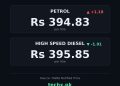

Federal Finance Minister Muhammad Aurangzeb has warned that petroleum prices in Pakistan may rise in the coming days. The warning comes amid ongoing pressure from global oil markets, which directly affect the cost of imported fuel in the country. Officials stressed that while a price hike is not officially confirmed, consumers should be aware of potential changes.
Impact of Global Oil Market Trends
Pakistan relies heavily on imported crude oil and petroleum products. Fluctuations in international oil prices, influenced by tensions in oil-producing regions and global supply-demand dynamics, have a direct impact on domestic fuel costs. Rising global prices can increase Pakistan’s import bill and potentially lead to adjustments in local petrol and diesel rates.
Statement from the Finance Minister
During a briefing to the Senate Standing Committee on Finance, Finance Minister Muhammad Aurangzeb highlighted that the government is closely monitoring the situation. He noted that continued volatility in international markets could push domestic petroleum prices higher, though no formal increase has yet been implemented.
Economic and Consumer Implications
A rise in petroleum prices would affect not only transportation and logistics costs but also the prices of essential goods and services. Higher fuel costs contribute to inflation, affecting household budgets and overall economic stability. Businesses and ordinary citizens alike would feel the impact if prices were adjusted.
Government Monitoring and Policy Measures
Authorities have emphasized that the government is actively evaluating market conditions and exploring options to minimize the impact on consumers. While global oil prices largely determine domestic fuel rates, policymakers continue to consider strategies to provide relief and maintain energy stability for the country.