
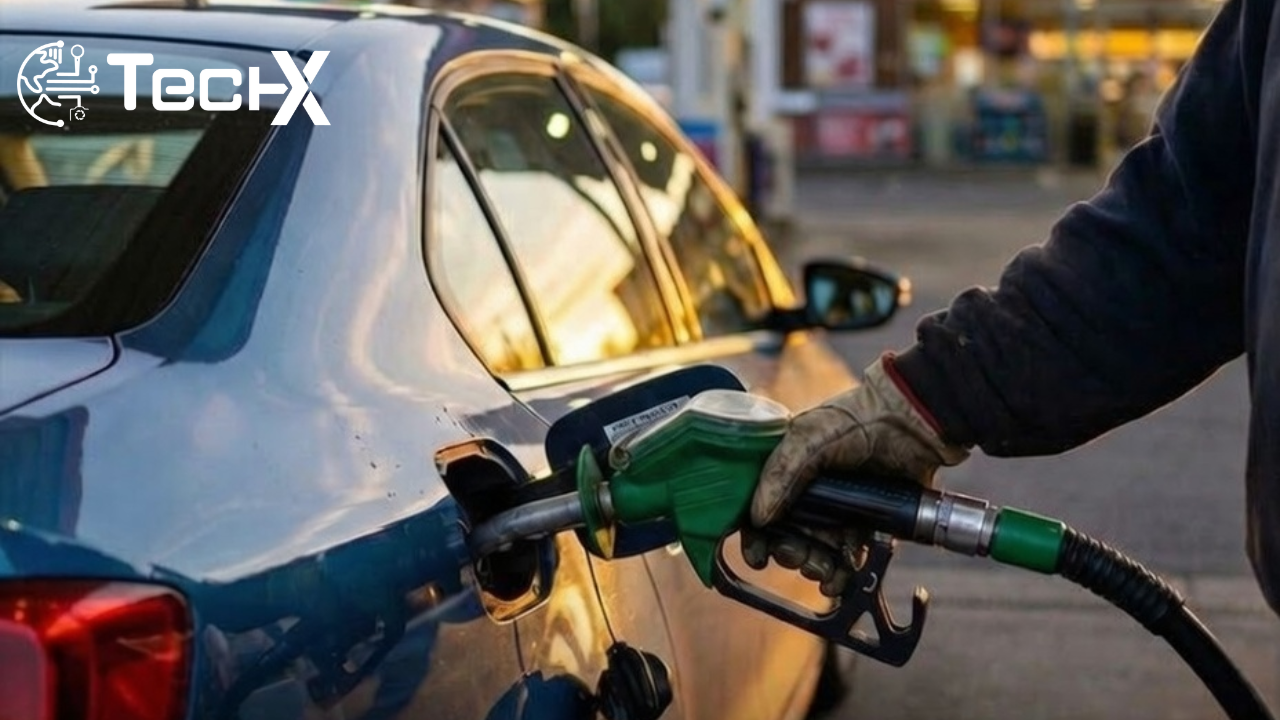
Recent tensions in the Middle East involving Israel, United States, and Iran have raised global concerns about oil supply disruptions. The situation has become more serious due to the potential closure of the Strait of Hormuz, one of the world’s most important oil transit routes. Any disruption in this area can significantly impact global oil prices and energy markets.
Pakistan Considering Weekly Fuel Price Review
In response to the uncertain global oil market, Pakistan’s authorities are considering shifting from the current fortnightly fuel price adjustment system to a weekly review mechanism. This step would allow the government to respond more quickly to international oil price fluctuations and maintain stability in the local market.
Preventing Fuel Hoarding by Dealers
One of the key reasons behind the proposed weekly pricing system is to prevent fuel hoarding. Authorities fear that petrol pump owners might stockpile fuel if they anticipate a significant price increase. By reviewing prices every week, the government hopes to discourage such practices and ensure continuous availability of petroleum products for consumers.
Possible Increase in Petrol and Diesel Prices
According to sources, if the regional tensions continue, petrol prices in Pakistan could increase by up to Rs20 per litre. Diesel prices may rise even more, potentially reaching an increase of Rs45 per litre. Such increases could affect transportation costs, agriculture, and overall inflation across the country.
Current Petroleum Reserves in Pakistan
During a briefing to the Senate Committee on Finance, Pakistan’s Finance Minister Muhammad Aurangzeb stated that the country currently has petrol and diesel reserves sufficient for about 28 days. He reassured lawmakers that there is no immediate shortage of oil and gas and that the government is closely monitoring the situation.
Government Measures for Energy Conservation
The government, under the leadership of Prime Minister Shehbaz Sharif, has formed a special committee to monitor petroleum supplies daily. Authorities are also considering energy conservation measures similar to those implemented during the COVID-19 period. These steps aim to ensure that fuel supplies remain stable and that Pakistan can manage the impact of ongoing regional tensions.