
PAPS 2026 EV launches are happening all at once this week, and for anyone watching Pakistan’s car market, the timing could not be more significant. The 21st Pakistan Auto Show opens on September 18 in Lahore, and for three days the country’s biggest new-energy vehicle reveals will happen under one roof. This is not a single-car launch; it is a weekend that will reset price expectations, open fresh booking queues, and show buyers just how far Pakistan’s EV showroom landscape has moved in twelve months.
What Is PAPS 2026 and Why Does It Matter for EVs
The Pakistan Association of Automotive Parts and Accessories Manufacturers (PAAPAM) has organised the 21st edition of the Pakistan Auto Show, scheduled for September 18 to 20 at the International Expo Centre Lahore. The theme for this edition is “Industrial Pakistan,” which highlights the country’s growing focus on industrialisation, localisation, manufacturing excellence and technological advancement.
Organised by PAAPAM, the show is widely recognised as Pakistan’s largest and most influential automotive and parts exhibition, and over the years it has consistently recorded the highest number of exhibitors and the largest public footfall. Previous editions drew hundreds of exhibitors and hundreds of thousands of visitors across three days, making it the one event where an OEM’s launch announcement reaches the widest possible Pakistani audience in one go.
PAPS 2026 EV Launches: The Chery Q and What We Know
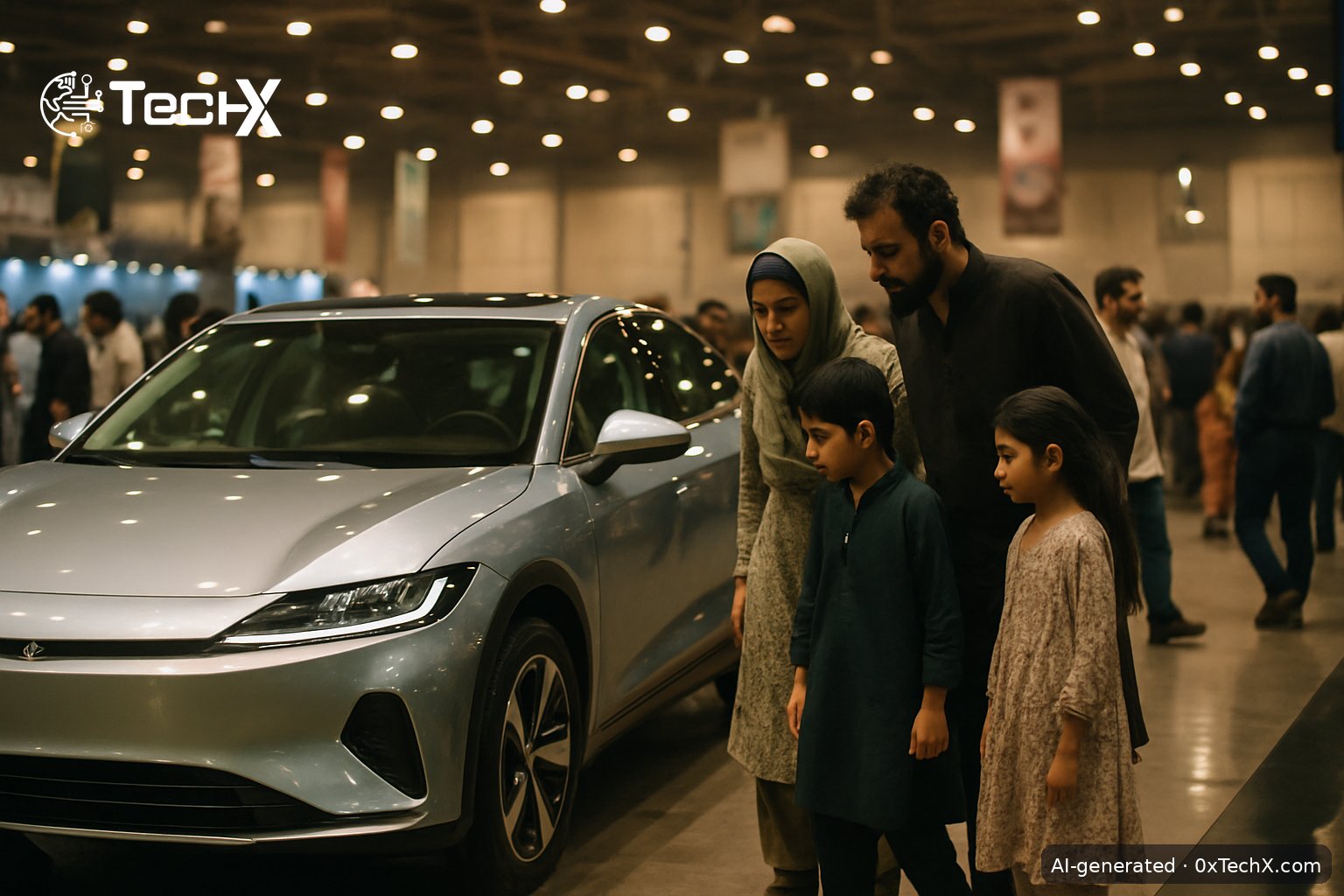
The most talked-about PAPS 2026 EV launch heading into this week is the Chery Q. Chery Master Pakistan is set to expand its new-energy vehicle portfolio with the all-electric Chery Q at PAPS 2026 on September 18, as electric vehicles continue to gain ground in the country’s automobile market.
The Chery Q is powered by a 42.7 kWh battery offering a claimed driving range of up to 400 kilometres under the NEDC cycle and efficiency of up to 9.4 kilometres per unit. The vehicle measures 4,195 mm in length and has a 2,700 mm wheelbase, providing a compact footprint while maintaining relatively spacious interior dimensions. It will also feature Level 2 Advanced Driver Assistance Systems (ADAS) with 21 assistance functions.
The company will announce the vehicle’s price and open bookings at the auto show, positioning the Chery Q as an urban-focused electric vehicle aimed at consumers looking for a practical additional car for everyday commuting. A 400-kilometre range figure means most city drivers in Lahore, Karachi, or Islamabad should be able to complete a full working week without stopping to charge, which is exactly the everyday use case Pakistani families need before committing to an EV purchase.
The Solar Connection Nobody Else Is Talking About
One angle that sets this particular PAPS 2026 EV launch apart from past reveals is the household solar link. Chery Master Pakistan is seeking to tap into Pakistan’s rapidly expanding rooftop solar market by positioning electric mobility as a way for households to put surplus solar generation to more productive use.
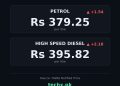
According to estimates from the company, a conventional petrol vehicle driven around 20,000 kilometres annually could consume approximately Rs488,000 worth of fuel, while the annual energy cost of operating the Chery Q for households able to use surplus solar power for charging could fall to approximately Rs30,000. That is a gap of roughly Rs458,000 per year. At current petrol prices, which have been rising steadily through 2026, that saving figure only grows. For millions of Pakistani households who installed rooftop solar panels in 2024 and are sitting on surplus electricity they cannot sell back to the grid, an EV is now a practical battery-on-wheels, not just a green statement.
If you want context on how current fuel prices are moving, see our latest petrol and diesel price update for Pakistan, which shows exactly what filling a tank costs right now.
The Bigger Picture: Pakistan’s NEV Market Is Moving Fast
The launch comes amid rapid growth in Pakistan’s new-energy vehicle market. The NEV segment grew by 392% during FY2025-26 and now accounts for around 15% of the overall automobile market. That is a shift that has happened faster than most analysts expected even eighteen months ago.
Pakistan’s automotive sector is witnessing steady expansion, driven by a growing manufacturing base of OEMs producing cars, tractors, motorcycles, trucks and buses. The industry is also increasingly adopting modern propulsion technologies, including ICE, electric vehicles, hydrogen technologies and alternative natural fuels. PAPS 2026 is where those technologies stop being slides in a boardroom presentation and become bookable cars with a real price tag.
One important thread feeding into this moment is the government’s own push. For more on how policy is shaping EV pricing in Pakistan, read our piece on the Pakistan Auto Policy 2026 and its EV tax relief proposals. Any tax breaks that clear IMF review will directly affect the prices brands announce at PAPS and in Q4 deals.
Also worth watching is BYD. The industry is increasingly adopting modern propulsion technologies including electric vehicles, hydrogen technologies and alternative natural fuels. BYD’s planned assembly presence in Pakistan means locally produced units could arrive at more competitive prices than fully imported vehicles, adding pressure on every brand showing at PAPS 2026 to price sharply.
What PAPS 2026 Means for Q4 Prices
When multiple brands reveal their EVs and hybrids in one weekend, something useful happens for buyers: competitive pressure appears almost instantly. A brand that prices too high on September 18 will watch rivals capture bookings by Sunday. That is the hidden value of a concentrated launch event. The prices announced at PAPS 2026 this week will almost certainly become the reference benchmarks that dealers, importers, and rival OEMs use when setting their own Q4 offers. Buyers who wait until October or November are likely to find those figures as the floor, not the ceiling.
The show also matters for parts makers and allied businesses. The exhibition will feature extensive participation from OEMs, auto parts manufacturers and allied industries, with a strong emphasis on business collaboration, technology exchange and sustainable industry growth. Local parts supply chains for EV components are still early-stage in Pakistan, and every new model that enters mass booking creates demand that pulls local suppliers up the value chain.
Frequently Asked Questions
When and where is PAPS 2026?
PAPS 2026 runs from September 18 to 20 at the Lahore International Expo Centre. The show is open across three days, Friday through Sunday, giving families and industry visitors a full weekend to attend.
Which EV is launching at PAPS 2026?
The confirmed PAPS 2026 EV launch heading into the show is the Chery Q by Chery Master Pakistan. It carries a 42.7 kWh battery with a claimed range of up to 400 kilometres. Its full price and booking terms will be announced at the show itself on September 18.
How big is Pakistan’s EV market right now?
The launch comes amid rapid growth in Pakistan’s new-energy vehicle market. The NEV segment grew by 392% during FY2025-26 and now accounts for around 15% of the overall automobile market. That growth rate places Pakistan among the fastest-moving NEV markets in South Asia at this moment.
Who organises the Pakistan Auto Show?
PAPS is organised by the Pakistan Association of Automotive Parts and Accessories Manufacturers (PAAPAM) and is widely recognised as the country’s largest and most influential automotive and parts exhibition, representing the complete mobility and automotive value chain.