
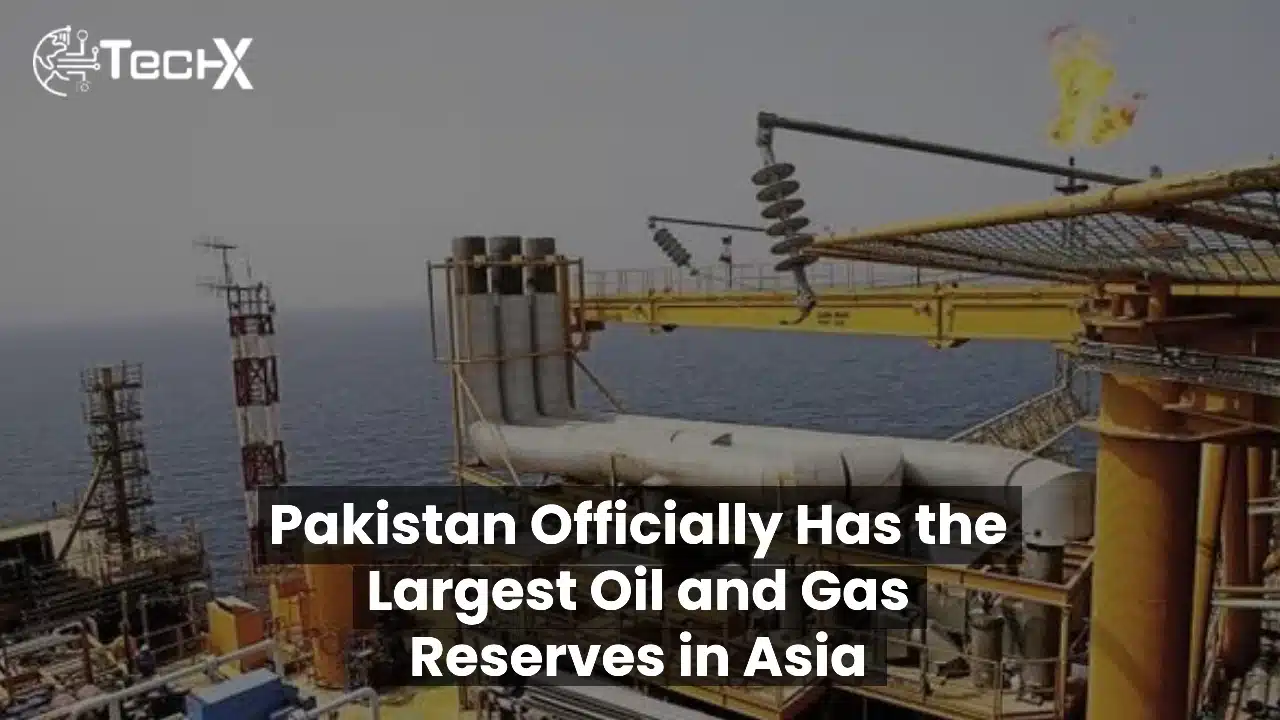
Pakistan has made a monumental discovery, officially establishing it as the nation with the largest oil and gas reserves in Asia. This groundbreaking announcement follows a three-year survey conducted in collaboration with a friendly nation, placing Pakistan’s reserves as the fourth largest globally, surpassing other significant players in the Asian region.
Discovery and Impact
The revelation of having the largest oil and gas reserves in Asia marks a transformative moment for Pakistan. These reserves are projected to substantially enhance the country’s energy resources, potentially ushering in a new era of economic prosperity and stability. The availability of such extensive reserves is expected to propel Pakistan into a new economic trajectory, significantly impacting its development and regional standing.
Economic Benefits
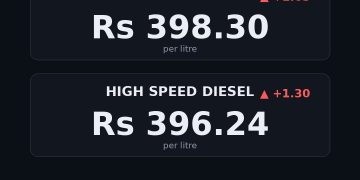
With the discovery of the largest oil and gas reserves in Asia, Pakistan could see a significant reduction in its dependence on energy imports. This shift is poised to stabilize the nation’s energy sector and relieve the economic strain of purchasing foreign oil and gas. The financial implications are vast, potentially saving billions in foreign exchange and bolstering Pakistan’s economy through increased energy self-sufficiency.
Reduction in Energy Imports
The ability to tap into its own oil and gas reserves could transform Pakistan’s energy landscape, decreasing its reliance on imported energy. This strategic advantage could lead to more stable energy prices within the country, promote industrial growth, and provide a buffer against global energy price fluctuations, thereby securing an economic uplift for the nation.
Geopolitical Influence
Owning the largest oil and gas reserves in Asia not only enhances Pakistan’s energy security but also elevates its geopolitical stature. This development could position Pakistan as a key energy market player in Asia, influencing regional energy dynamics and partnerships. Enhanced oil and gas reserves could afford Pakistan greater leverage in regional and international political arenas.
Challenges and Opportunities
While the discovery of the largest oil and gas reserves in Asia presents significant opportunities for Pakistan, it also introduces challenges. The nation will need to invest in infrastructure and technology to effectively extract and utilize these resources. Furthermore, environmental concerns and sustainable management of these oil and gas reserves will be crucial to maximize benefits while minimizing ecological impact.
Strategic Development and Investment
To capitalize on having the largest oil and gas reserves in Asia, Pakistan must develop a comprehensive strategy that includes investment in extraction technologies, infrastructure development, and skilled workforce training. This strategic approach will be essential for converting natural resource wealth into sustainable economic growth.
International Partnerships
The discovery of such significant oil and gas reserves may attract international investment and foster partnerships. Collaborations with experienced global energy firms could accelerate the development of these reserves, bringing advanced technologies and expertise to Pakistan, and potentially setting a foundation for a robust energy export sector.
Long-term Economic Impact
The long-term economic impact of having the largest oil and gas reserves in Asia could be transformative for Pakistan. It has the potential to shift from an energy-importing country to a major exporter, reshaping its economic landscape and providing new revenue streams that could fund further development and social welfare programs.
Environmental Considerations
With the announcement of the largest oil and gas reserves in Asia, Pakistan faces the dual challenge of exploiting these resources responsibly while protecting its environment. Effective environmental policies and cutting-edge technologies will be essential in mitigating the ecological impact of oil and gas extraction. This approach ensures sustainable development, balancing economic benefits with the preservation of Pakistan’s natural landscapes and resources, crucial for future generations.
Conclusion
The discovery that Pakistan now holds the largest oil and gas reserves in Asia is a significant milestone. It promises not only to reshape the country’s energy sector but also to drive economic growth and enhance its geopolitical influence. The strategic management of these reserves will be key in determining how effectively Pakistan can leverage this newfound wealth to ensure long-term prosperity and stability.