Pakistan is grappling with a worsening energy crisis that, according to Federal Minister for Power Sardar Awais Leghari, is impacting not just oil supplies but also gas and furnace oil availability. The minister cautioned that these shortages could soon put pressure on electricity generation costs, potentially leading to higher electricity prices for consumers.
Impact on Multiple Fuel Sources
In a statement shared on the social media platform X, Leghari highlighted that the country’s ongoing energy crunch extends beyond crude oil. Disruptions in gas and furnace oil supplies both crucial for power generation are adding stress to the national energy system. These constraints could push up operational costs for electricity producers, which may eventually be reflected in consumer tariffs.
Government Efforts to Manage the Crisis
The federal government is engaging with provincial authorities to explore measures to mitigate the impact of the shortages. Among the proposals under discussion are adjustments to market operating hours and other energy‑saving initiatives aimed at reducing overall consumption and easing pressure on the grid. Leghari stressed that energy conservation by citizens and businesses can help alleviate the strain.
Balancing Consumer Burden and Market Realities
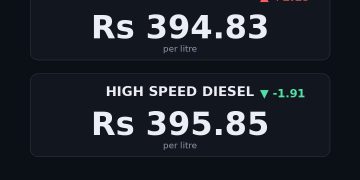
Despite the challenges, the minister maintained that the government is trying to shield the public from added financial burdens. He noted that efforts are underway to manage rising input costs without immediately passing them on to consumers. Still, with recent hikes in petroleum prices, energy officials acknowledge that rising generation costs may be difficult to absorb entirely.
Need for National Conservation Measures
Leghari also urged households and industries across Pakistan to adopt energy‑saving practices. He emphasized that widespread conservation efforts would reduce the demand on limited fuel supplies and lessen the likelihood of sharp increases in electricity tariffs. The government hopes cooperative action will buy more time to stabilize the sector.
Consultations Continue with Provinces
To address the situation comprehensively, consultations between the federal government and provincial administrations are continuing. Officials are expected to finalize a set of recommendations in the coming days that aim to manage energy use while minimizing impacts on citizens and the economy.