Pakistan digital government services are getting a serious push. The government has shortlisted 10 key public services for full online delivery and has already tested a pilot citizen portal, all under the $78 million Digital Economy Enhancement Project (DEEP) funded by the World Bank. Pakistan has shortlisted 10 key public services for digital delivery and developed and tested a pilot citizen services portal under the $78 million Digital Economy Enhancement Project (DEEP).
For ordinary Pakistanis, this matters a lot. Long queues at government offices, lost paperwork, and slow processing times could become a thing of the past, at least for the services that make this first cut.
Who Is Running Pakistan Digital Government Services
The National Information Technology Board (NITB) and the National Database and Registration Authority (NADRA) are leading the work to make government services easier to access and improve secure data sharing between government departments.
According to a document from the Ministry of Information Technology and Telecommunication (MoITT), the initiative aims to give citizens a single digital platform to access government services. Think of it as one front door for the Pakistani state, rather than a different door for every department.
This is part of the wider Digital Nation Pakistan programme. The briefing noted that 130 government services have been digitised under the Digital Nation Pakistan initiative so far, and the 10 newly shortlisted services are the next big batch to come online through the DEEP project specifically.
What DEEP Is Building for Citizens
One Login for Everything
The project has integrated Single Sign-On (SSO) with the National Data Exchange Layer (NDEL). This integration is intended to make it easier for citizens to access connected services through a unified digital system. In simple words, you log in once and you are recognised across all connected government services, no need to create a new account for each department.
The Pak App
The Pak App has been published on Android and iOS, with some services already integrated. Citizens are already using it in big numbers. Pakistan’s PAK App facilitated over Rs3.27 billion in government payments during July 2026 as digital transactions for vehicle taxes and public services continued to grow.
Services currently on the Pak App include utility bill payments, domicile certificates, birth and death certificates, vehicle verification, driving licence verification, and marriage appointment requests. The National Information Technology Board is expected to continue adding new government departments and services to the PAK App.
Your Digital ID Vault
The project also includes a digital identity system and the PakID Vault. Six official documents have been made available in digital vaults that can be accessed through the Pak App.
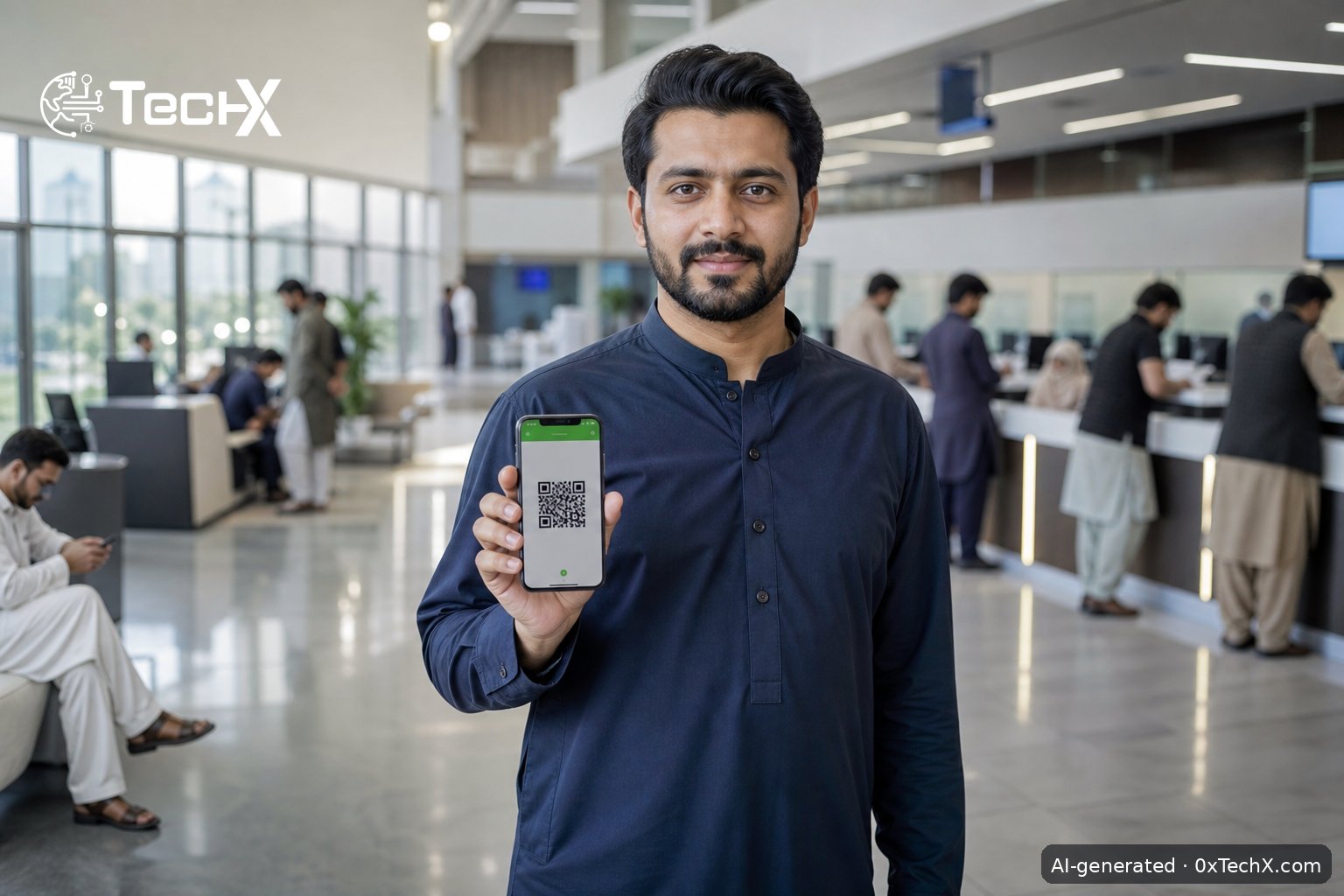
The Digital Vault, accessible via the PakID app, now supports seven verifiable credentials. These include family registration certificates, vehicle registration documents, vaccination certificates, and dematerialised national ID cards. When you need to share these documents, you don’t send a file. You share a unique QR code. The person on the other end scans it and gets a verified confirmation from the official source.
How the $78 Million Is Being Spent
Funded by the World Bank, DEEP aims to modernise government services and strengthen Pakistan’s digital infrastructure. Project Management Units and Implementing Units have been established to support the project. Their work includes developing systems that allow government institutions to exchange data securely and work together more effectively.
The project also has a business-facing side, the Pakistan Business Portal, though that part has faced delays. What is clearly moving forward is the citizen services layer, the Pak App, PakID Vault, and now the shortlisting of 10 more services for full digital delivery.
You can read more about how Punjab is bringing its own digitisation efforts into the national framework in our article on Punjab’s business digitisation push at the federal level. The federal DEEP project and Punjab’s efforts are designed to work together, so that provincial services can eventually plug into the same national citizen portal.
Why This Matters, and What Is Still Missing
Pakistan has moved fast. Smartphone usage in Pakistan increased from 62 percent in 2024 to 72 percent by June 2026, while 5.1 million households had been provided with fixed broadband or fiber connections by June 2026. More people now have a phone capable of using these apps.
But the digital divide is still real. The Pakistan Digital Authority (PDA) has been tasked with reducing the digital divide, citing government figures that as of December 2025 only 40% of Pakistanis have stable, recurring internet access. That means a large chunk of the population cannot yet benefit from Pakistan digital government services moving online, especially people in rural areas.
The government is also under pressure to complete broader reforms. Specifically, the government has yet to complete a whole-of-government enterprise architecture, a comprehensive cybersecurity roadmap, or a data governance framework. These are the behind-the-scenes systems that need to exist before digital services can be truly safe and reliable at scale.
PM Shehbaz Sharif has been pushing hard. Prime Minister Shehbaz Sharif has directed all federal ministries to complete data digitization within set deadlines and provide the information to a central national digital platform under the Digital Nation Pakistan program.
You can also see how digitisation is spreading to other areas, for example the FBR’s new mandatory digital filing rules for company accounts, which show how the broader push is touching many parts of the Pakistani system.
Frequently Asked Questions
What is the DEEP project in Pakistan?
DEEP stands for Digital Economy Enhancement Project. It is a $78 million initiative funded by the World Bank to modernise Pakistan digital government services, build shared digital infrastructure, and give citizens a single platform to access public services online. NITB and NADRA are the main agencies running it.
What can I do on the Pak App right now?
You can pay vehicle token tax, utility bills, and registration fees. You can get domicile, birth, and death certificates. You can also verify your vehicle and driving licence, book marriage appointment slots, and store key government documents in your digital ID vault through the PakID system.
Which 10 government services have been shortlisted?
The government has confirmed that 10 services have been shortlisted for full digital delivery under DEEP, but the official list of all 10 has not been published in full detail yet. The pilot citizen portal has been tested, and the Pak App already carries several of the targeted services. More will be confirmed as the project rolls out.
Is my data safe on PakID and the Pak App?
Your PakID is tied to you, not just your device. During registration, the app uses your phone’s camera to scan your face and your fingerprints. This data is matched against NADRA’s central database in real-time. This means that even if someone steals your phone, they cannot use your digital identity because they don’t have your face or your fingerprints. That said, a full national cybersecurity framework is still being developed, which is something to watch.