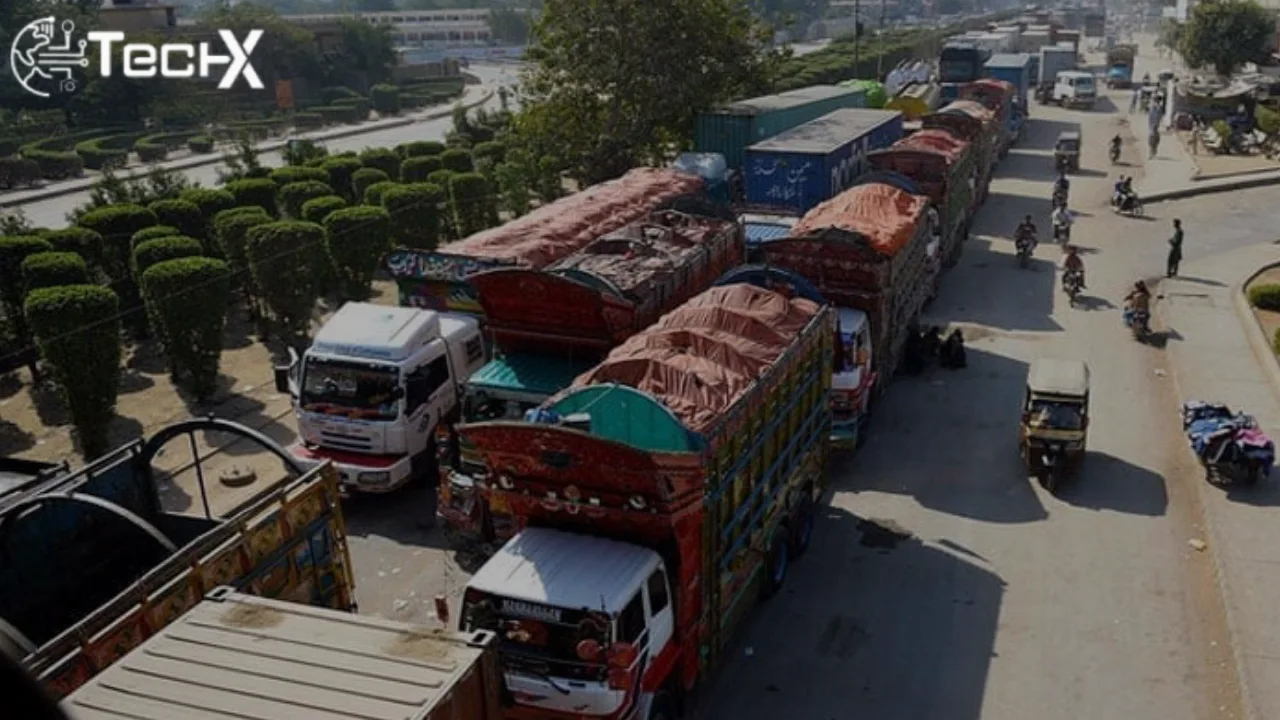
To curb rising traffic accidents, Karachi’s Commissioner has enforced Section 144, banning heavy vehicles during daytime. The decision, backed by DIG Traffic, aims to reduce congestion and enhance road safety. Effective daily from 6 AM to 10 PM, the ban restricts trucks, dumpers, and similar vehicles from key city roads, ensuring smoother traffic flow during peak hours.
Permitted Routes for Heavy Vehicles
Despite the ban, exemptions exist for specific routes. Heavy vehicles can travel from Super Highway to New Karachi Industrial Area and from National Highway to Godam Chowrangi via Manzar Petrol Pump and Younis Chowrangi. Other approved routes include Northern Bypass to Pracha Chowk, State Avenue, Siemens Chowrangi, and Gulsai. These exceptions ensure essential supply chains remain uninterrupted while easing inner-city congestion.
Addressing Rising Traffic Accidents
The ban follows tragic incidents, including a fatal accident at Gul Bai Chowk where a truck killed a pedestrian. Authorities believe restricting heavy vehicles during peak hours will minimize such accidents. With fewer large vehicles on main roads, pedestrian and commuter safety is expected to improve significantly. The move aligns with broader efforts to enhance Karachi’s chaotic traffic management system.
Strict Enforcement Against Traffic Violations
Alongside the ban, Karachi is intensifying traffic law enforcement. Recently, 7,860 motorcycles were impounded for violations, signaling a zero-tolerance approach. This crackdown targets reckless driving, illegal parking, and other offenses. By strengthening enforcement, authorities aim to create disciplined road behavior, reducing accidents and ensuring compliance with the new heavy vehicle restrictions.
Impact on City Traffic and Businesses
While the ban aims to improve traffic flow, businesses relying on daytime deliveries may face challenges. However, permitted routes mitigate disruptions for industries and logistics sectors. The long-term benefits reduced accidents and smoother commutes are expected to outweigh initial inconveniences. Stakeholders are urged to adapt to the new regulations for collective safety and efficiency.
Public Response and Future Measures
Public reaction is mixed, with commuters welcoming reduced congestion but some businesses expressing concerns. Authorities assure continuous monitoring and potential adjustments based on feedback. Future measures may include expanded road infrastructure and smarter traffic management systems to further ease Karachi’s transportation woes. For now, strict enforcement remains key to the ban’s success.
Conclusion
Karachi’s daytime heavy vehicle ban marks a crucial step toward safer, more organized roads. By restricting large vehicles during peak hours and enforcing traffic laws, the city aims to reduce accidents and improve mobility. While challenges remain, the move reflects a commitment to transforming Karachi’s traffic landscape for the better.