

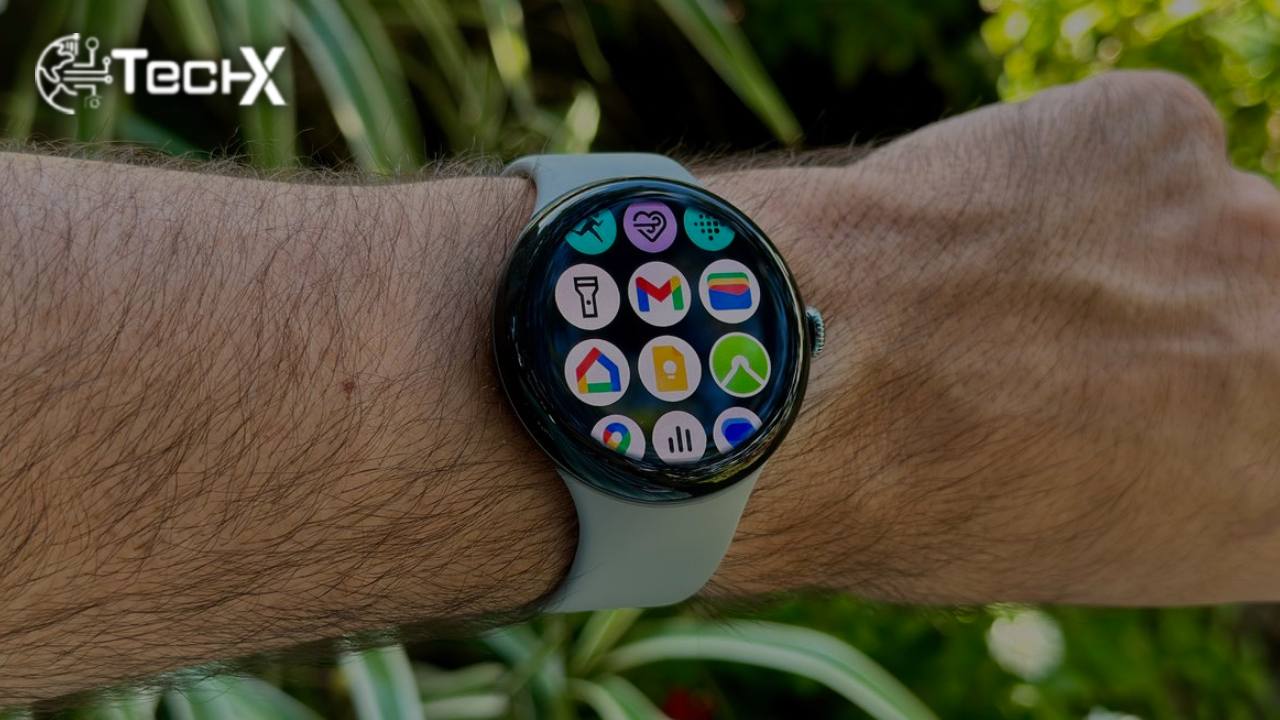
In times of danger, every second matters. A small vibration on your wrist can make a big difference. Now, Google is making its smartwatches smarter and more independent during emergencies. With the latest update to Google Play Services, certain Wear OS watches can receive earthquake alerts even without being connected to a smartphone.
This update is part of Google’s wider effort to improve safety features across its ecosystem. It reflects a simple idea: emergency warnings should reach you wherever you are, even if your phone is not nearby.
Wear OS Becomes More Independent
Until now, Wear OS watches mostly mirrored notifications from Android phones. If your phone received an earthquake alert, your watch would display the same warning. However, this system depended fully on a stable Bluetooth connection between the watch and the phone.
With this new update, that limitation changes. A Wear OS smartwatch can now receive earthquake alerts on its own. Even if your phone is out of range, switched off, or disconnected, the watch can still notify you about potential seismic activity.
This improvement is especially helpful for people who go for walks, runs, or workouts without carrying their phones. It adds an extra layer of safety and ensures that important warnings are not missed.
Internet Connection Still Matters
There is one important condition. For a smartwatch to receive alerts independently, it will likely need its own internet connection. This means models with built-in mobile data support will benefit the most from this feature.
WiFi-only watches may also receive alerts, but only when connected to a WiFi network. Without internet access, the standalone alert system may not work as intended.
| Feature | Before Update | After Update |
|---|---|---|
| Watch Dependency | Fully dependent on the phone | Works independently |
| Bluetooth Required | Yes | Not required in all cases |
| Internet Needed | Through a connected phone | Directly on watch (Mobile Data or WiFi) |
| Best Supported Models | All connected watches | LTE / Mobile data models |
This table clearly shows how the update improves reliability during emergencies.
How Google’s Earthquake Alerts System Works
The new watch feature builds on the powerful Earthquake Alerts System already available on Android devices. This system uses data from millions of smartphones worldwide.
Each Android phone has a small sensor called an accelerometer. It can detect unusual shaking or vibrations. When many nearby phones detect similar shaking at the same time, the system analyzes the data and identifies a possible earthquake.
The phones send anonymous signals along with general location data to Google’s servers. If the system confirms a likely earthquake, it quickly sends alerts to users in the affected area.
This method turns millions of smartphones into a large, distributed seismic detection network. It is fast, cost-effective, and designed to deliver early warnings before stronger shaking arrives.
Will Watches Help Detect Earthquakes Too?
At the moment, Google has not confirmed whether Wear OS watches will also send sensor data to help detect earthquakes. Currently, the detection network depends on smartphones.
However, smartwatches also have motion sensors. In the future, adding watch-based data could improve detection accuracy. More devices mean more data points, and more data can lead to faster and more precise alerts.
For now, the focus is on making sure alerts reach users more reliably.
Why This Update Matters
This change may seem small, but it carries great importance. Disconnections happen often. Bluetooth drops. Phones run out of battery. People forget devices at home.
By allowing Wear OS watches to receive earthquake alerts independently, Google is strengthening personal safety. It shows how wearable technology is moving beyond fitness tracking and notifications. It is becoming a trusted companion in critical moments.
In a world where natural disasters can strike without warning, having timely information on your wrist can bring peace of mind. With this update, Google Watch users are better prepared than ever.