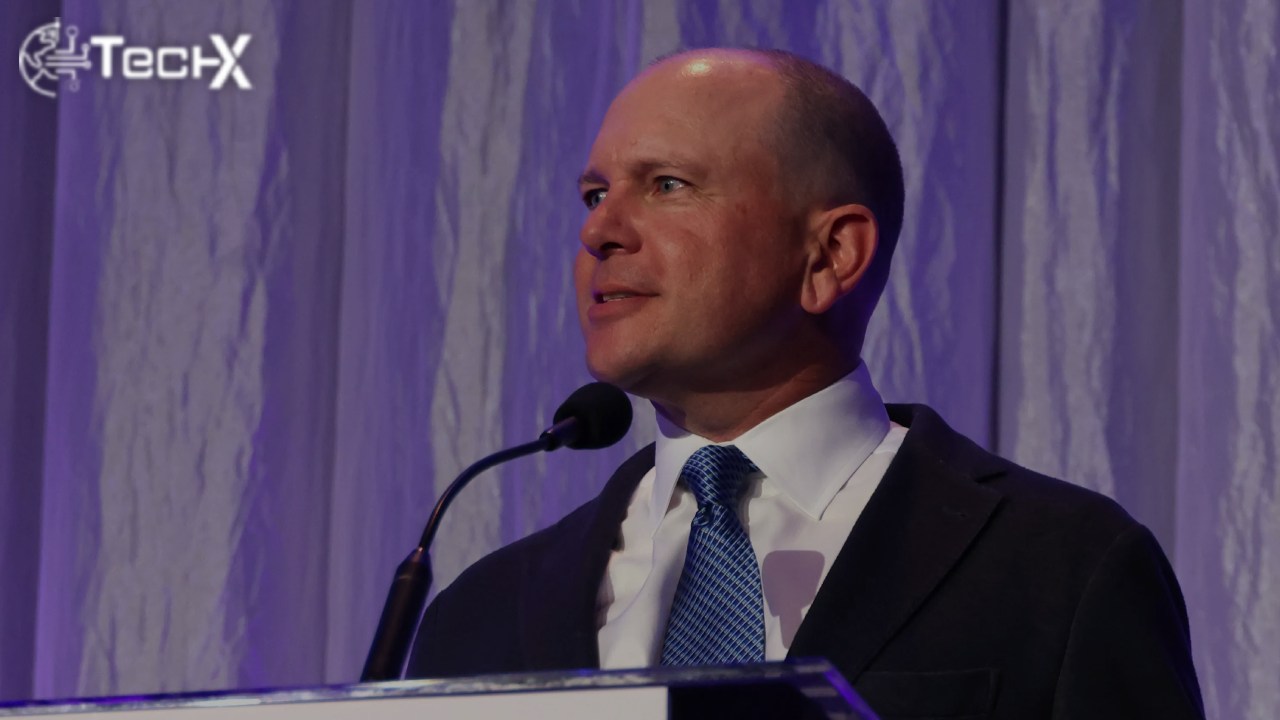
YouTube’s aggressive expansion into live sports has sparked a legal clash with Disney. The dispute centers on Justin Connolly, a veteran Disney executive who recently joined YouTube as Global Head of Media and Sports. Disney filed a lawsuit in Los Angeles Superior Court, alleging breach of contract, tortious interference, and unfair competition. The company seeks to block Connolly’s hiring, fearing misuse of confidential information.
Disney’s Core Complaint
Disney claims Connolly played a pivotal role in sensitive negotiations, including a pending YouTube licensing deal. His departure poses a strategic risk, as he possesses insider knowledge of distribution agreements, financial terms, and negotiation strategies. Disney argues his move violates a contract extending until 2027. The lawsuit also accuses YouTube of inducing Connolly to break his agreement, escalating tensions between the two media giants.
Connolly’s Role at Disney
Connolly led Disney’s Platform Distribution group and was instrumental in launching ESPN’s direct-to-consumer service. His resignation last week surprised Disney, which learned of YouTube’s job offer in April, midway through critical negotiations. Connolly had signed a three-year deal in November 2024, with an exit clause extending to 2027. His abrupt departure raises concerns about corporate loyalty and contractual obligations in the streaming wars.
Also Read: Google’s 4 New AI Features: Virtual Try-On, 3D Calls & More
Why Connolly’s Hire Matters to YouTube
YouTube’s acquisition of Connolly aligns with its push into live sports. The platform will exclusively stream the NFL’s opening game on September 5th, a major milestone. With 9.4 million YouTube TV subscribers and a $14 billion NFL deal, YouTube is solidifying its sports streaming dominance. Connolly’s expertise could strengthen partnerships with networks like ESPN, Fox, and NBC, positioning YouTube as a key player in digital sports broadcasting.
The Broader Streaming Wars
The legal battle reflects intensifying competition among streaming giants. Amazon is expanding into NBA coverage, Netflix is growing its NFL presence, and Apple is deepening ties with MLB and MLS. As audiences shift to digital platforms, securing top executives with industry insights has become crucial. Disney’s lawsuit underscores how talent poaching is now a strategic battleground in media.
What’s Next in the Legal Fight?
Disney seeks an injunction to prevent Connolly from working at YouTube. Legal experts compare this case to Fox’s 2016 lawsuit against Netflix over employee poaching. While YouTube remains silent, Disney’s aggressive stance signals that media wars now extend beyond content to talent acquisition. The outcome could reshape contract enforcement and executive hiring practices in the high-stakes streaming industry.
Conclusion
The Disney-YouTube legal battle highlights the fierce competition for top talent in streaming. As platforms vie for dominance, executive poaching may trigger more lawsuits. This case could set a precedent for how media companies protect confidential information and enforce employment contracts. The stakes are high, and the outcome will influence future corporate hiring strategies in the digital age.