A groundbreaking trial investigating the use of artificial intelligence (AI) in breast cancer screening yielded promising results, reducing radiologists’ workload by nearly half. The trial included over 80,000 women in Sweden and directly compared AI-supported screening to standard care.
AI in Breast Cancer Screening
Preliminary findings published in the Lancet Oncology journal revealed that AI screening was as effective as radiologists’ traditional double-reading approach without increasing false positives.
In the Artificial Intelligence-supported screening group, 28 percent of women were diagnosed with cancer, compared to 25 percent in the standard screening group, resulting in the detection of 41 additional cancers.
Importantly, the use of Artificial Intelligence did not result in more false positives, with both groups showing a 1.5 percent false-positive rate.
The trial resulted in a remarkable 44 percent reduction in radiologists’ workload in the Artificial Intelligent-supported group, equating to 36,886 fewer readings, which could help address the global radiologist shortage.
Although the findings are encouraging, the study’s lead author, Dr. Kristina Lng, stressed the importance of additional research to better understand its impact on patient outcomes, cost-effectiveness, and detection of interval cancers missed by traditional screening.
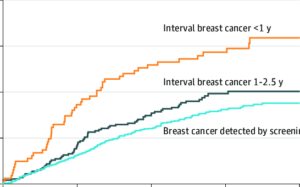
Experts praised the study but expressed concern about the possibility of Artificial-driven increases in breast cancer detection leading to overdiagnosis of less dangerous lesions.
While final results are expected in the coming years, stakeholders in breast screening programs are excited about the potential benefits of it, which include faster diagnosis, earlier cancer detection, and better patient care.
To fully realize AI’s potential in healthcare, however, current issues such as outdated IT systems must be addressed.
To read our blog on “Moderna & Merck begin late-stage research on cancer vaccine,” click here