
The Pakistan Express Clearing System is about to change how banks in Pakistan handle cheques. The State Bank of Pakistan (SBP) announced the launch of the Pakistan Express Clearing System (PECS) on October 5, 2026, with the aim of reinforcing the digital payments ecosystem and improving the efficiency of cheque clearing and settlement. For ordinary bank customers and businesses, this means faster access to funds and far less paperwork moving between bank branches.
What Is the Pakistan Express Clearing System?
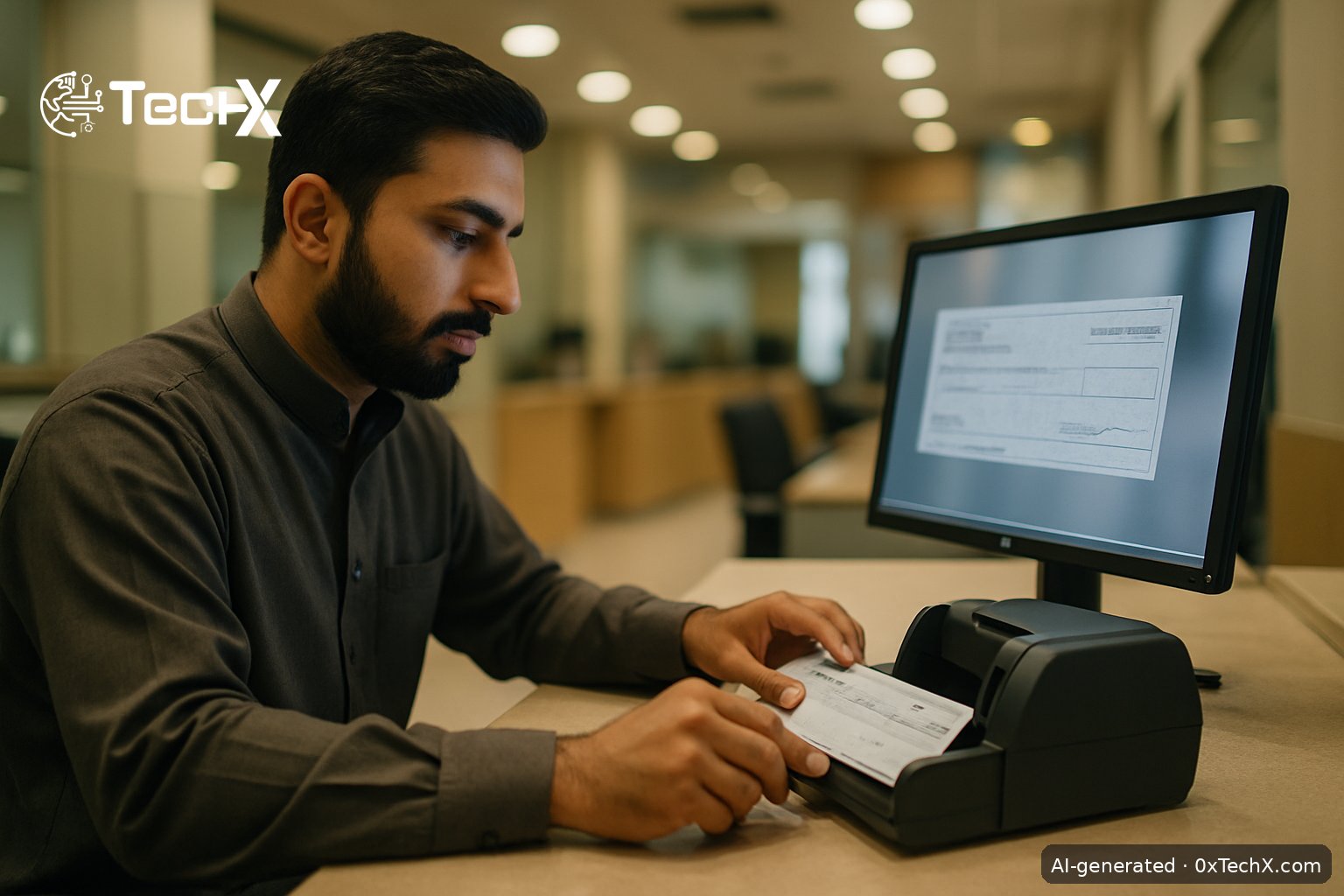
PECS is built on the concept of cheque truncation, where cheques are cleared on the basis of captured digital images instead of physical paper instruments. All steps after the initial scan are carried out using the electronic image and its associated clearing data.
The system is grounded in the cheque truncation concept defined in the Payment Systems and Electronic Fund Transfers Act, 2007. In simple terms, your bank takes a photo of your cheque, sends that image through the system, and the paying bank verifies and processes it digitally. The physical cheque never needs to travel anywhere.
Under PECS, the presenting or collecting bank captures the cheque image and sends it to the clearing house, National Institutional Facilitation Technologies Limited (NIFT). NIFT then passes it to the paying or drawing bank for processing.
This is a significant step forward for Pakistan’s fast-growing digital payments sector, which has been expanding rapidly as more transactions move away from cash and paper.
When Does PECS Go Live?
The implementation of PECS will start from October 15, 2026, initially on a pilot basis with a limited scope and limited participants, and will gradually be expanded to nationwide coverage by April 30, 2027.
The rollout is structured in clear phases:
- From October 15 to November 15, the system will operate at a limited number of participating institutions selected by the SBP in consultation with NIFT.
- The clearing house and participating institutions will then review results and address any issues, and the clearing house will submit a consolidated readiness report to the central bank.
- From November 16 to December 31, the system will be extended to all remaining participating institutions, which will progressively roll out cheque truncation across their branch networks.
- All participating institutions must develop the required infrastructure and achieve nationwide implementation by April 30, 2027.
How Does Cheque Truncation Actually Work?
Under PECS, a cheque is truncated at the presenting institution’s branch, and every later step uses the electronic image and its clearing data. The paying institution then decides whether to pay or reject the cheque based on that image.
This removes the need to physically transport paper cheques between bank branches, NIFT offices, and clearing centres. It cuts the risk of cheques being lost or delayed in transit and allows settlement to happen much faster, which is especially valuable for businesses waiting on large payments.
The Pakistan Express Clearing System also closes a long-standing gap in the country’s financial infrastructure. While mobile wallets and Raast instant transfers have grown fast, cheques remain widely used for business-to-business payments, payroll, and property transactions. The system aims to strengthen the digital payments ecosystem and make clearing and settlement more efficient.
What Banks and Businesses Need to Do
The PECS implementation plan, rules, procedures, and operational instructions have been circulated to all NIFT member financial institutions, directing them to train relevant staff on the overall truncation process, ensure compliance with all relevant laws, and create mass awareness about PECS.
For bank customers, the process change should be mostly invisible. You still deposit a cheque at your branch as normal. The difference is that your bank now scans and transmits the image digitally rather than routing the physical paper. Settlement should happen sooner, and the risk of errors from manual handling goes down.
Businesses that issue a large number of cheques, especially for payroll or supplier payments, stand to benefit the most. Faster clearing means improved cash flow and less time spent chasing confirmation of cleared funds.
Pakistan’s Bigger Payments Picture
PECS is one part of a larger push by the State Bank of Pakistan to modernise the country’s payment infrastructure. SBP launched Raast, Pakistan’s instant payment system, in January 2021, and it has grown rapidly since. The clearing house at the centre of PECS, NIFT, already manages a large share of Pakistan’s cheque processing and will act as the central hub for image transmission under the new system.
The Pakistan Express Clearing System does not replace Raast or other digital channels. Instead, it upgrades the cheque infrastructure that millions of Pakistanis and businesses still depend on, bringing it into line with modern image-based systems already used in countries like India, the United States, and the United Kingdom.
Coverage of this story has mostly focused on the announcement itself. What gets less attention is the practical impact on SMEs and sole traders who rely on post-dated cheques for trade credit. Faster clearing means less float, which changes cash-flow planning in real ways for small businesses across Pakistan.
Frequently Asked Questions
What is the Pakistan Express Clearing System (PECS)?
PECS is a new cheque clearing system announced by the SBP that processes cheques using digital images instead of physical paper. It speeds up settlement and reduces manual steps in the clearing process.
When will PECS start?
The pilot begins on October 15, 2026, with a small group of banks. It will expand to all remaining member banks by the end of December 2026, with full nationwide coverage due by April 30, 2027.
Does PECS affect how I deposit a cheque?
For most customers, the deposit process at the branch stays the same. Your bank captures the cheque image and sends it digitally. You do not need to do anything differently. The benefit is faster clearing and lower risk of errors.
Is PECS the same as Raast?
No. Raast is SBP’s instant payment system for digital fund transfers. PECS specifically upgrades the cheque clearing process by replacing physical cheque routing with digital image transmission. Both are part of SBP’s broader effort to modernise Pakistan’s payment systems.