
Pakistan’s push for local EV battery cell manufacturing has moved from policy papers to factory floors in 2026, with the country’s first lithium-ion cell production plant taking shape in Karachi and hundreds of millions of dollars in Chinese investment now committed to the sector. But a crucial question hangs over the headlines: are these truly cell factories, or are they still just assembly lines dressed up in bigger language?
Why EV Battery Cell Manufacturing Matters Right Now
For years, Pakistan’s EV sector has relied almost entirely on imported, ready-made battery packs, mostly from China. Local companies would bring in finished cells, wire them into casings, and call the result a locally made battery. Many local ventures have been engaged in battery assembly, importing raw electrochemical cells from China and packaging them locally, and the new push aims to establish upstream cell manufacturing right here in Pakistan.
The shift follows a sharp rise in lithium-ion battery imports, driven by accelerating demand for solar energy storage and electric vehicles. In 2024, Pakistan imported an estimated 1.25GWh of lithium-ion battery packs. That number is set to explode. Demand is projected to increase to around 8.7GWh by 2030, in line with the National Electric Vehicle Policy 2025, 30, which targets converting 30 per cent of all vehicles to electric by the end of the decade.
Pakistan’s lithium-ion battery market was worth $394.6 million last year, and is expected to reach $826.5 million by 2031. Letting that entire market remain import-driven would be a major drain on foreign exchange, which is exactly what the new policy aims to stop.
The National Battery Policy and What It Actually Says
Pakistan is moving to localize lithium-ion battery manufacturing under a new national policy framework aimed at strengthening energy security, reducing import dependence and attracting private investment. The Battery Manufacturing Policy 2026, 31 includes phased localization targets, tariff reforms and performance-based incentives designed to encourage domestic manufacturing and private sector investment.
The meeting approved lithium iron phosphate (LFP) battery technology for initial localization, citing its safety profile, cost effectiveness and suitability for grid storage and electric vehicles. LFP is a smart first choice for Pakistan: it is safer, cheaper, and better suited to the heat and variable grid conditions the country deals with every day.
The policy framework rests on three pillars: phased localisation, tariff reforms, and performance-based incentives, with the Pakistan Standards and Quality Control Authority (PSQCA) tasked with testing and certification.
The government is also looking beyond domestic demand. Pakistan is wooing Chinese investors to set up factories in Karachi and eastern Punjab to manufacture lithium-ion battery cells, as Islamabad eyes increasing battery exports to generate foreign exchange, create jobs and slash its import bill. Pakistan is finalizing business-to-business engagements with Chinese firms worth approximately $558 million to support lithium-ion battery assembly and manufacturing and exploit local mineral reserves.
EV Technologies and Zilo Energy Lead the First Wave
The facility being developed by EV Technologies in the Korangi Industrial Area will initially produce lithium batteries for electric bikes, e-scooters, and electric vehicles. CEO Huma Khattak said the plant has already been ordered and is expected to begin production within 2, 3 months.
The plant will be established in the Korangi Industrial Area, Karachi, with an initial capacity of 4 megawatts, which can supply lithium batteries for almost 2,000 e-bikes and e-scooters per month. That is modest by global standards but meaningful as a first step for a country that currently makes none of its own cells.
Zilo Energy has also entered the picture. The company has recently achieved a major milestone by installing one of Pakistan’s most advanced lithium-ion battery assembly lines in Korangi Industrial Area, Karachi. Zilo Lithium Batteries said the facility would assemble lithium iron phosphate (LFP) battery systems for residential, commercial and industrial energy storage applications, including solar-plus-storage systems.
Other players are also moving. Two other Karachi projects are moving in parallel: Wave Tech has announced a $200 million lithium battery plant at Malir Industrial Park, and Crown Group is finishing a lithium iron phosphate battery plant at Port Qasim, projected to produce 5,000 to 8,000 batteries per month at launch. On the vehicle side, BYD, partnering with Mega Motor Company, a subsidiary of Hub Power Company, has constructed a manufacturing plant near Karachi, with a projected capacity of 25,000 units annually.
Pakistan’s broader infrastructure plans are also relevant here. The country’s growing EV market is already attracting international brands, which will sharply increase demand for locally made batteries in the years ahead.
The Hard Truth: Assembly vs. Real Cell Manufacturing
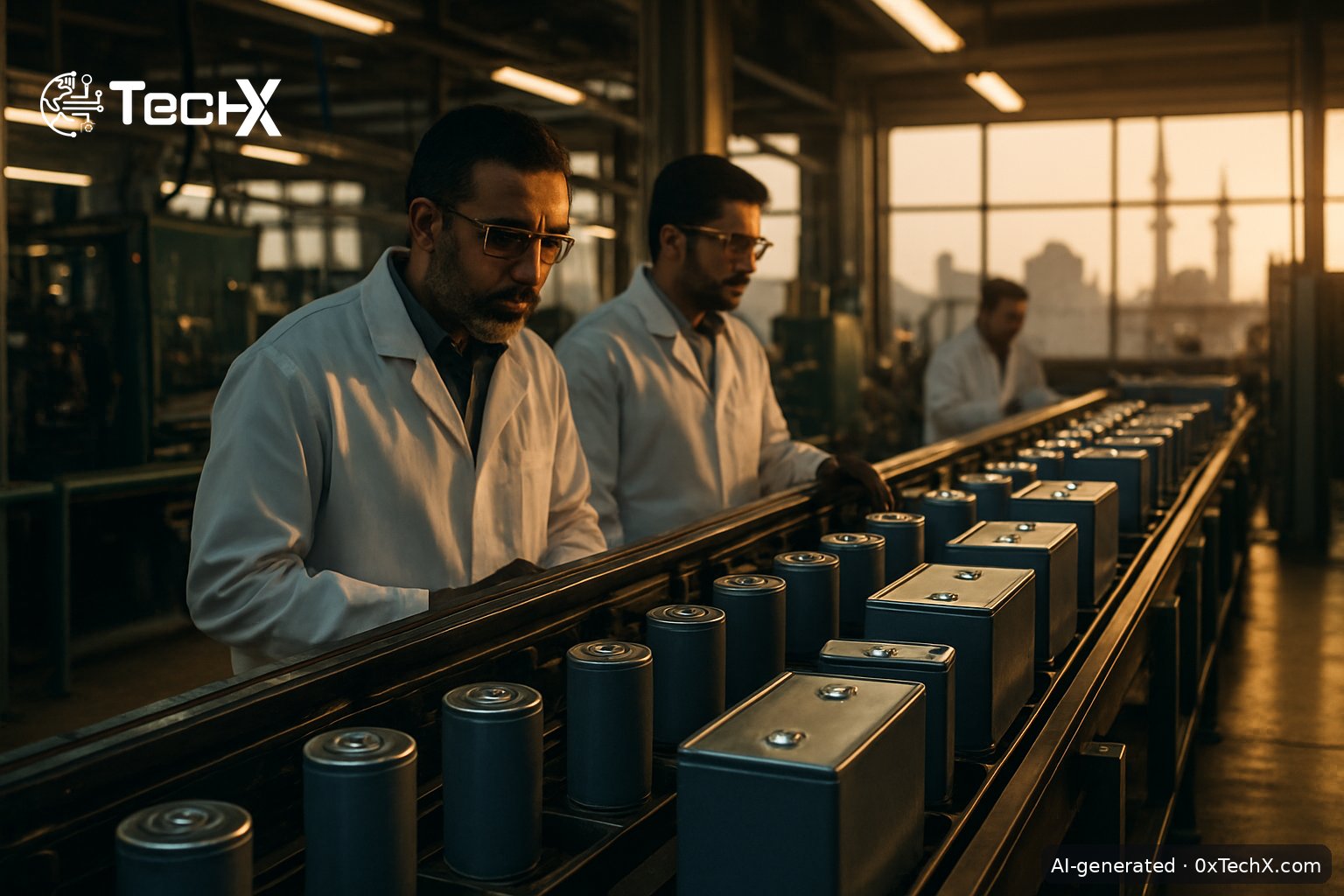
Here is what many headlines miss. There is a big difference between assembling battery packs (taking finished cells from China and putting them in a box) and actually making the electrochemical cells themselves. Cell manufacturing is the actual electrochemical unit, built in a controlled, capital-intensive process. Pack assembly means taking finished cells and wiring them into a battery management system and housing for a specific end use.
It appears that many announced sites are assembly operations rather than full upstream cell manufacturing plants, and that distinction has become increasingly important. A recent fact-check noted that many planned facilities are expected to import lithium-ion cells and assemble them into battery packs locally, rather than producing electrochemical cells from raw materials.
Pack assembly is real, useful, and creates jobs, but the jobs are lower-skilled, the margins are thinner, and the value captured locally is a small fraction of the finished product’s price, because the most expensive and technically sophisticated component, the cell, is still imported.
The government is aware of the gap. EDB CEO Hammad Mansoor told Arab News that the objective was to help Pakistan shift from assembling batteries to manufacturing battery cells locally. Whether the policy has enough teeth to enforce that distinction is the key question.
Pakistan’s Own Minerals Could Help
One underreported angle: Pakistan does not need to import all its raw materials forever. Pakistan has reserves of phosphate, iron and manganese, which can be helpful in the local production of lithium iron batteries. Business-to-business agreements have also been signed with China in this regard. If these mineral resources are developed, they could lower production costs and reduce the country’s dependence on Chinese supply chains at the input level, not just the finished-goods level.
What This Means for EV Prices and Energy Bills
Initiatives by domestic manufacturers to establish lithium battery assembly and battery-pack manufacturing lines are beginning to partially substitute imports, improve supply-chain resilience and enhance price competitiveness, supporting wider adoption of lithium-based energy storage solutions.
However, a tax contradiction is holding things back. The government claims to have zero-rated taxes on raw materials for batteries, but the Pakistan Renewable Energy Development Forum says that there are taxes and duties of up to 50 per cent on lithium-ion battery sales, which are hindering local assembly and manufacturing. Until that gap is fixed, local producers will struggle to undercut imports on price.
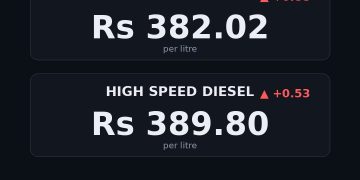
Local component sourcing requirements baked into the subsidy scheme are steering battery makers toward cell production rather than mere pack assembly, which is a positive signal. And with fuel prices continuing to rise, the financial case for switching to electric transport grows stronger every month, putting even more pressure on the government to deliver affordable local batteries fast.
Frequently Asked Questions
What is Pakistan’s Battery Manufacturing Policy 2026, 31?
It is a national framework that sets phased targets for local battery production, introduces tariff reforms, and provides performance-based incentives to companies that manufacture batteries inside Pakistan. LFP chemistry was approved first because of its safety, lower cost, and suitability for solar storage and EVs. The Engineering Development Board (EDB) oversees it, and the Engineering Development Board has been leading stakeholder meetings to push it forward.
What is the difference between battery assembly and EV battery cell manufacturing?
Battery assembly means importing finished electrochemical cells from overseas (mainly China) and putting them together into a pack for local use. Cell manufacturing means building the electrochemical cell itself, a far more complex and capital-intensive process. Most of Pakistan’s current and announced projects are still at the assembly stage, though the policy aims to move the country up to true cell production.
Which companies are leading Pakistan’s local battery push?
EV Technologies is building what is described as Pakistan’s first lithium-ion battery production plant in Korangi, Karachi, with an initial capacity to supply roughly 2,000 e-bikes per month. Zilo Energy has set up an LFP assembly line also in Korangi. Wave Tech and Crown Group have announced larger projects, and the Saigol Group has signed an MoU with China’s Juhang Energy Technology Group for cell manufacturing. Global automaker BYD, through Mega Motor Company, is also building a large vehicle plant near Karachi.
Will local battery production make EVs cheaper in Pakistan?
It should help over time, but not immediately. Local assembly can reduce some import costs, but as long as cells themselves are imported and high duties remain, savings will be limited. The real price drop will come when Pakistan moves to full cell manufacturing and resolves the tax contradictions that currently burden the supply chain. Analysts estimate a 15, 20 per cent cost reduction is achievable once local production scales up properly.