

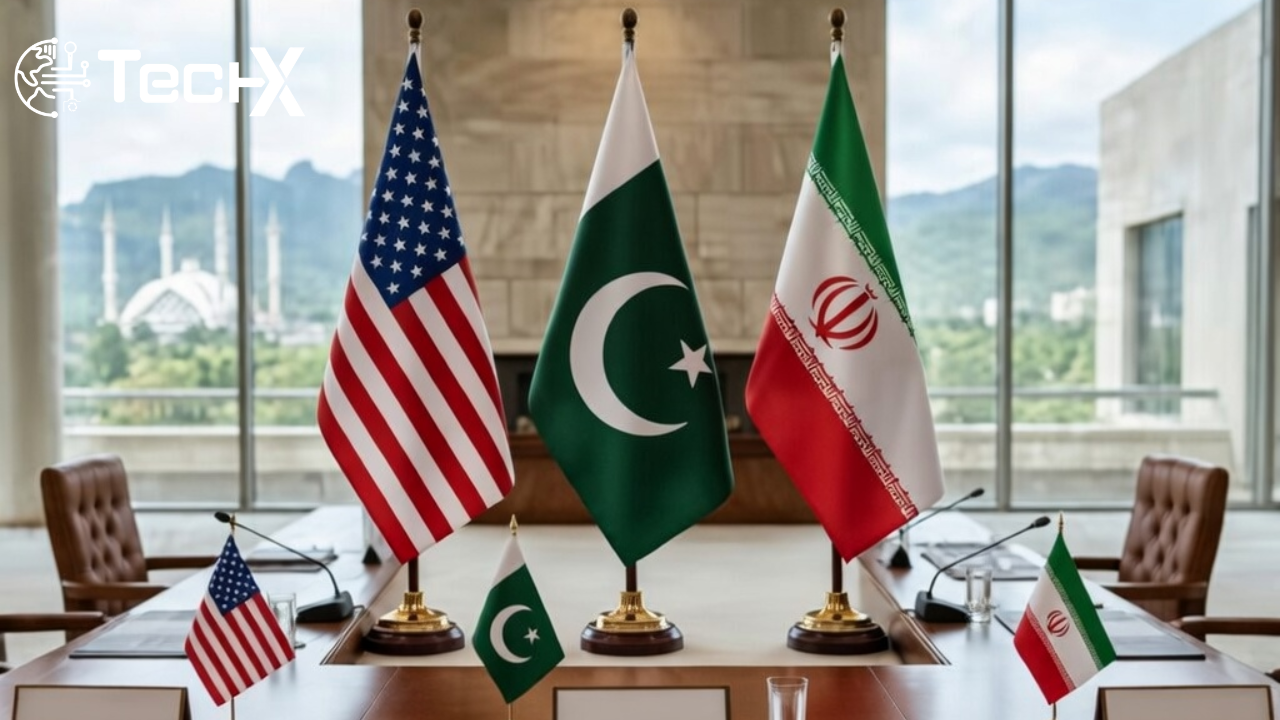
The White House has confirmed that Islamabad will host high‑level peace negotiations between the United States and Iran, following a temporary ceasefire after weeks of heightened conflict in the region. These talks are part of diplomatic efforts to achieve a more lasting settlement and prevent further escalation. The first round of discussions is scheduled to begin on April 11 in Islamabad.
US Delegation Led by Vice President JD Vance
U.S. Vice President J.D. Vance will lead the American delegation to Pakistan for the peace talks, according to White House Press Secretary Karoline Leavitt. Vance has played a key role in shaping U.S. strategy toward Iran since the start of the conflict. He will be accompanied by senior U.S. officials, including Special Envoy Steve Witkoff and Senior Advisor Jared Kushner, who have been involved in negotiating efforts.
Iran Delegation and Leadership
Iran has agreed to participate in the Islamabad talks, with its delegation expected to be headed by Parliament Speaker Mohammad Baqer Qalibaf and Foreign Minister Abbas Araghchi. Qalibaf is a senior Iranian political figure with significant influence in Tehran’s strategic planning, while Araghchi is a veteran diplomat involved in negotiating international agreements.
Pakistan Role as Host and Mediator
Pakistan has positioned itself as a mediator in the negotiations, with Islamabad offering its capital for the talks after brokering a fragile ceasefire between Washington and Tehran. Pakistani officials say constructive dialogue could be key to stabilising the wider region.
Security Preparedness in Islamabad
Pakistan’s Interior Minister Mohsin Naqvi has assured that a “comprehensive and foolproof” security plan is in place for the visiting dignitaries. Authorities, along with the U.S. Ambassador, reviewed security arrangements to ensure the safety of all foreign leaders and delegates during the Islamabad talks.
Diplomatic Expectations and Challenges
These negotiations mark a critical diplomatic step amid ongoing regional tensions. While the ceasefire has created an opportunity for dialogue, both sides face significant disagreements over issues such as Iran’s regional activities and the scope of temporary truces. The outcome of the Islamabad talks could shape future US‑Iran relations and regional stability.