

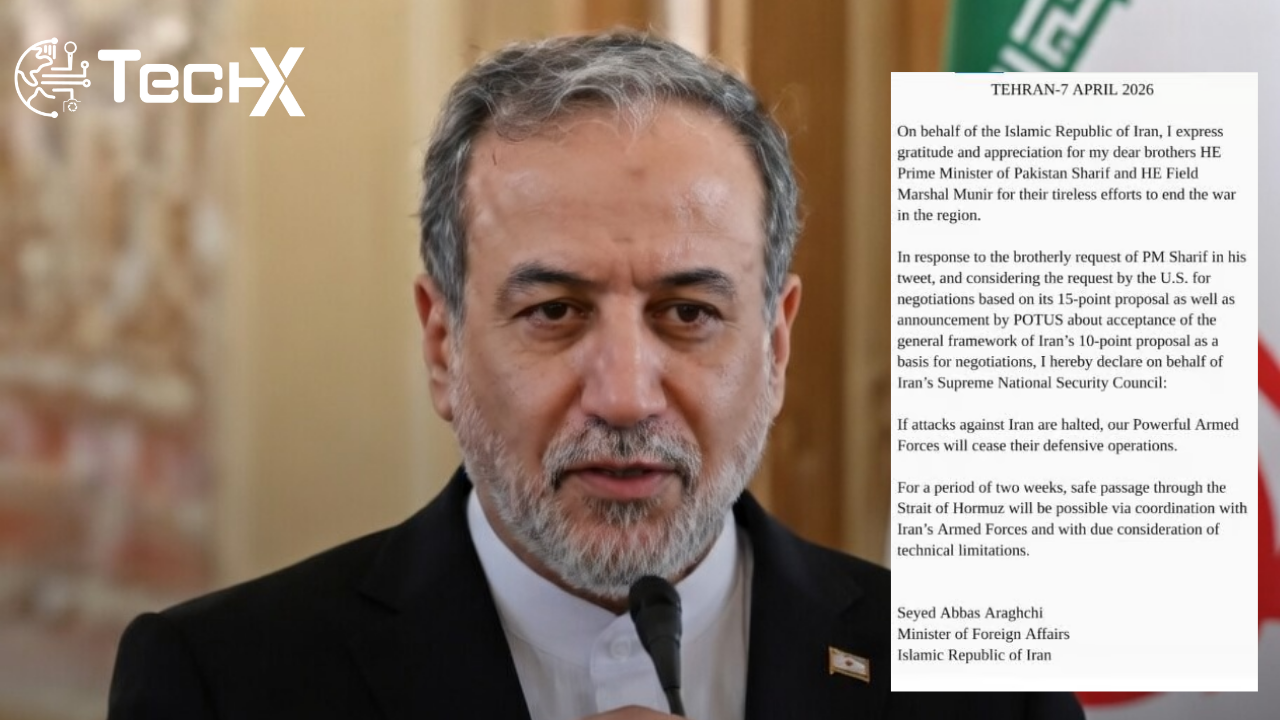
A two-week ceasefire between the United States and Iran was declared following diplomatic efforts led by Pakistan. Both countries agreed to halt military actions for 14 days, providing a temporary pause in the escalating conflict that had raised international concerns. The announcement came just before the U.S. was reportedly set to carry out military strikes.
Pakistan Role in Facilitating Dialogue
Pakistan played a key role by proposing a framework for a ceasefire, offering a way for both sides to step back from immediate hostilities. The plan emphasized halting military operations and creating space for negotiations, helping to reduce tensions in the region.
PM Shehbaz Sharif Request
Prime Minister Shehbaz Sharif publicly requested a two-week ceasefire to allow diplomatic discussions to progress. His appeal highlighted the importance of regional stability and included measures like reopening the Strait of Hormuz to build trust and prevent further escalation.
Acknowledgment from Iran
Iran’s Foreign Minister Seyed Abbas Araghchi expressed formal appreciation for Pakistan’s efforts, specifically mentioning PM Shehbaz Sharif and Pakistan Army Chief Field Marshal Asim Munir for their role in promoting peace and encouraging dialogue between the U.S. and Iran.
US Acceptance and Conditions
The United States agreed to the temporary ceasefire, suspending planned strikes for 14 days. This decision was reportedly influenced by Pakistan’s diplomatic intervention and came with conditions, such as ensuring safe navigation through the Strait of Hormuz.
Next Steps in Diplomacy
While this ceasefire offers a crucial pause, it is temporary and conditional. Both nations are expected to use the two-week period to hold negotiations, potentially in Islamabad, aiming to reach a longer-term solution that reduces tensions in the region.