
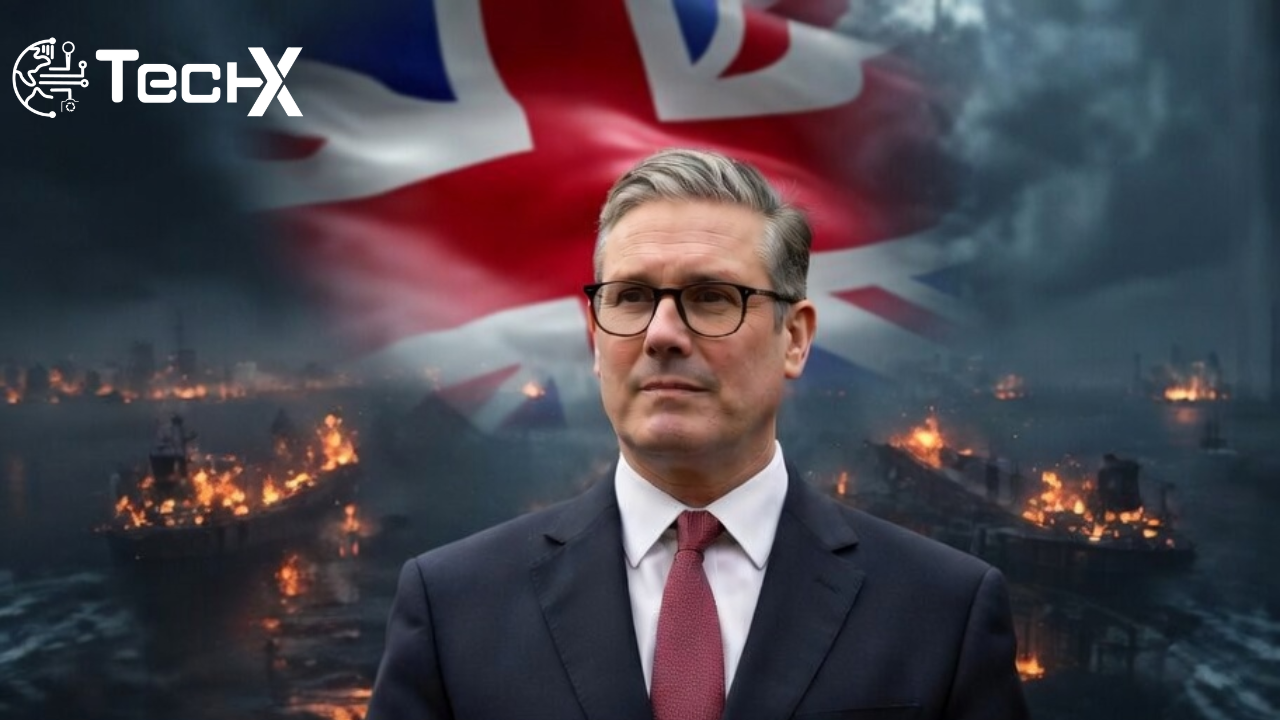
UK Prime Minister Keir Starmer has announced that Britain will host an international meeting this week with representatives from approximately 35 countries. The primary goal of the meeting is to discuss reopening the Strait of Hormuz and securing maritime traffic. This initiative is strategic, as it has significant implications for global energy markets and international shipping.
Importance of the Strait of Hormuz
The Strait of Hormuz is one of the world’s most critical maritime chokepoints, with around 20% of global oil and LNG shipments passing through it. Any closure or disruption of this route can cause oil prices to surge and global supply chains to face serious disruptions. This makes international cooperation essential to keep this vital route safe and operational.
Background of the Current Situation
Ongoing Middle East conflicts and regional tensions have caused the Strait of Hormuz to be partially closed or heavily restricted. This has had a direct impact on global trade and energy markets. Several countries, including the UK, France, Germany, Japan, Canada, and the UAE, have pledged to work together to restore safe passage and maintain stability in the region.
The UK Position
Prime Minister Keir Starmer emphasized that the UK will not engage militarily in the ongoing conflict, but will play a leading role in diplomatic and security coordination. Foreign Secretary Yvette Cooper is expected to lead the talks, with follow-up meetings focusing on security planning and multinational cooperation to ensure uninterrupted maritime traffic.
Goals of the Meeting
The main objectives of this international meeting are to:
- Reopen the Strait of Hormuz safely
- Coordinate maritime security measures
- Minimize disruptions to global energy supplies
- Reduce the adverse effects of the conflict through multinational cooperation
Global Impact and Conclusion
If these diplomatic efforts succeed, global energy markets and international shipping routes could stabilize. This initiative is crucial not only for the UK but also for the 35 participating countries and the global economy. Starmer’s announcement represents a significant step in international diplomacy and conflict resolution, aiming to protect one of the most strategic maritime passages in the world.