
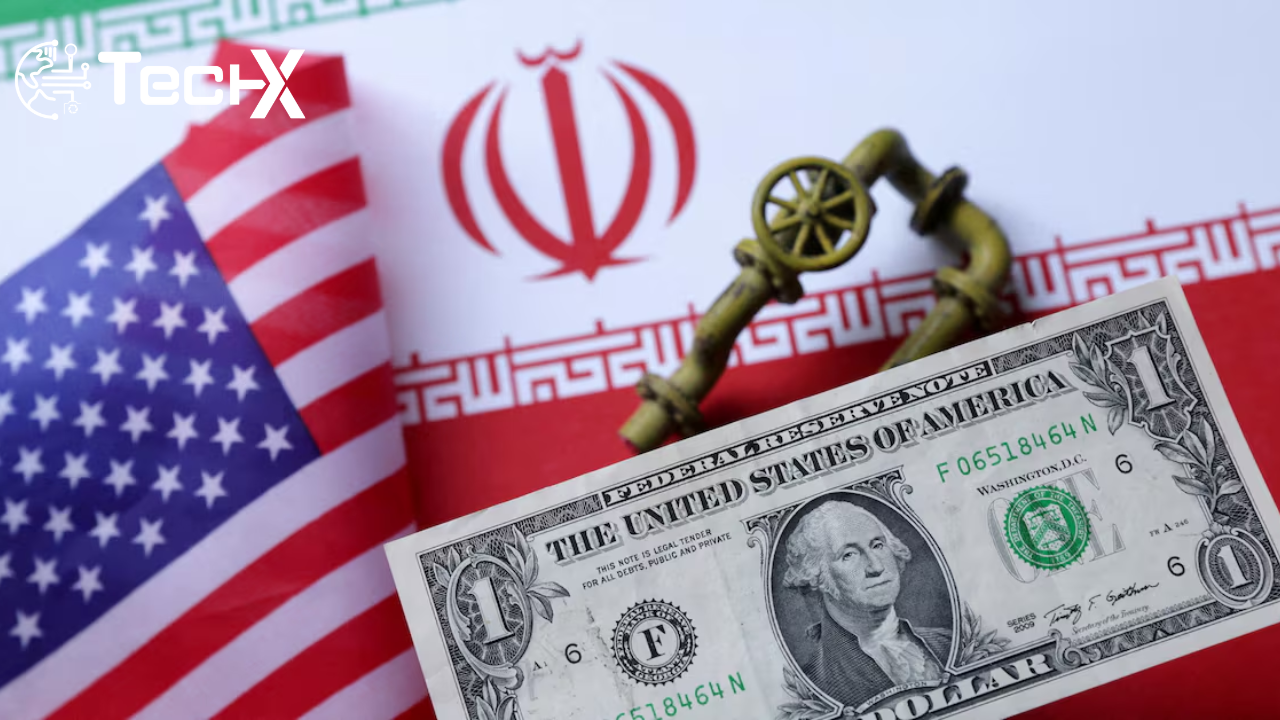
Iran has recently been discussing the possibility of reducing reliance on the US Dollar in global oil trade. Instead, the country is considering using alternative currencies such as the Chinese Yuan, particularly in trade with China. This idea reflects a broader effort by some nations to challenge the dominance of the dollar in international energy markets.
Strategic Importance of the Strait of Hormuz
The Strait of Hormuz is one of the most important oil shipping routes in the world. A significant portion of global oil supply passes through this narrow waterway every day. If Iran were to impose conditions on oil tankers passing through this route, it could have a direct impact on global oil prices and international trade.
Challenging Dollar Dominance
For decades, most global oil transactions have been conducted in US dollars, creating what is often called the “petrodollar system.” Some countries argue that this system gives the United States significant economic influence. By exploring alternatives such as the Chinese yuan, Iran and its partners aim to reduce dependence on the dollar and create a more diversified financial system.
Economic Cooperation with China
China is one of the world’s largest energy consumers and an important economic partner for Iran. If oil sales are conducted in Chinese yuan, it could strengthen economic ties between the two countries. It may also allow Iran to continue exporting oil more easily despite international sanctions and financial restrictions.
Possible Global Economic Impact
A shift from the US dollar to other currencies in oil trade could gradually influence the global financial system. However, experts believe that replacing the dollar will not happen quickly, as it still dominates global reserves, banking systems, and international trade transactions.
Conclusion
In conclusion, Iran’s discussions about using alternative currencies for oil trade represent a potential shift in global economic and geopolitical dynamics. While no final policy has been confirmed yet, the debate highlights growing interest among some countries in reducing reliance on the US dollar and exploring new financial arrangements in the global energy market.