
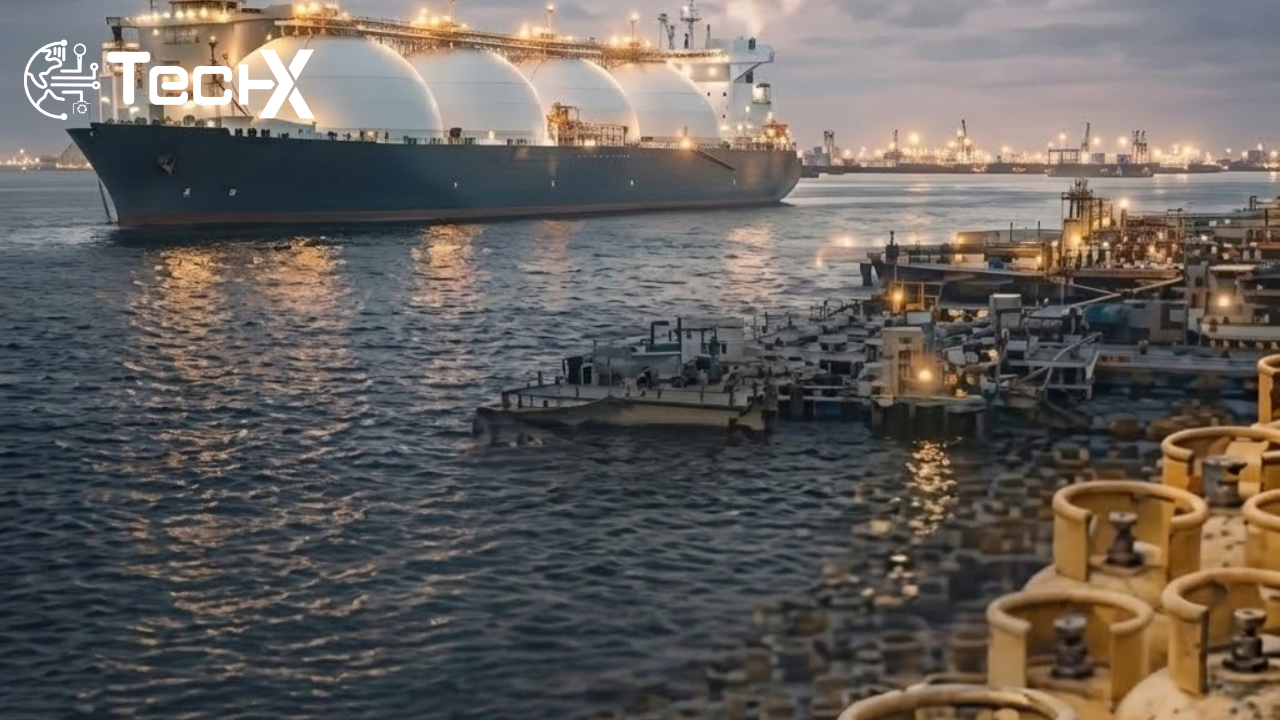
Pakistan’s liquefied natural gas (LNG) imports from Qatar have been suspended after Doha declared force majeure. Force majeure means that unforeseen or uncontrollable circumstances prevent a supplier from fulfilling contractual obligations. In this case, the ongoing regional conflict has temporarily halted Qatar’s LNG shipments to Pakistan.
Surge in Energy Prices
Finance Minister Muhammad Aurangzeb informed the Senate Standing Committee that an LNG cargo previously priced at around $25 million is now being offered for nearly $100 million in the international market. This sharp increase is due to disruptions in global energy supply chains and ongoing market volatility.
Government Monitoring Committee
To manage the situation, the government has established a ministerial committee that monitors petroleum products and energy prices on a daily basis under the direction of the Prime Minister. This committee is responsible for analyzing supply and price trends and making timely decisions to stabilize the market.
Regional Fuel Shortages
The Finance Minister also highlighted that several countries in the region are facing severe fuel shortages. Sri Lanka and Bangladesh have already implemented fuel rationing measures due to limited supply and rising costs. This reflects the broader impact of regional energy disruptions on neighboring countries.
Challenges in the Global Oil Market
Petroleum Minister Ali Pervaiz Malik noted that global crude oil prices are experiencing unprecedented fluctuations. Additionally, obtaining shipping insurance and paying high premiums in international markets has become increasingly difficult, causing delays and higher costs for oil imports.
Delays in Oil Shipments from Saudi Arabia
Minister Malik also mentioned that oil shipments from Saudi Arabia could take 15–20 days to reach Pakistan. These delays increase the risk of short-term fuel shortages and price hikes. The government and monitoring committee are actively tracking the situation to manage supply and protect the economy.