

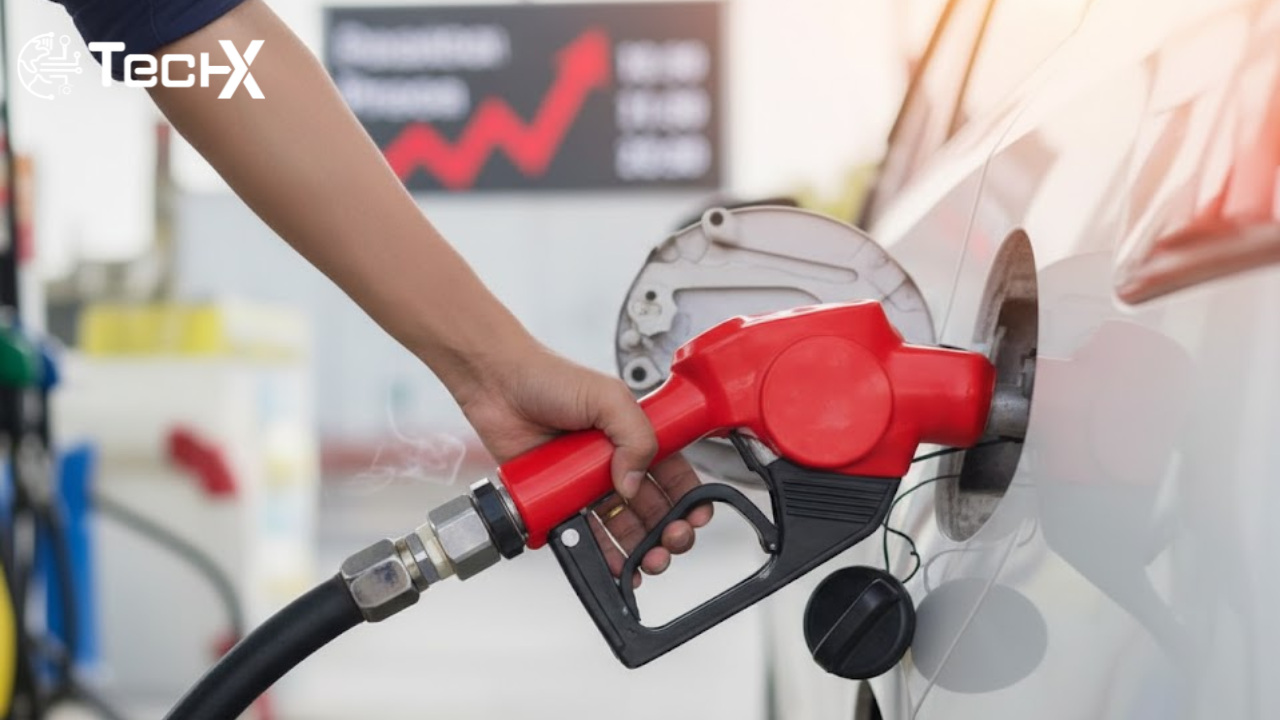
The government of Pakistan is set to announce revised petroleum prices effective from 1 February 2026. According to sources, petrol prices may see a marginal reduction of up to 36 paisa per litre, while other petroleum products are expected to become more expensive. The Oil and Gas Regulatory Authority (OGRA) has finalized the initial calculations, which will be sent to the Petroleum Division for approval.
Petrol Prices Expected to Slightly Decrease
Petrol, which has remained steady in the last fortnight review, is likely to see a minor reduction. The small decrease reflects the government’s assessment of domestic fuel trends and market conditions. While the reduction is modest, it indicates efforts to provide some relief to consumers.
Diesel and Other Petroleum Products Likely to Increase
High-speed diesel (HSD) is expected to rise by up to Rs 9.47 per litre, making it costlier for transport and industrial sectors. Similarly, light diesel oil (LDO) may see an increase of up to Rs 6.95 per litre, while kerosene oil could become more expensive by Rs 3.69 per litre. These increases are attributed to market factors, supply constraints, and international fuel price movements.
Process of Price Approval
The revised pricing structure has been finalized by OGRA and will be forwarded to the Petroleum Division on 31 January 2026. Following the Prime Minister’s approval, the new rates will be officially announced and will remain effective until 15 February 2026.
Previous Fortnight Review
In the last fortnight, the federal government decided to keep petrol and diesel prices unchanged. Officials said the decision was made after reviewing market trends, supply-demand conditions, and overall fuel consumption. This approach shows the government’s effort to maintain stability in fuel prices amid fluctuating global oil rates.
Conclusion
For February 2026, petrol users may benefit from a very small reduction, while diesel, LDO, and kerosene consumers should expect price increases. The final rates will be implemented after official approval, reflecting careful consideration of both domestic market conditions and global fuel prices. Consumers are advised to stay updated through official notifications from the Petroleum Division.